What happens when you call us for service
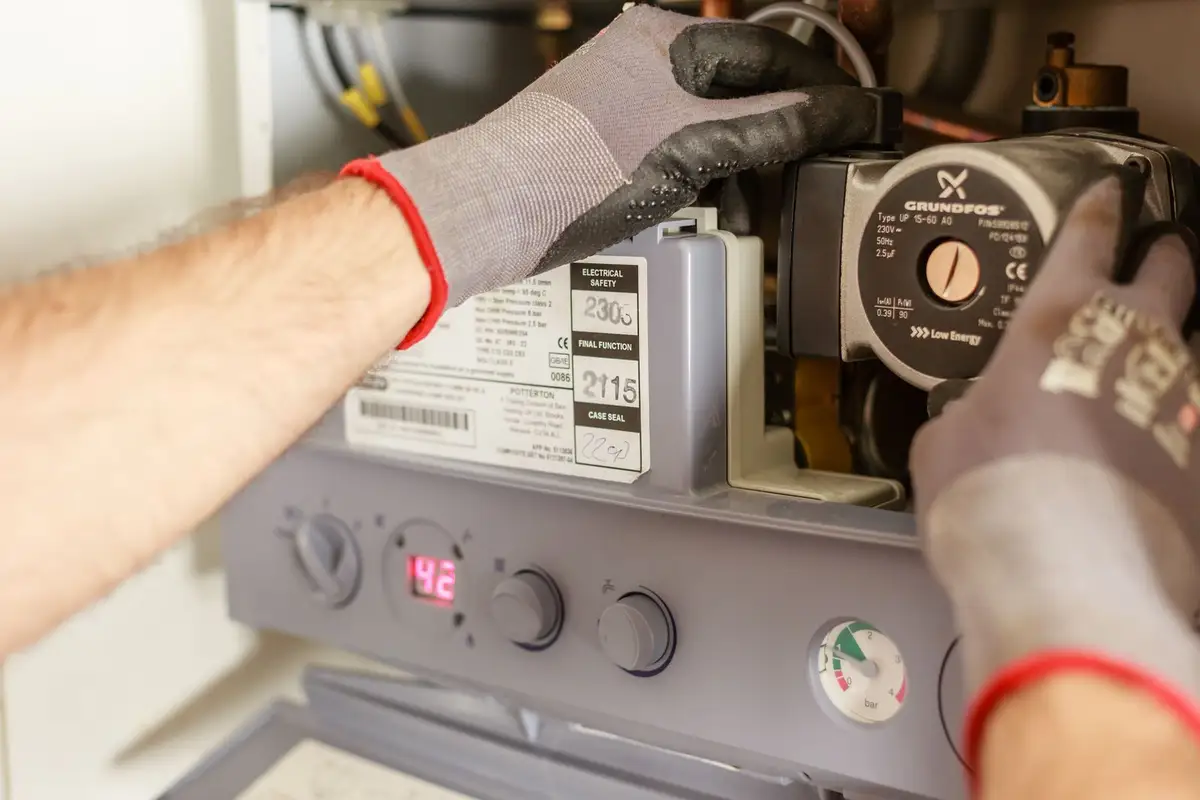
From your call to the engineer at the pump: how our 48-hour service works, and what to have ready when they arrive.
Dealer enquiries open for Tamil Nadu, Kerala and Karnataka
Plot 22, SIDCO Industrial Estate, Kurichi, Coimbatore 641021
Mon–Sat · 8.30 am – 5.30 pm
March to May lowers water levels across Tamil Nadu. How to run farm pumps through the dry months without damaging them.

Every year from March, as the dry months set in, water levels in open wells and borewells across western Tamil Nadu begin to fall. By May, many wells are at their lowest. This is also when we see pumps damaged by running dry or struggling against a head they were never chosen for. A few precautions help.
First, check the level. Measure the water depth in an open well every week with a weighted rope. For openwell submersibles, the pump must stay fully under water with at least a metre to spare; when the level gets close, lower the pump on its rope, or reduce running hours so the well can recharge between runs.
Second, watch the delivery. If the flow drops sharply, the pump may be drawing air or sand, or the head may now be beyond its range. A pump running at very low flow heats up and wears its impeller and bearings faster. Running it for shorter periods, with rest between, is better than running it for long hours at low output. Third, protect against dry running. A dry-run sensor in the starter panel, costing a few thousand rupees, stops the pump when the water runs out. It pays for itself the first time it saves a winding.
Finally, plan before next summer. If your well drops below the pump’s reach every year, you may need a pump with more head, a deeper setting, or a different type. Send us the well depth, the summer water level and your crop’s needs, and our engineer will suggest options before the next dry season.
Keep reading
From your call to the engineer at the pump: how our 48-hour service works, and what to have ready when they arrive.
Two numbers decide the pump. Here is how to work them out before you call us.
They look alike in a catalogue, but suit very different wells.