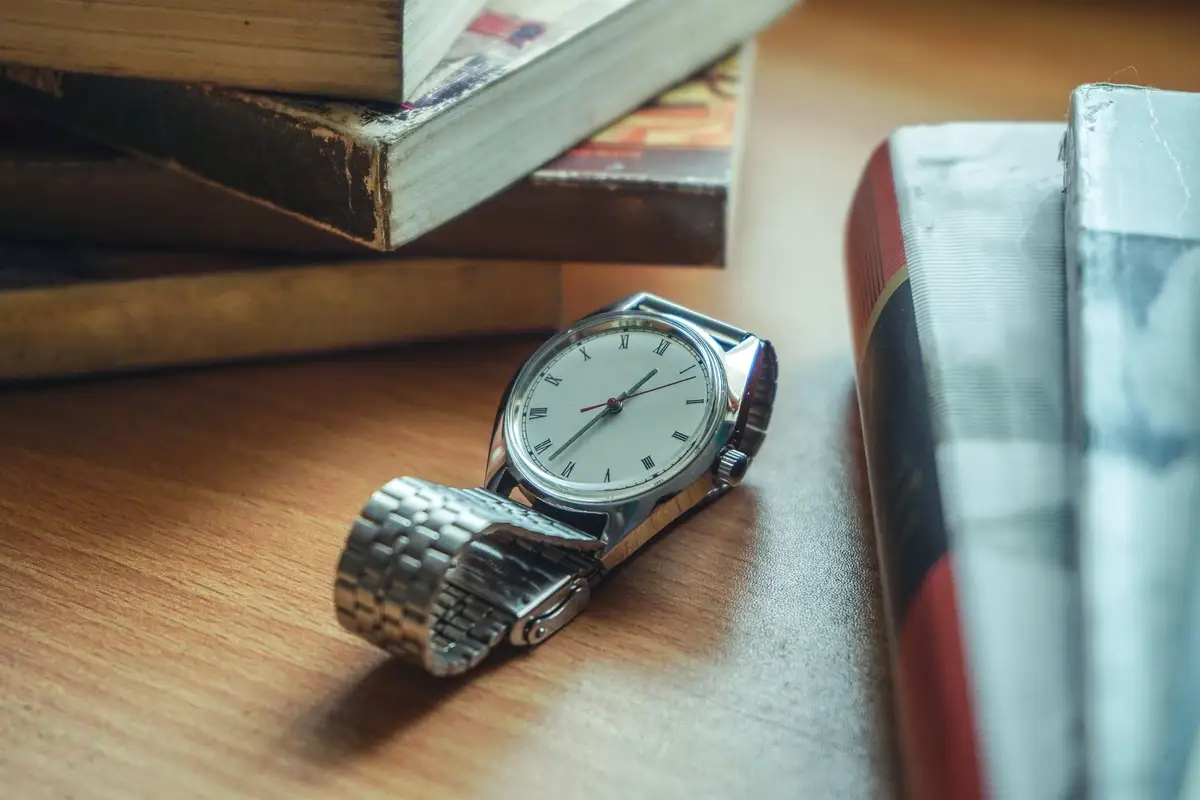
Buying a vintage watch: what to ask before you pay
Redials, replaced parts and service history: the questions that tell you what you are really buying.
Watchmakers in Fort since 1958 · Free battery and strap fitting for life
27 Perin Nariman Street, Fort, Mumbai 400001
Mon–Sat · 10.30 am – 7.30 pm · Sun closed
Case diameter, lug-to-lug length and thickness, and a two-minute way to measure your wrist at home.
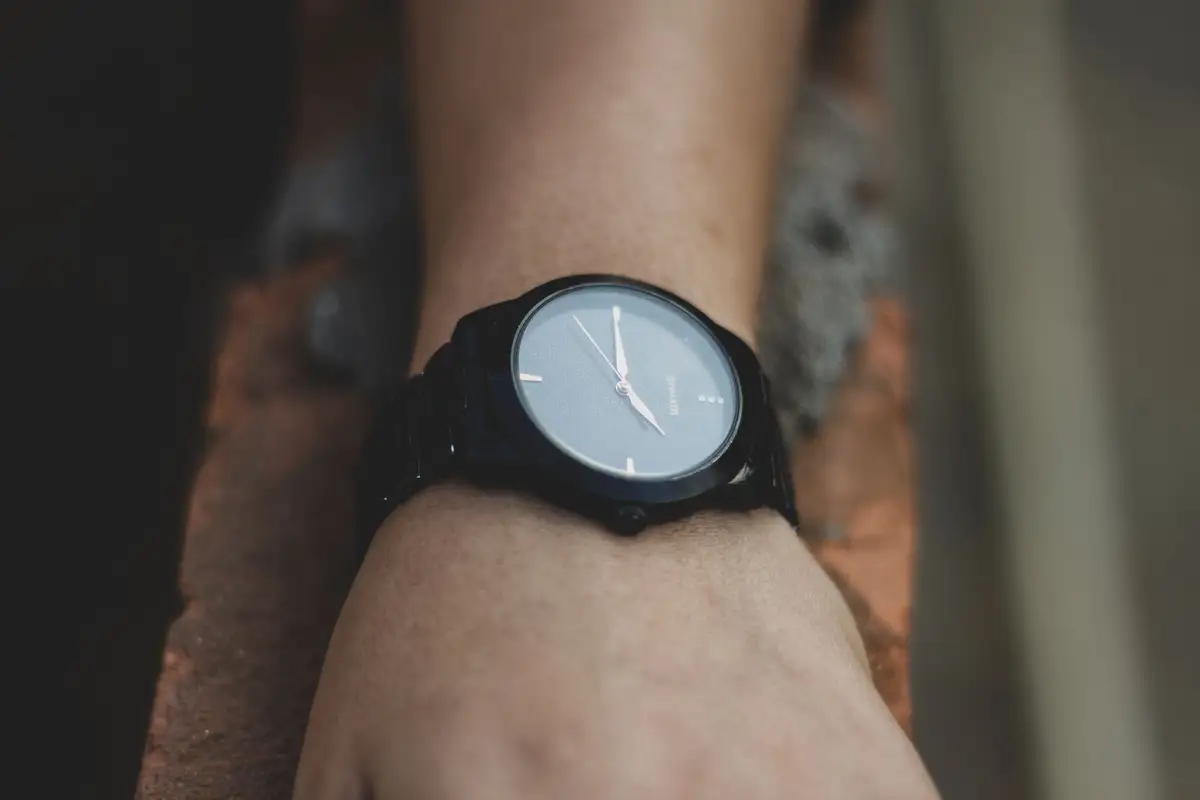
Most people choose a watch by its case diameter, the number in millimetres printed on every label. It matters, but it is not the whole story. What decides whether a watch looks right is the lug-to-lug length: the distance from the tip of the top lugs to the tip of the bottom ones. If the lugs hang over the edges of your wrist, the watch is too big, whatever its diameter.
Measure your wrist with a strip of paper wrapped just below the wrist bone, mark where it meets and lay it on a ruler. As a rough guide, a wrist of 15 to 16.5 cm suits a case of 34 to 38 mm, with lugs no longer than 44 mm. A wrist of 17 to 18.5 cm suits 38 to 41 mm. Above 19 cm, most sizes will sit well, and you can choose by taste.
Thickness matters as much for comfort. A dress watch under 9 mm slides under a shirt cuff; a diving watch of 13 mm or more will catch on it. If you wear full sleeves to the office every day, try the watch on with the shirt you wear most.
On a bracelet, the clasp should close with room for one finger under it. Our 39 mm blue automatic, for instance, measures 46 mm lug to lug, and sits well on wrists from about 16.5 cm. Come to Fort and try three or four sizes side by side; the mirror usually decides in a minute.
Keep reading
Redials, replaced parts and service history: the questions that tell you what you are really buying.
From the groom’s watch to the trousseau gift, how families in Mumbai choose watches between November and February.
Battery, strap, gasket, glass and full service: our usual prices, and why some repairs cost more.