How we price your old appliance in an exchange
Age, condition, size and whether it works: what our team looks at in your WhatsApp photo and how the price is set.
Free delivery and installation in Madurai · Old appliance exchange on every large order
72 Town Hall Road, Madurai 625001
Mon–Sun · 9.30 am – 9 pm
What inverter means in a fridge, AC or washer, what it saves and the common worry about repair costs.
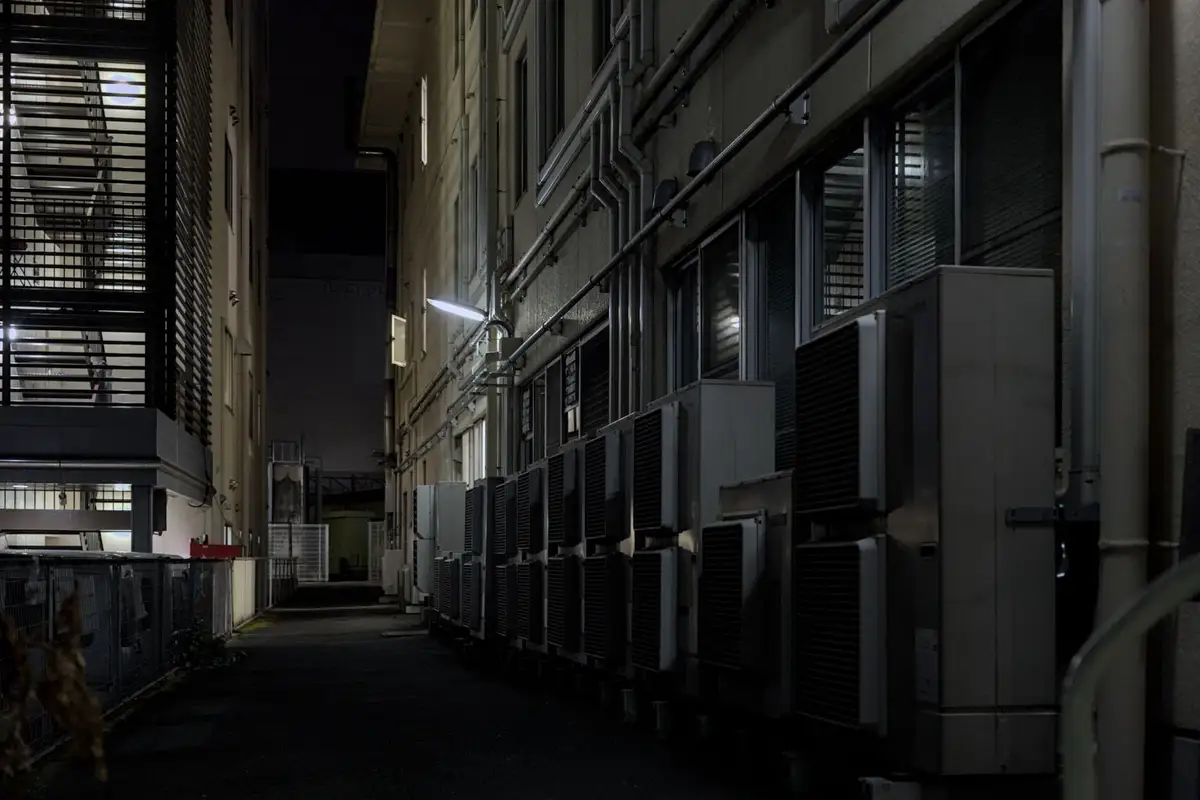
Almost every AC, refrigerator and washing machine on our floor now carries the word inverter. Customers ask whether it is a real difference or only a label, and whether inverter appliances are expensive to repair. Here is a plain answer.
An ordinary compressor or motor runs at one speed. It switches fully on, runs until the room is cool or the fridge is cold, then switches off, and repeats. An inverter compressor or motor changes its speed. Once the room is cool, it slows down and keeps running gently instead of stopping and starting. That uses less power, keeps the temperature steadier and is quieter, especially at night.
The saving is real when the appliance runs for long hours. For an AC used every night in a Madurai summer, an inverter model typically uses 25 to 35% less electricity than a fixed-speed one of the same size. For a fridge, which runs all day, the saving is smaller but adds up over ten years. For a washing machine, an inverter motor is mainly quieter and smoother, with a modest power saving.
The worry about repairs is partly true. Inverter appliances have an electronic control board, and if that fails outside warranty, it costs more to replace than the simple parts of an older machine, often ₹3,000 to ₹7,000. Most boards fail because of voltage problems, so use a good stabiliser for ACs, and ask us about the extended warranty on the board. With that care, the savings usually outweigh the risk.
Keep reading
Age, condition, size and whether it works: what our team looks at in your WhatsApp photo and how the price is set.
For most families of four, 7 kg is enough; here is how to work it out for yours.
Tonnage depends on room area, sunlight and the floor you live on.