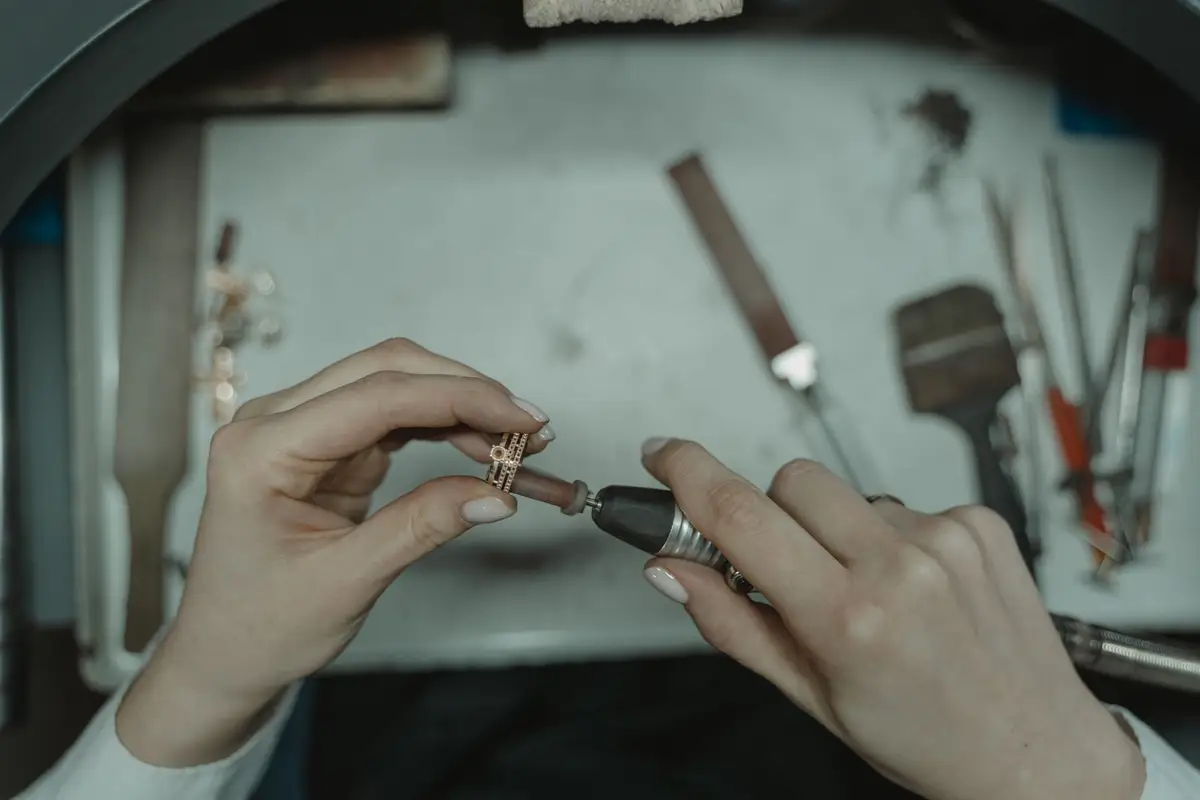
How a solitaire ring is set in our workshop
From a loose stone in a paper parcel to a finished ring in ten days: the steps our four setters follow.
Every stone shown under a loupe before you pay · Natural and lab-grown, clearly labelled
14 Ghod Dod Road, Athwalines, Surat 395007
Mon–Sat · 11 am – 8 pm · Sun by appointment
The same carat weight can look bigger or smaller depending on shape. Here is what each shape gives you and costs.
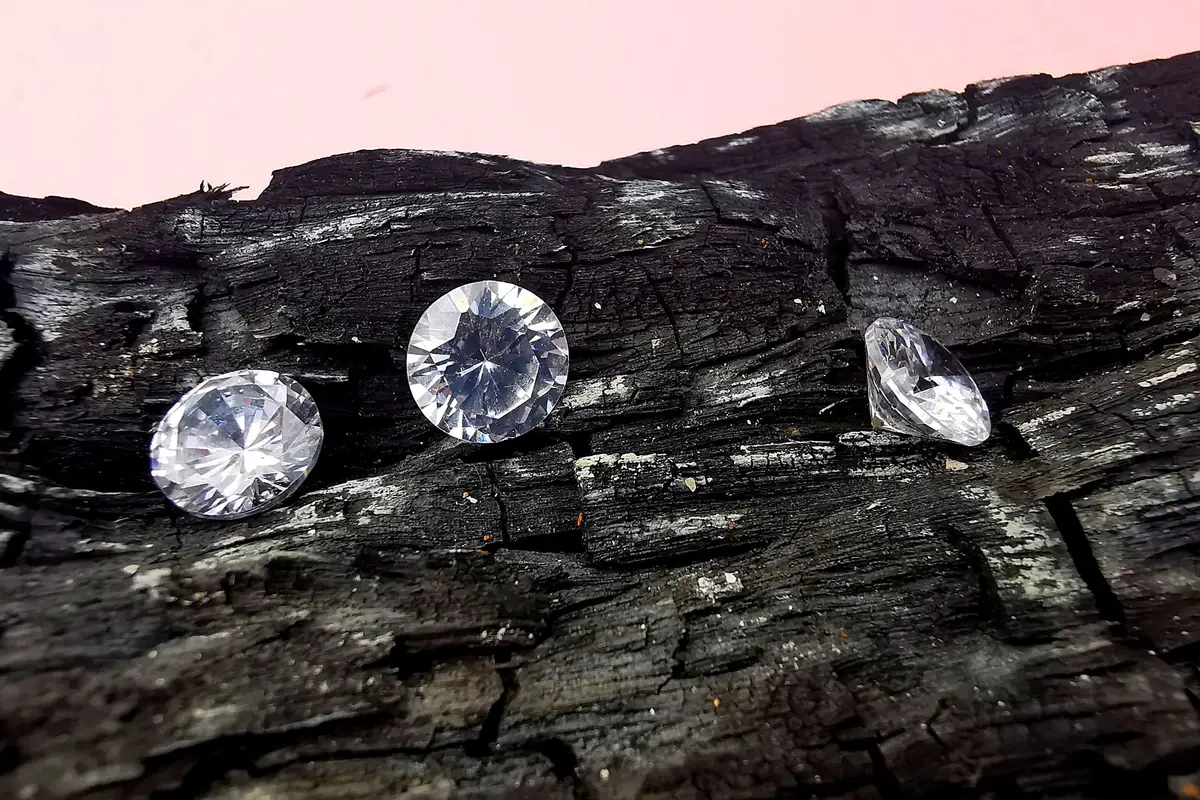
Most people walk in asking for a round diamond, because it is the shape they have seen most often. Round brilliants do return the most light, but they are also the most expensive per carat, because cutting one from a rough crystal wastes the most material. Other shapes can give you a larger-looking stone for the same budget.
An oval of 0.70 ct looks about the size of a 0.80 ct round from above, because it is longer and shallower. It flatters the finger by making it look slimmer, and costs roughly 15 to 20 per cent less than a round of the same weight and grade. The one thing to check is the bow-tie, a dark band across the middle that some ovals show. Look at it face-up in daylight before you choose.
A pear shape, like the 1.00 ct lab-grown stone in our halo ring, has the same advantage of length and adds a point that must be protected by a V-shaped prong. Cushion cuts are squarish with rounded corners and a softer, chunkier sparkle; they suit halo settings and vintage-style rings, and usually cost 20 to 25 per cent less than rounds.
Our advice is to decide on a budget first, then ask to see the same weight in two or three shapes side by side. Most people know within a minute which one they like. Shape is personal taste far more than value, and no shape is a mistake if the cut is good.
Keep reading
From a loose stone in a paper parcel to a finished ring in ten days: the steps our four setters follow.
Mahidharpura, Varachha and Katargam: where Surat’s diamonds are traded and cut, and what a visitor can see.
What a diamond is worth after you buy it, why resale is lower than you expect, and how our exchange works.