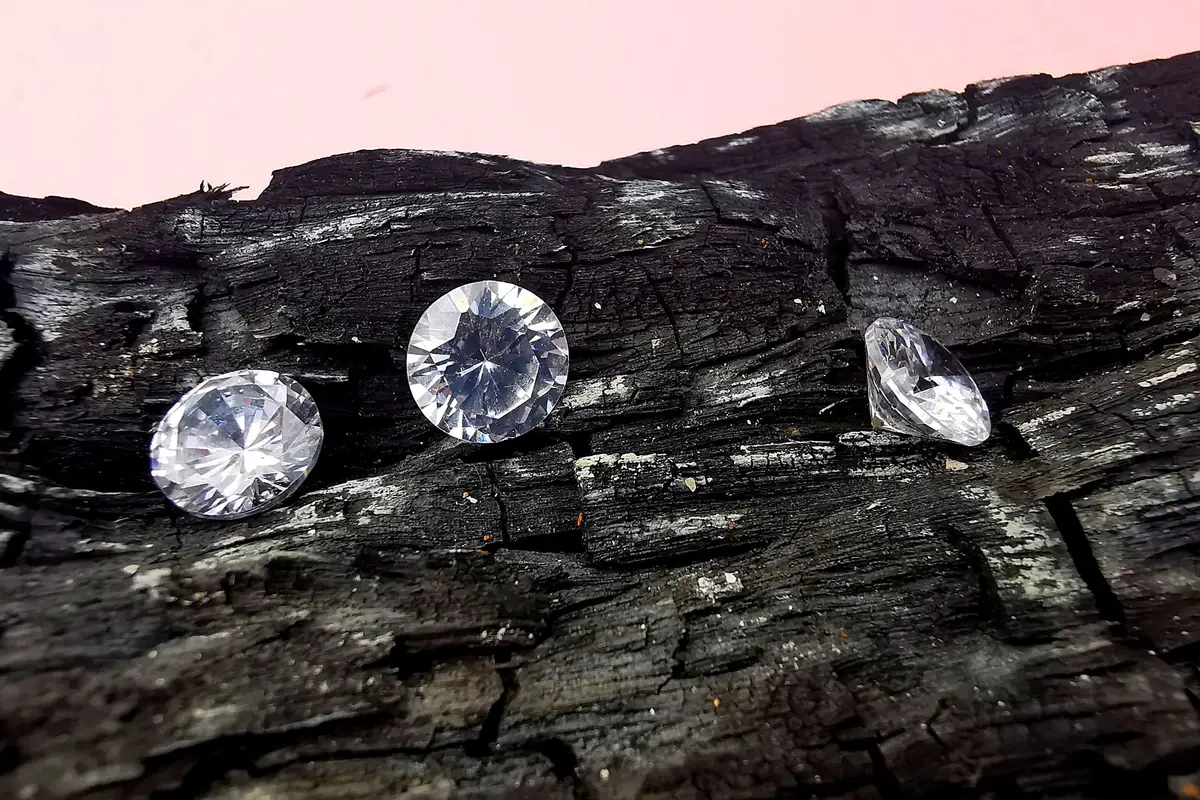
Round, oval, pear or cushion: how diamond shapes compare
The same carat weight can look bigger or smaller depending on shape. Here is what each shape gives you and costs.
Every stone shown under a loupe before you pay · Natural and lab-grown, clearly labelled
14 Ghod Dod Road, Athwalines, Surat 395007
Mon–Sat · 11 am – 8 pm · Sun by appointment
Diamonds are hard, but settings are not. A little care keeps both safe for decades.
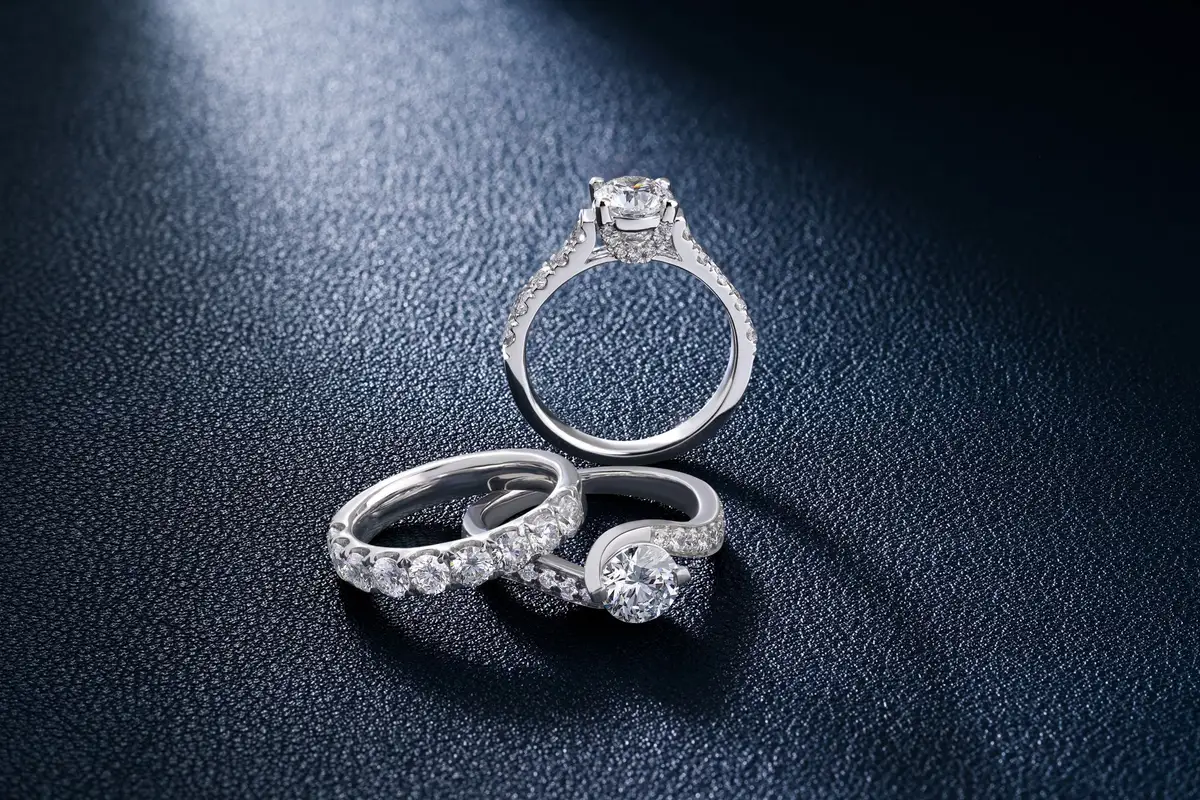
A diamond is the hardest natural material, but it can still chip if struck at the wrong angle, and the gold that holds it is soft by comparison. Most lost stones are lost because a prong has worn or bent.
Take rings off for the gym, gardening and heavy cleaning. Store each piece separately in a soft pouch, so diamonds do not scratch other jewellery or each other.
Diamonds attract oil, which makes them look dull. Once a month, soak your ring in warm water with a drop of mild dishwashing liquid for twenty minutes, then brush gently under the stone with a soft toothbrush. Rinse and dry with a lint-free cloth.
Once a year, bring your jewellery in for a free check. We look at every prong under magnification, tighten any that have loosened and steam-clean the piece. It takes about fifteen minutes and is the best protection against losing a stone.
Keep reading
The same carat weight can look bigger or smaller depending on shape. Here is what each shape gives you and costs.
From a loose stone in a paper parcel to a finished ring in ten days: the steps our four setters follow.
Mahidharpura, Varachha and Katargam: where Surat’s diamonds are traded and cut, and what a visitor can see.