Ragi through the day
Five ways to eat ragi, from morning malt to a dinner of ragi mudde.
Fresh millet batter delivered in Mysuru every morning · Free shipping across India above ₹999
1544, 2nd Main Road, Saraswathipuram, Mysuru 570009
Mon–Sat · 8 am – 8 pm · Sun 8 am – 1 pm
What polishing removes, and how to tell the difference in your kitchen.
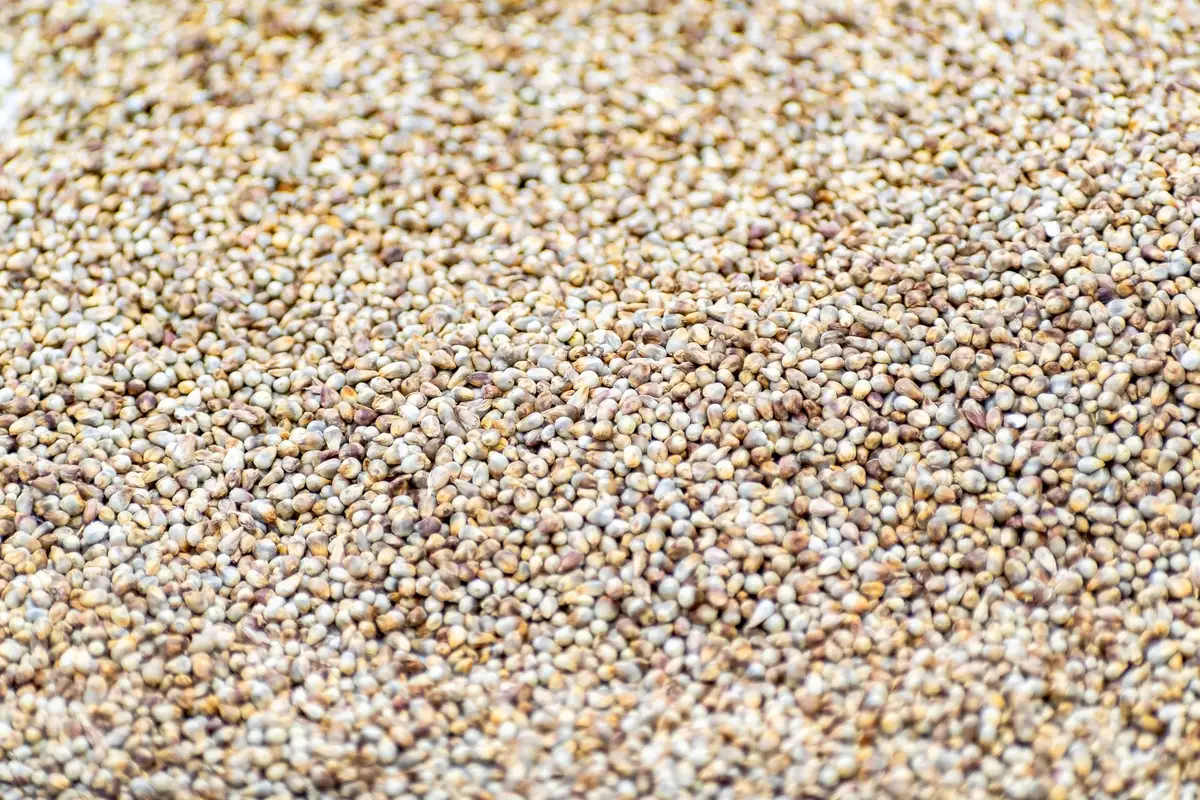
Most rice in India is polished until it is white, and many millets now are too. Polished millets look cleaner and cook faster, which is why mills prefer them. But polishing removes the bran, the outer layer that carries much of the fibre and minerals.
You can tell the difference by eye. Unpolished foxtail millet is a pale golden yellow with a slight dullness. Polished foxtail millet is almost white and shiny. Unpolished kodo millet is a light brown; polished kodo is cream.
In the kitchen, unpolished millets take a few minutes longer to cook and are a little chewier. Soaking for an hour first makes them softer, and they keep you full for longer.
We hull our millets on a small stone huller that removes the inedible husk but leaves the bran. It is slower than a modern polisher, and the grains keep for about four months instead of a year, which is why every pack carries the harvest month. Buy in small amounts, store in an airtight jar, and finish a pack within a few months.
Keep reading
Five ways to eat ragi, from morning malt to a dinner of ragi mudde.
Water ratios, times and the small changes that give you fluffy grains or a soft, rice-like texture.
Soaking at noon, grinding at night and vans out by 6.30 am: how fresh kodo millet dosa batter reaches Mysuru homes.