When your crate arrives: unpacking a bronze
What comes in the crate, how to open it safely, and what to check before you sign for the delivery.
Every bronze cast by lost-wax in Swamimalai · Insured shipping worldwide
18 Sannadhi Street, Swamimalai, Kumbakonam 612302
Mon–Sat · 9 am – 6 pm · foundry by appointment
Weight tells you about alloy and casting, but not everything. Here is how to read the weight on our bills.
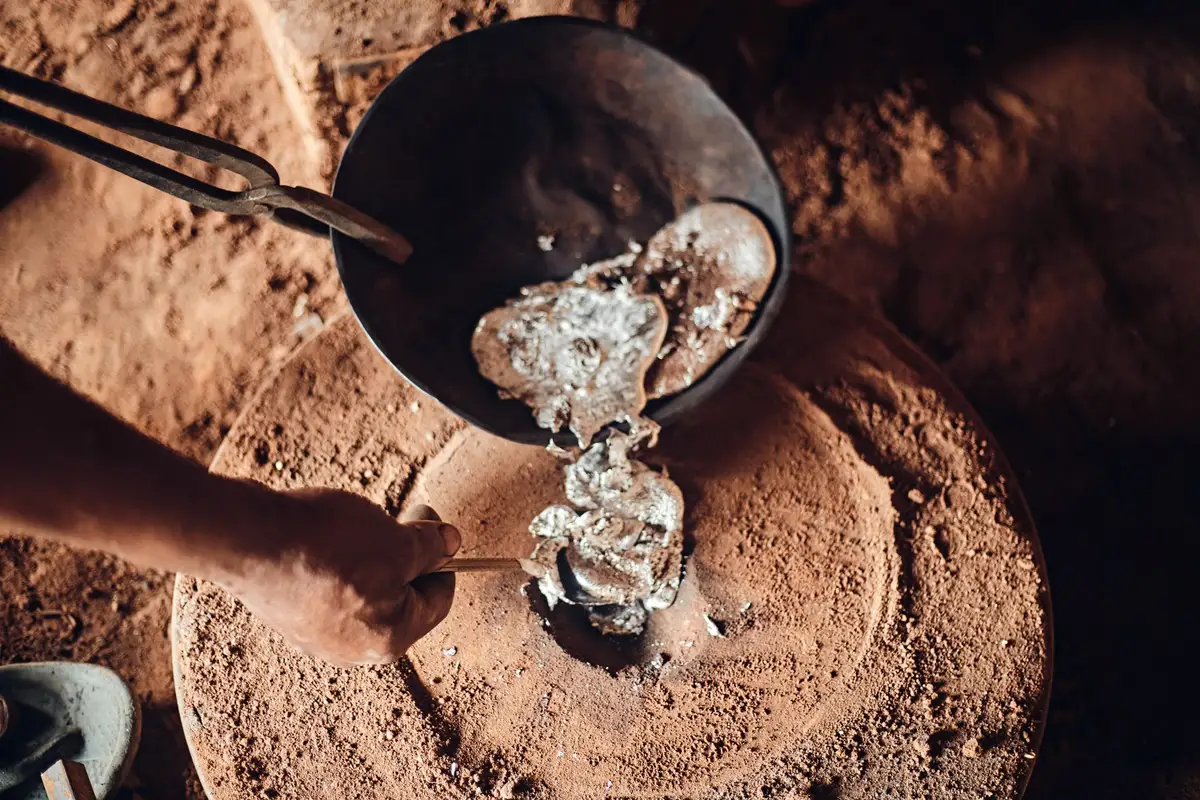
One of the most common things customers do in our shop is lift a bronze and judge it by its weight. A heavy piece feels solid and valuable, and a light one feels cheap. Weight does tell you something, but not always what people think.
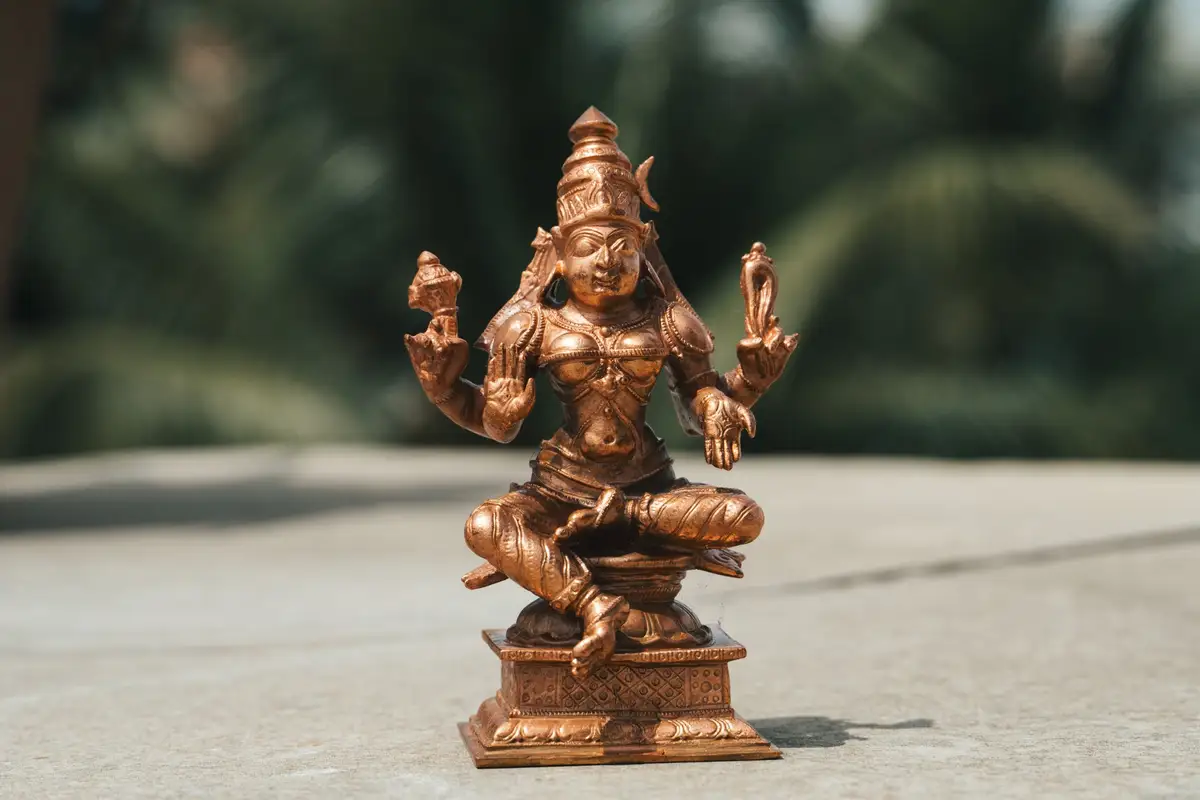
A solid cast bronze is heavier than a hollow one of the same size, and most small icons, up to about 12 inches, should be solid. Our 5 inch seated Lakshmi in copper weighs 650 g. A piece of the same size that weighs 250 g has probably been cast hollow or with a filler of plaster or lac inside, which is common in cheap souvenir pieces and makes them unsuitable for abhishekam.
For larger pieces, though, more weight is not always better. Temple-sized bronzes above 24 inches are often cast with a hollow core in the body, by design, so the metal cools evenly and does not crack. A good sthapathi chooses where to keep the metal thick, such as the base and feet, and where to save it. A badly cast heavy piece, with thick metal everywhere, is more likely to have shrinkage cracks hidden inside.
That is why every bill from us states the exact weight, the alloy and whether the piece is solid or has a cored body. If you are comparing our pieces with another shop’s, ask for the same three facts. A seller who knows the metal will answer without hesitation.
Keep reading
What comes in the crate, how to open it safely, and what to check before you sign for the delivery.
Seven stages, from beeswax to the final chase, and why the mould is broken.
A simple way to match a bronze to a shelf, a niche or a floor.