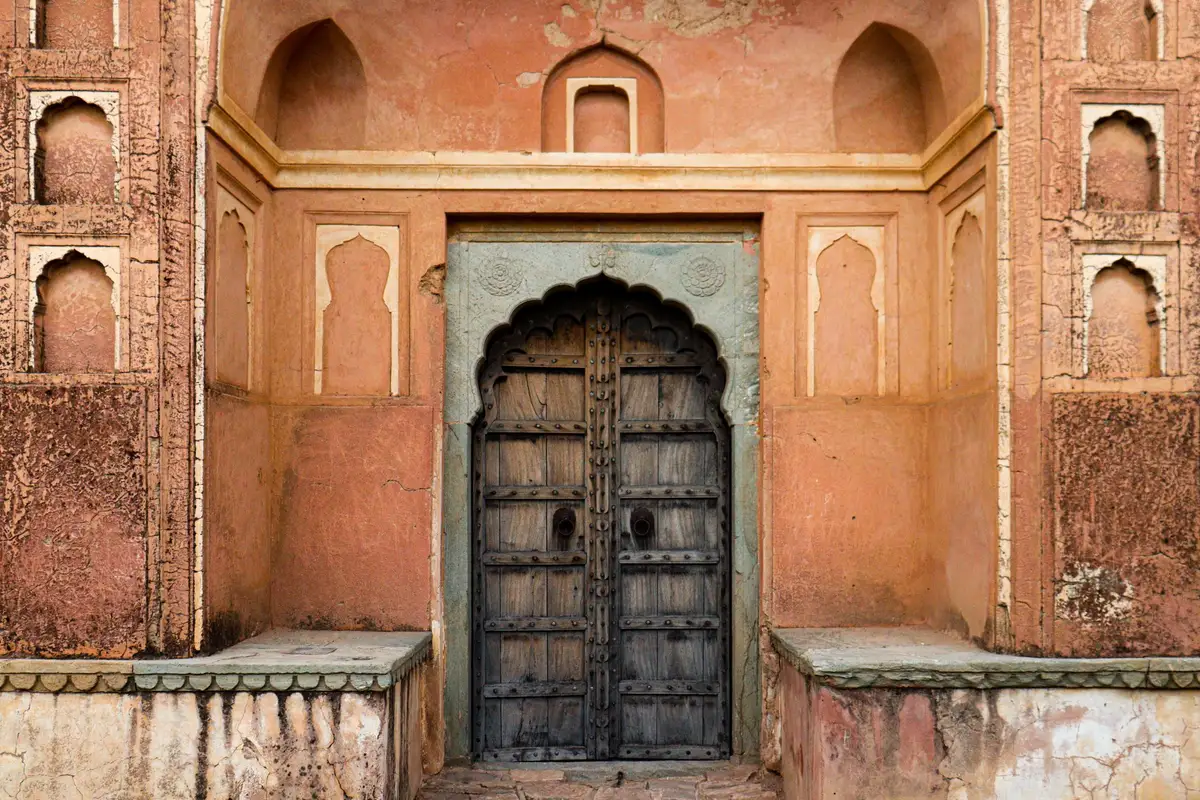
What the pols of old Ahmedabad taught us about wood
Carved brackets, deep jharokhas and shaded courtyards: the old city houses that shape how we design our cabinets and chairs.
Free delivery and installation in Ahmedabad and Gandhinagar · Ships across India
9 Judges Bungalow Road, Bodakdev, Ahmedabad 380054
Tue–Sun · 11 am – 9 pm · Closed Mondays
Why some LED bulbs feel harsh and others warm, and how to read colour temperature and CRI on the box.
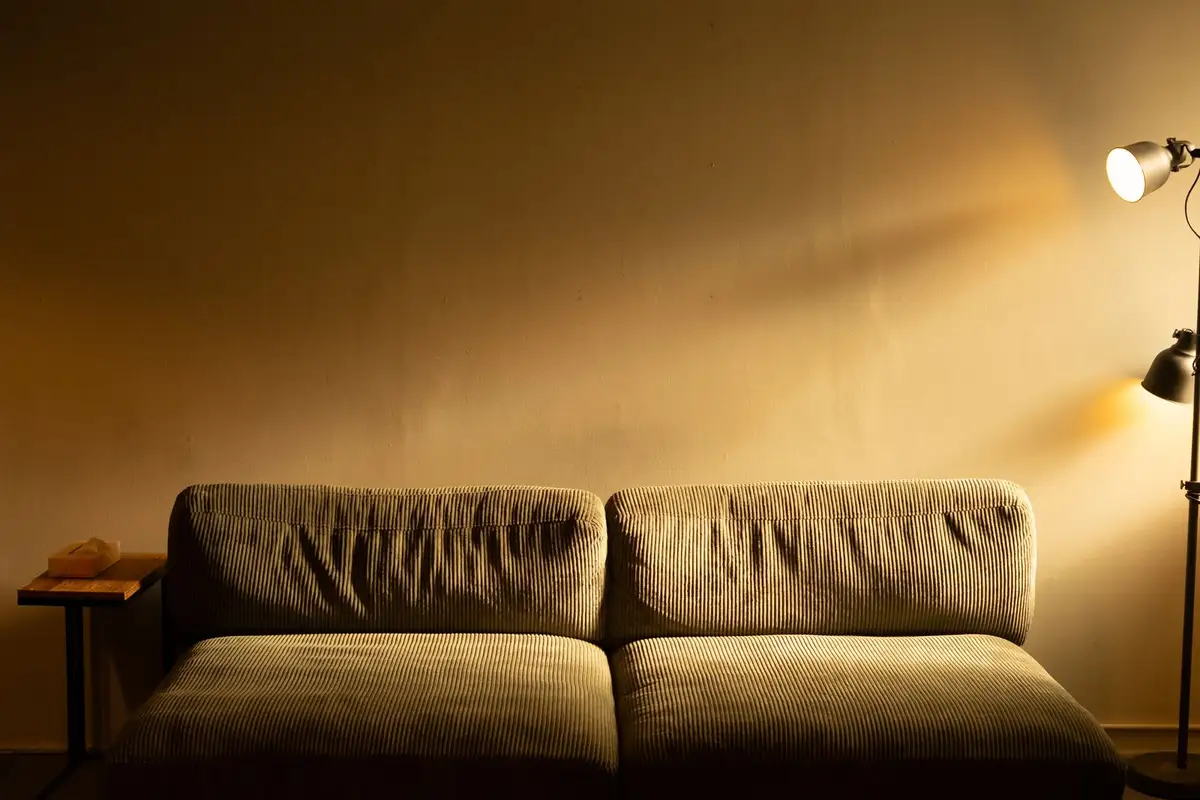
When customers tell us they dislike LED lighting, they usually mean the cold, bluish white of the tube lights and panels in many Indian homes. LEDs do not have to look like that. Two numbers on the box decide how a bulb feels.
The first is colour temperature, measured in kelvin. A 6500 K bulb, often sold as “cool daylight”, gives a blue-white light that suits offices and kitchens where you need to see detail. A 4000 K bulb is neutral. A 2700 K bulb, often called “warm white”, gives the yellow-white glow of an old filament bulb and makes skin, wood and fabric look warm. Every lamp we sell comes with a 2700 K LED, and we suggest the same for living rooms and bedrooms.
The second is the colour rendering index, or CRI, a measure from 0 to 100 of how truly a light shows colours. Cheap LEDs often have a CRI of 70 to 80, which makes food look grey and skin look flat. Look for a CRI of 90 or above for rooms where you eat, dress or sit in the evening.
Brightness is measured in lumens, not watts. For a table lamp, 400 to 600 lumens is enough; for a pendant over a table, 800 to 1,000. If you can, fit dimmable bulbs with a compatible dimmer. A warm, dimmable light at half brightness after dinner makes a room feel calmer than any change of furniture.
Keep reading
Carved brackets, deep jharokhas and shaded courtyards: the old city houses that shape how we design our cabinets and chairs.
One ceiling light is never enough. Use three kinds of light at three heights.
Oil the wood twice a year, seal the stone, and wipe spills quickly.