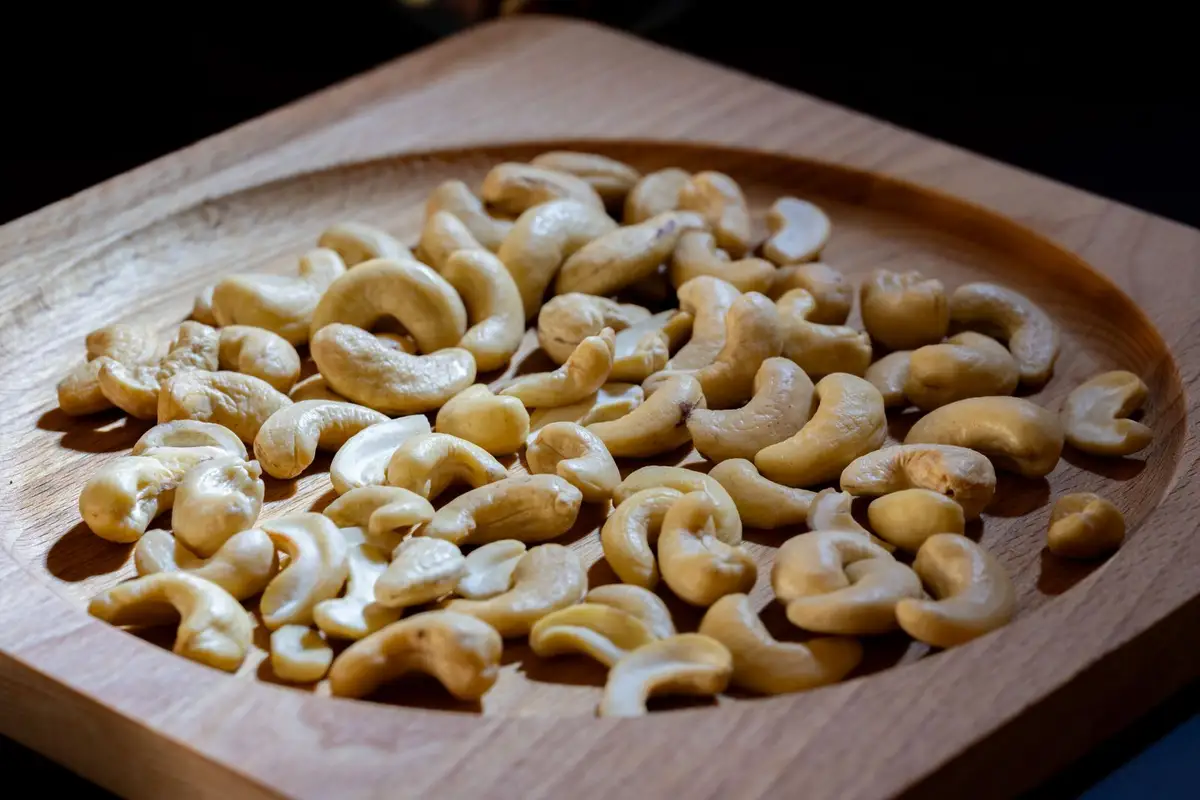
Why a kilo of kaju katli costs what it does
Cashews, sugar, silver leaf and three people’s time: the arithmetic behind our ₹480 box of 250 g.
Diwali gift boxes now open · Corporate orders from 25 boxes
3 Oppanakara Street, Coimbatore 641001
Daily · 7 am – 10 pm
Two styles of Mysore pak are sold in Tamil Nadu. Why they differ, and why customers argue about them.
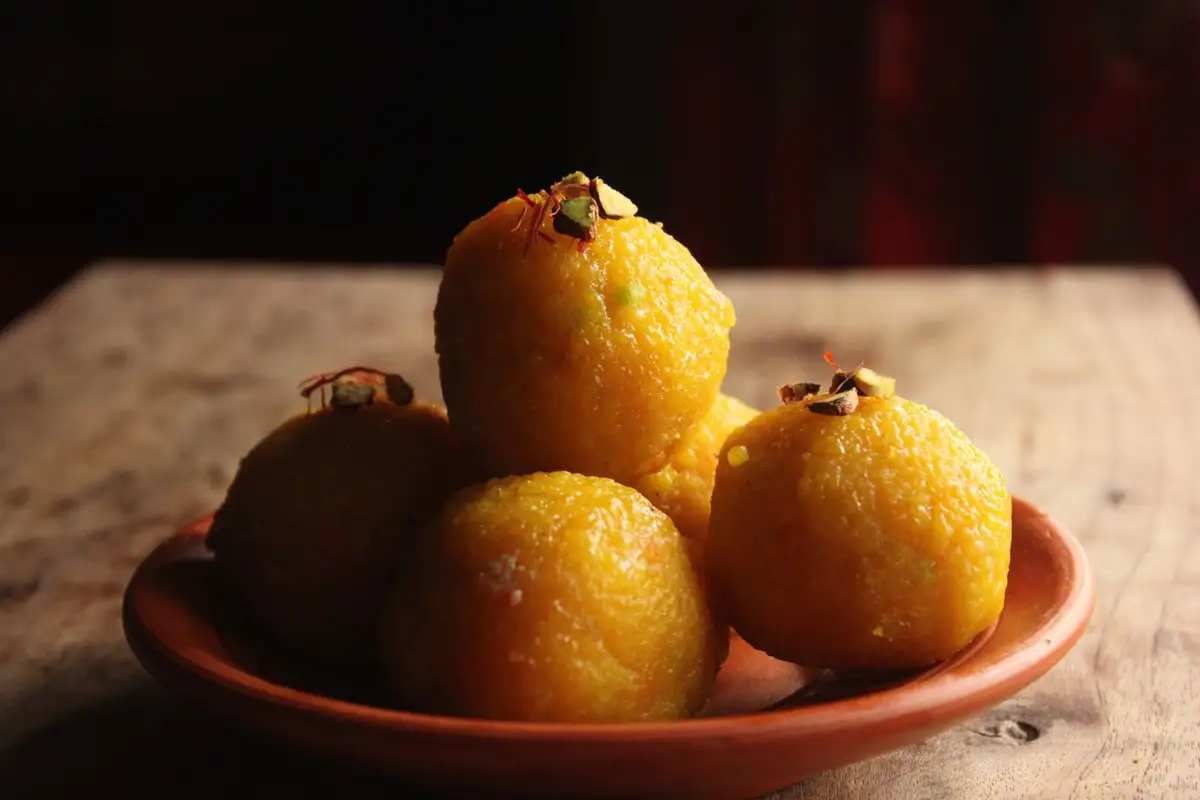
Customers sometimes ask why our Mysore pak is soft and melts in the mouth, when the one they grew up with was hard, golden and full of little holes. Both are real. They are two styles of the same sweet, made with the same three ingredients.
The older style, often called hard or porous Mysore pak, uses less ghee and is cooked until the mixture froths up and sets with a honeycomb of air pockets. It is crunchy, slightly crumbly and keeps well for two weeks or more. Many Karnataka homes still make it this way.
The soft style, which most sweet shops in Coimbatore are known for, uses much more ghee, often equal to the gram flour by weight. The mixture is taken off the fire earlier, before it fully froths, and poured into trays while still glossy. It sets into a dense, fudge-like block that melts on the tongue. It keeps a little less long, about seven to ten days, because of the extra ghee.
Neither is better; it depends on what you remember. We make the soft style every day because that is what our customers ask for, and our head halwai Murugesan learned it that way. On Saturdays we also make a small batch of the hard style, about 15 kg, mainly for older customers and for families from Karnataka. It sells out by noon, so call ahead if you want a box. Bring a child who has only had one style, give them both, and watch the debate begin.
Keep reading
Cashews, sugar, silver leaf and three people’s time: the arithmetic behind our ₹480 box of 250 g.
Urad dal batter, a cloth piping bag and a steady hand: why jangiri is made only after you order it.
Packing, ice gel, transit times and what to do the moment the box reaches you, for first-time online customers.