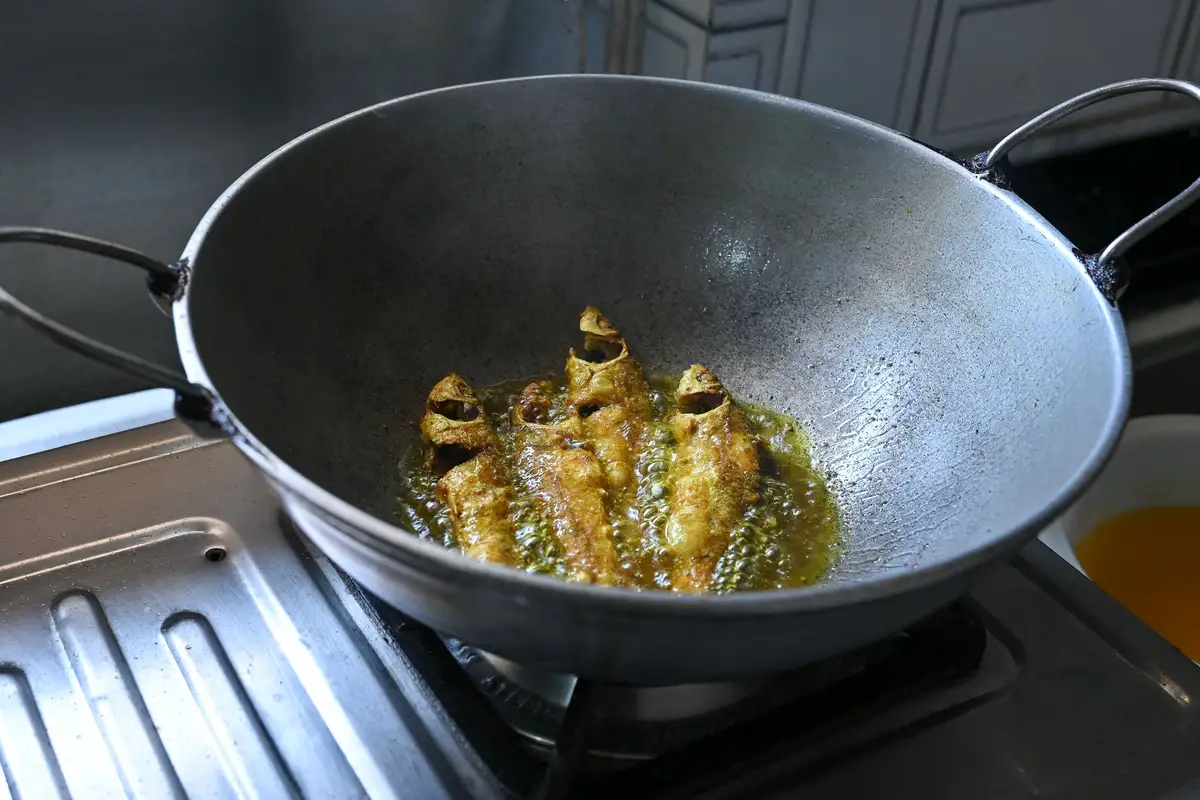
Seasoning a new iron kadai
Ours arrive seasoned, but here is how to keep them that way, or start from scratch.
Every iron vessel seasoned before it ships · Free delivery across India above ₹1,999
41 South Masi Street, Madurai 625001
Mon–Sat · 9.30 am – 9 pm · Sun 10 am – 2 pm
Clay or brass, size, and when to buy: a short guide to the pot at the centre of the harvest festival.
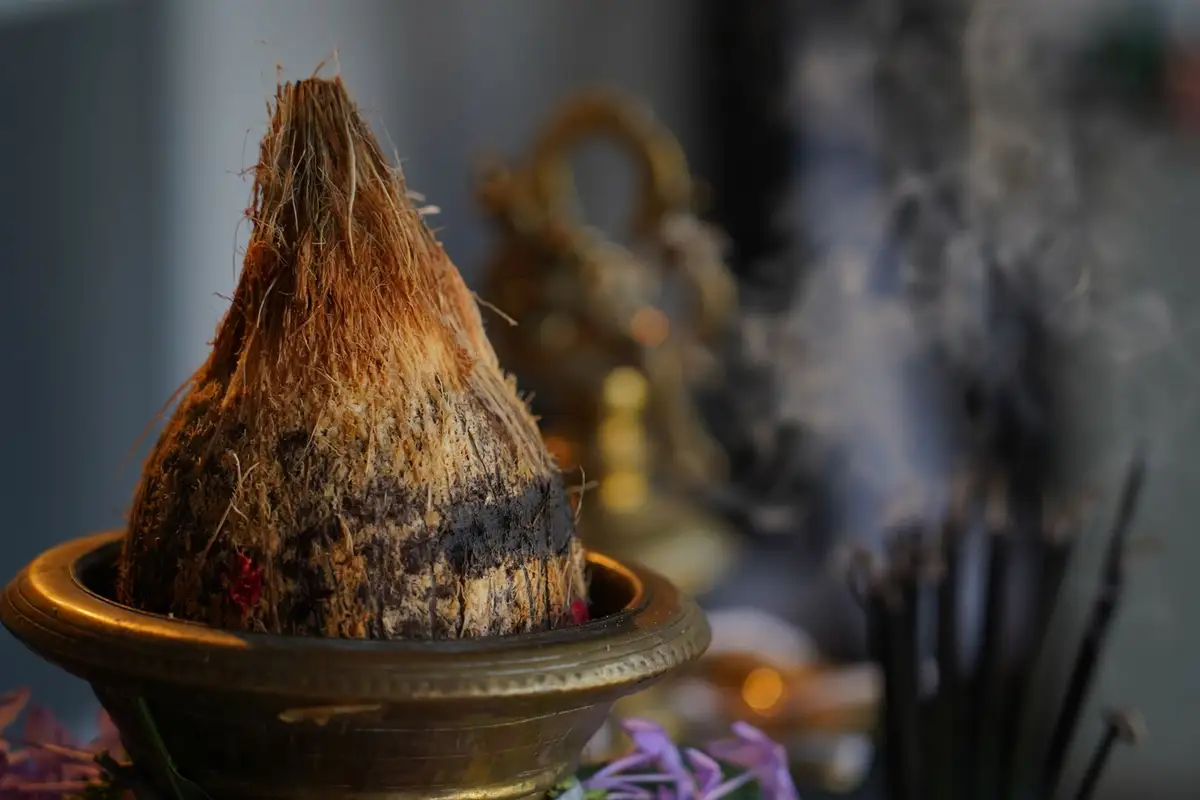
Thai Pongal falls in mid-January, and from the end of December our shop fills with families buying the pot for the festival. On the morning of Pongal, sakkarai pongal is cooked in a new pot, usually outdoors or in the courtyard, and the moment the milk boils over is celebrated with a shout of “Pongalo pongal”. The pot matters to people, so it is worth choosing well.
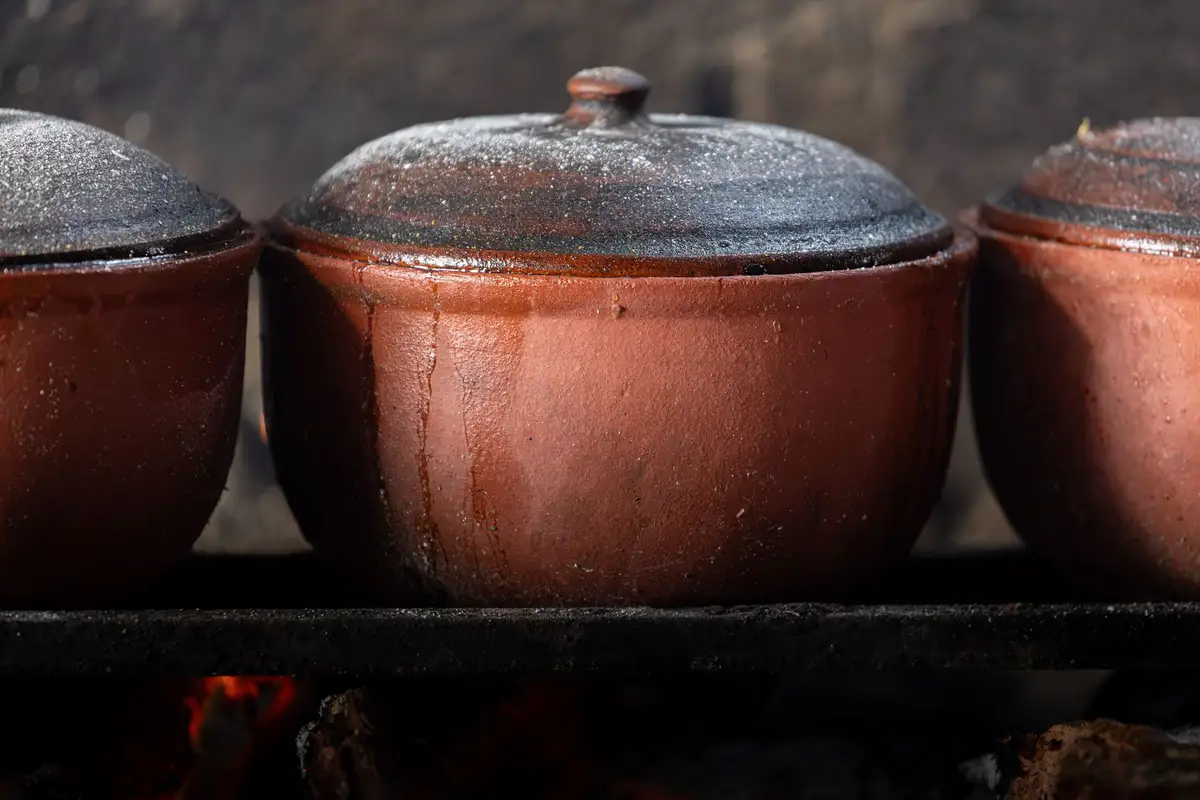
There are two main choices. A new clay pot is the traditional option and costs ₹250 to ₹600, depending on size. Many families decorate it with kolam patterns, turmeric and a string of fresh turmeric leaves tied around the neck. Clay pots for Pongal are made in larger numbers in December, so the choice is best in the first two weeks of January. A brass or bronze pongal pot, ₹2,500 to ₹6,000, is bought once and used every year, and some families prefer it for indoor cooking on gas.
For size, a 2 to 3 litre pot suits a family of four, enough for pongal and for sharing with neighbours. For a joint family or cooking at a temple, look at 5 litres or more. Make sure the pot fits steadily on your stove or on three stones if cooking outdoors.
If you are using clay, soak the new pot overnight two days before Pongal and let it dry, so the first boil goes smoothly. We are open on the Sunday before Pongal, and we ship clay pots across Tamil Nadu until 8 January.
Keep reading
Ours arrive seasoned, but here is how to keep them that way, or start from scratch.
Soaking, slow heat and what not to do.
What the silver lining in a copper pot is, and when to renew it.