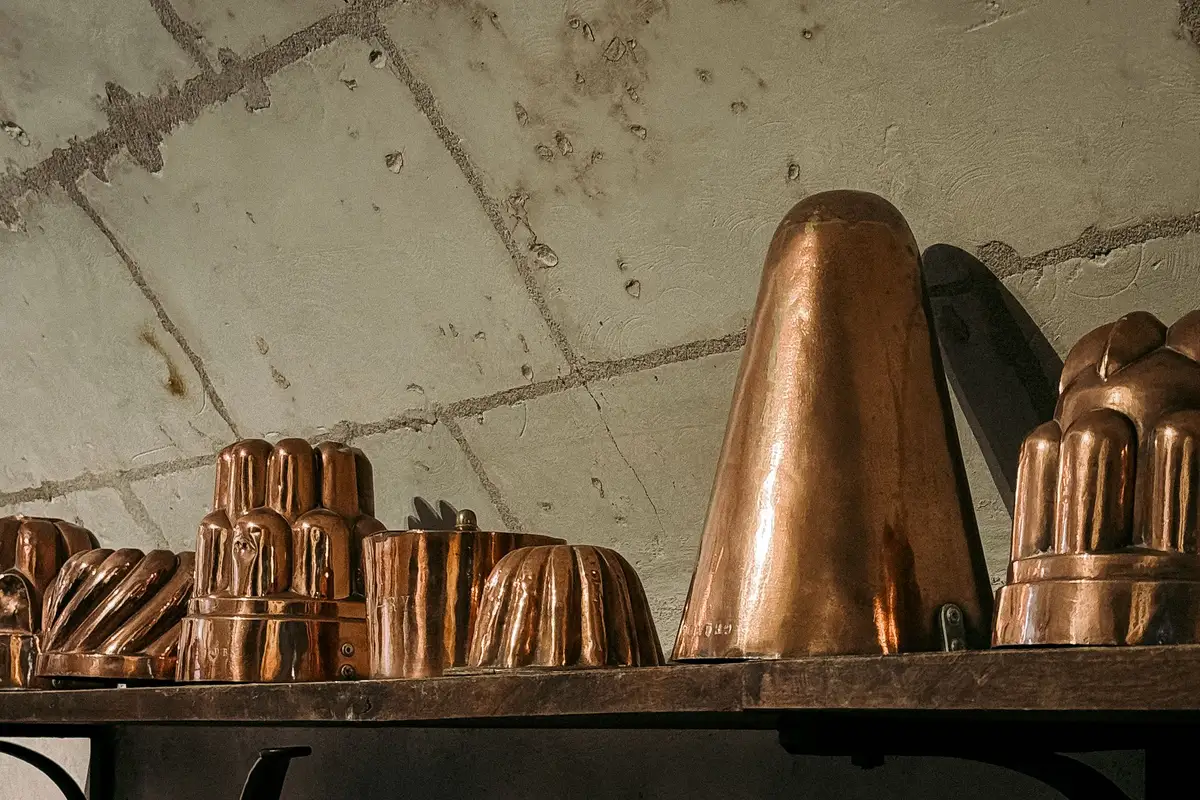
Why your grandmother’s copper needed re-tinning
What the silver lining in a copper pot is, and when to renew it.
Every iron vessel seasoned before it ships · Free delivery across India above ₹1,999
41 South Masi Street, Madurai 625001
Mon–Sat · 9.30 am – 9 pm · Sun 10 am – 2 pm
Soaking, slow heat and what not to do.
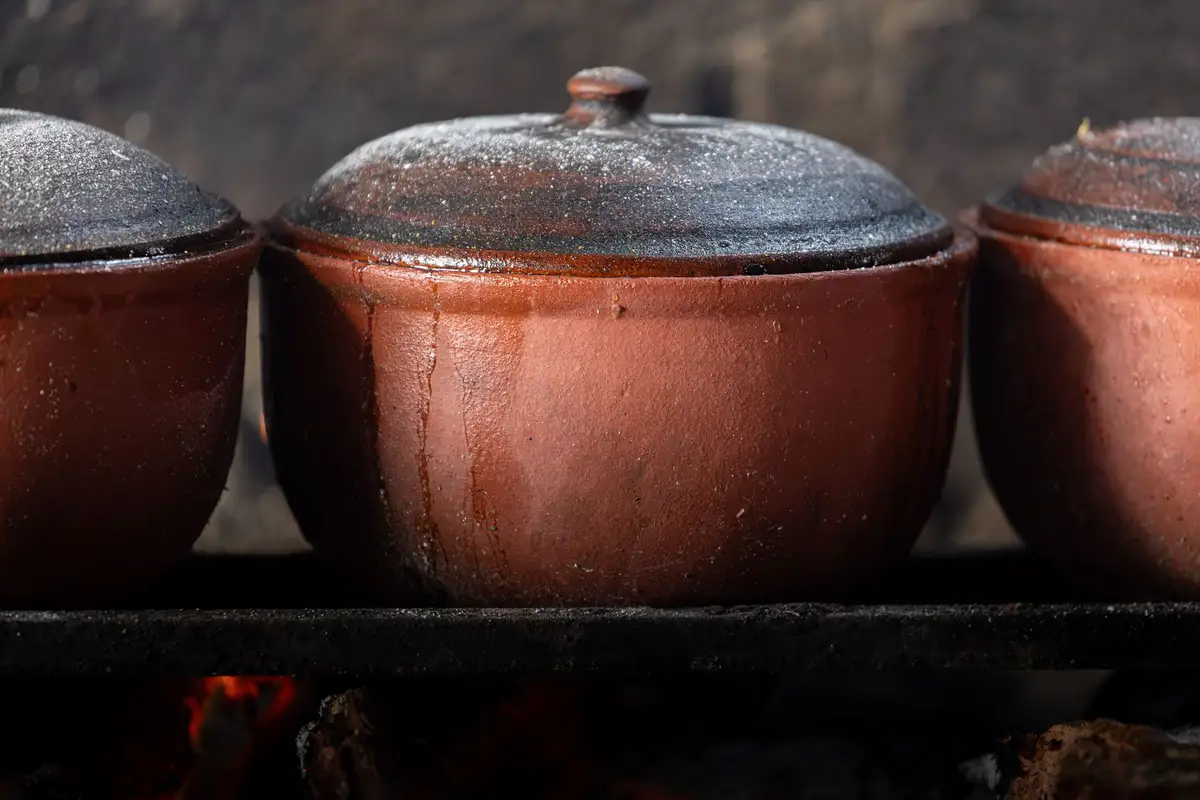
Clay pots have been used in Tamil kitchens for as long as there have been kitchens. Food cooked in clay tastes different: gravies thicken slowly, fish curry keeps its shape, and rice stays soft for hours. But clay needs a different approach from steel.
Before the first use, soak the pot and lid in water overnight. Let it dry, then rub the inside with a little oil and heat it on a low flame with water and a handful of rice flour or rice water for twenty minutes. This seals the pores. Throw the water away.
Always start on a low flame and increase it slowly. Sudden heat on a cold pot is what causes cracks. Use a ring stand on a gas stove, and never place a hot pot on a wet or cold floor.
Wash with warm water and a coconut-fibre scrubber, no soap. Soap soaks into the clay and comes back into your food. If the pot smells, fill it with water and a spoon of salt and boil it. Dry clay pots upside down in the open air, and they will last for years.
Keep reading
What the silver lining in a copper pot is, and when to renew it.
A plain guide to matching the metal or the clay to what you cook most, from rasam to dosa to curd rice.
Heat, a splash of water, onion on a fork and patience: how to make a new iron tawa release a dosa cleanly.