Two slow days in Leh: what to see while you acclimatise
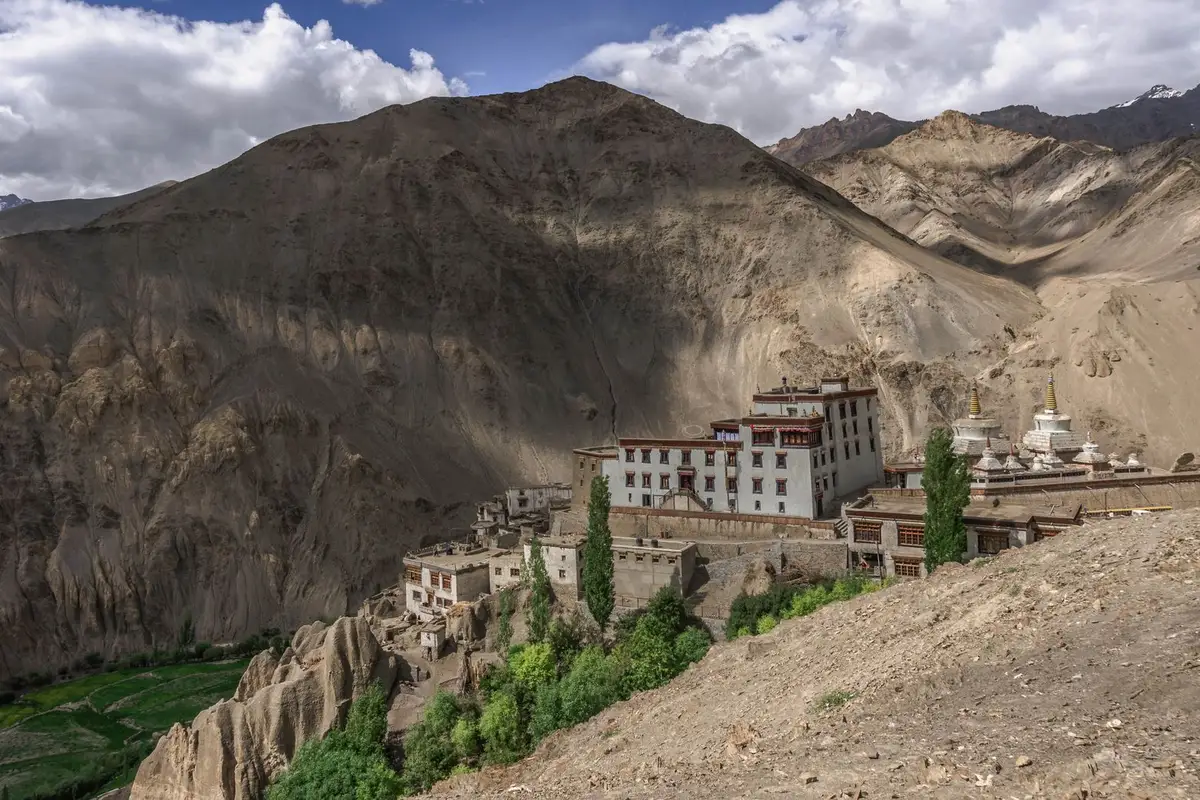
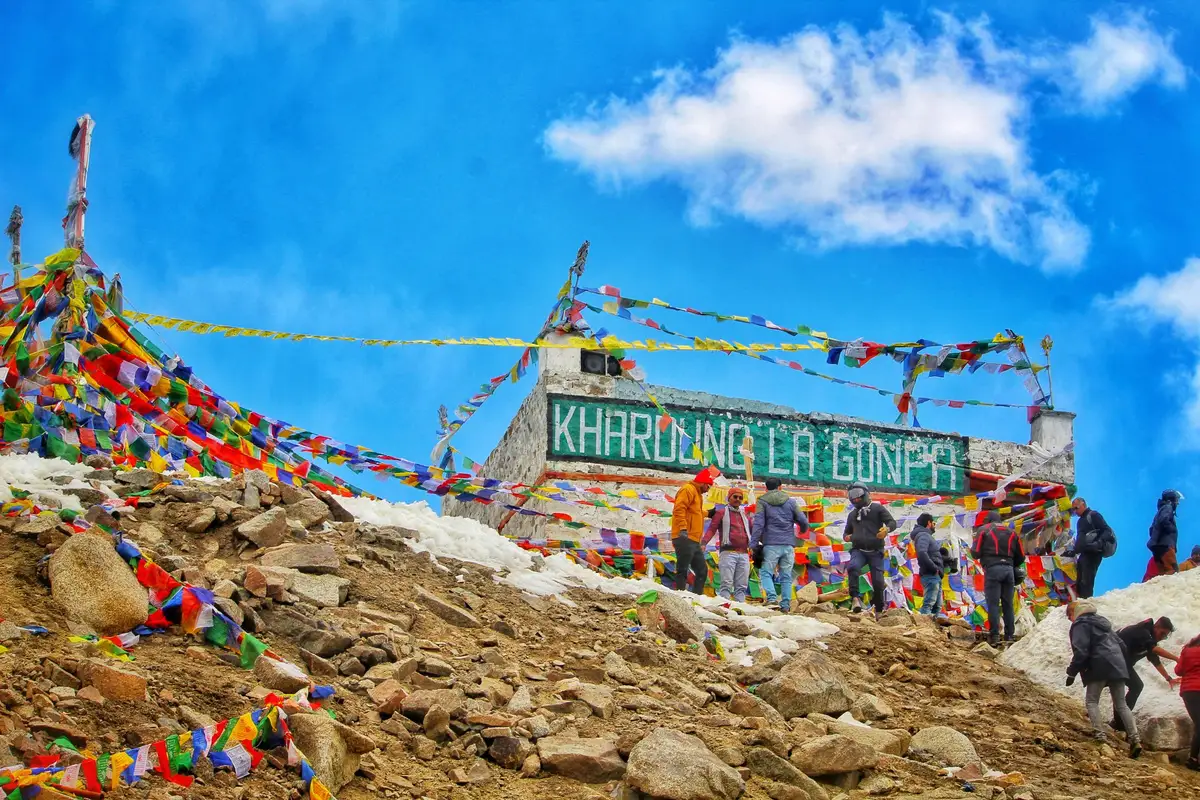
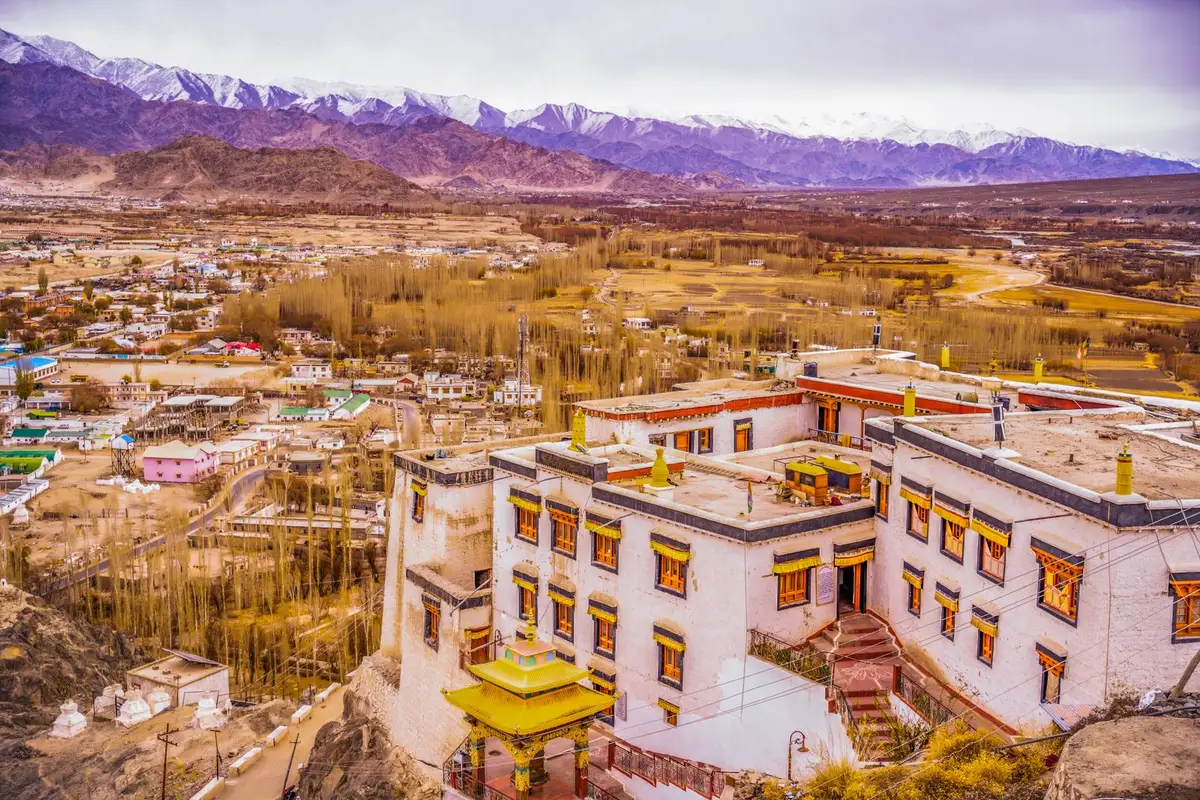
Your rest days in Leh need not be spent in a hotel room. Gentle walks, monasteries and markets that suit the first 48 hours at 3,500 m.
Markha Valley departures every Saturday, June to September · Chadar 2027 bookings open
Changspa Road, Leh, Ladakh 194101
May–Oct daily 8 am – 8 pm · Nov–Apr 10 am – 5 pm
Fresh bread, hot soup and dal that cooks properly at altitude. A look inside the kitchen tent, and what we carry to make it work.
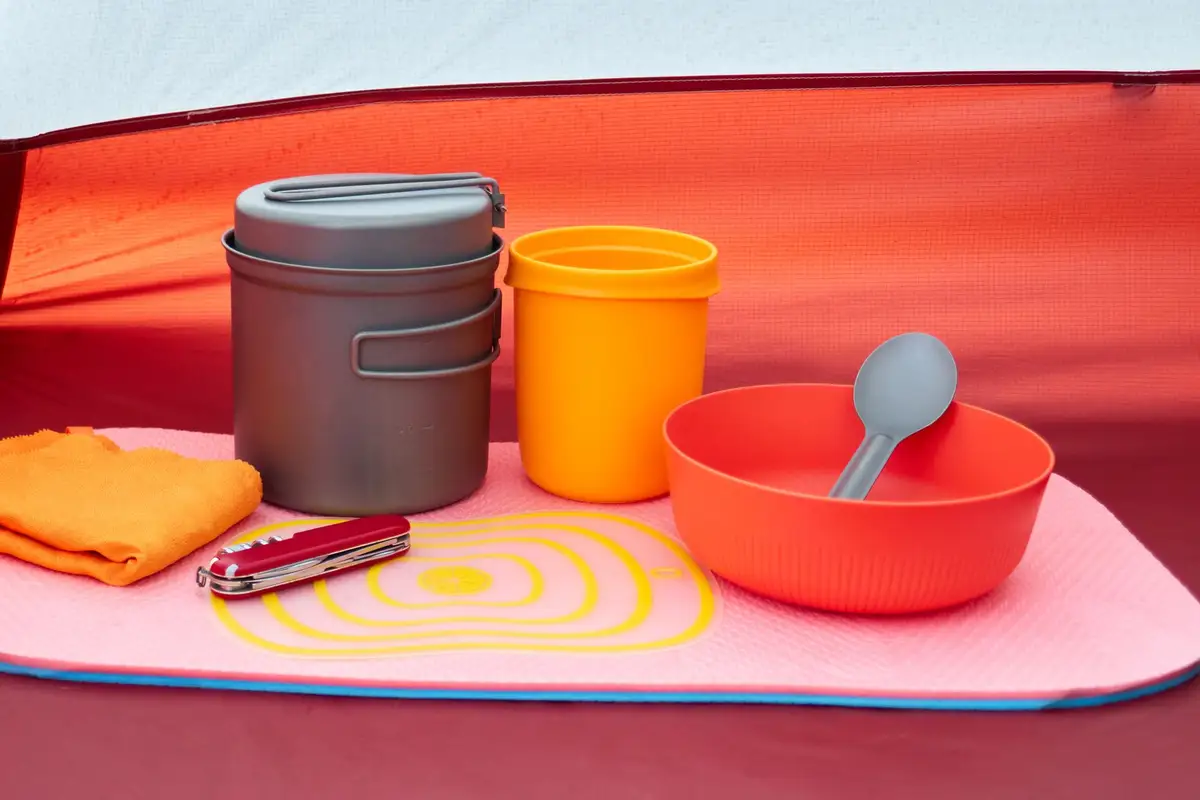
Ask anyone who has trekked with us what they remember, and many will mention the food before the mountains. That is the work of cooks like Tsering and Dorjay, who walk ahead of every group and have dinner ready when the last trekker arrives at camp.
Cooking at altitude is harder than it looks. Water boils at about 85°C at 4,500 m, so rice, dal and potatoes take much longer and often stay hard. Our cooks use pressure cookers for almost everything, and soak dal and rajma from the morning. Kerosene stoves are used rather than gas, because gas cylinders lose pressure in the cold.
A typical day starts with tea and biscuits at the tent door at 6.30 am. Breakfast is porridge, eggs, chapati and Ladakhi khambir bread with apricot jam. Lunch is packed: boiled potatoes, a vegetable sandwich, juice, dried fruit and chocolate. At camp there is hot soup and pakoras at 4 pm, and dinner at 7 is rice, dal, two vegetables, and a dessert such as custard or halwa. On the pass day, the cook bakes a cake in a pressure cooker.
All the food is bought in Leh and carried by ponies, apart from vegetables and butter from villages where we can buy them. Drinking water is boiled and filtered every evening for the next day. Tell us about any food allergies or preferences when you book. Our cooks have managed vegan, Jain and gluten-free diets at 5,000 m.
Keep reading
Your rest days in Leh need not be spent in a hotel room. Gentle walks, monasteries and markets that suit the first 48 hours at 3,500 m.
Monastery festivals with masked dances, the Ladakhi new year in winter and village harvests. How to plan a trek around them.
The question we hear most from first-time trekkers in their forties, fifties and sixties, and an honest answer about who does well up high.