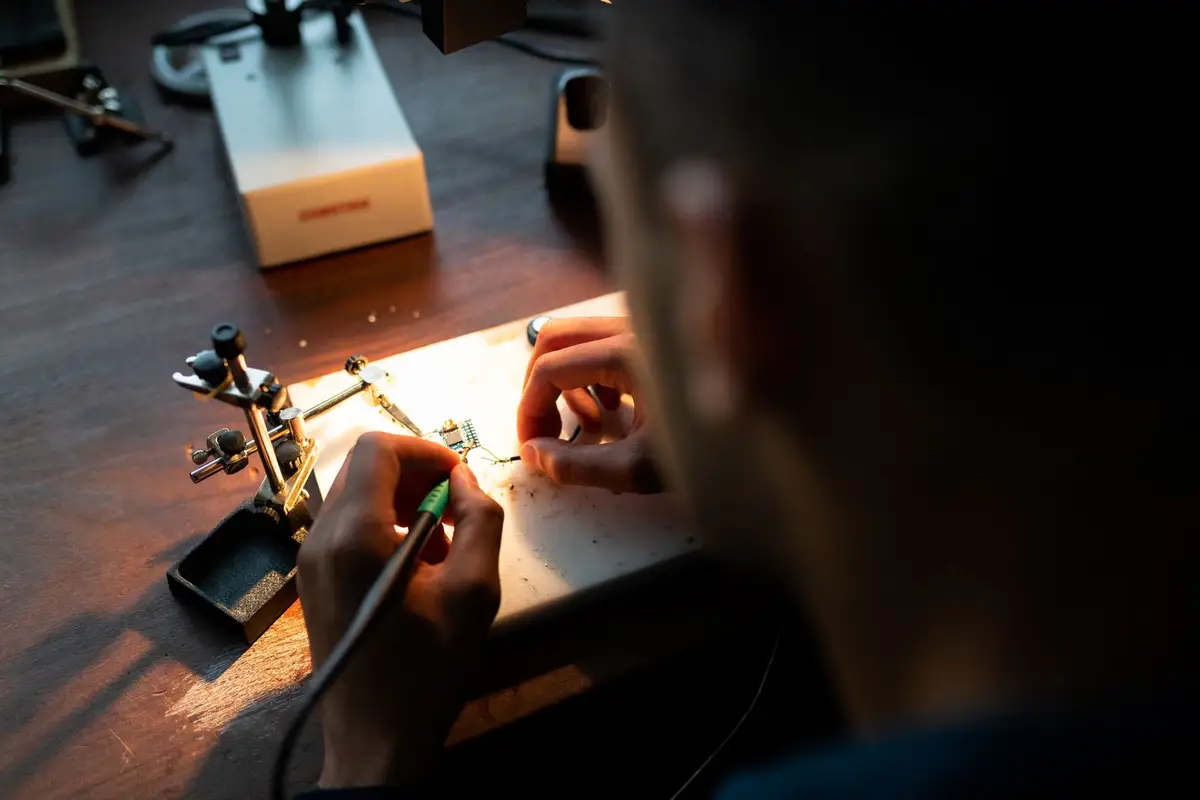
Why we teach robotics with a soldering iron
Block coding is a good start; wiring a circuit yourself is where it clicks.
Night-sky camp on 14–16 November · 6 seats left · Ages 8–16 · Evening and weekend batches
No. 42, 9th Cross, 4th Block, Jayanagar, Bengaluru 560011
Tue–Fri · 4 pm – 9 pm · Sat–Sun · 9 am – 9 pm
Warm layers, a red torch and no white light after 8 pm.
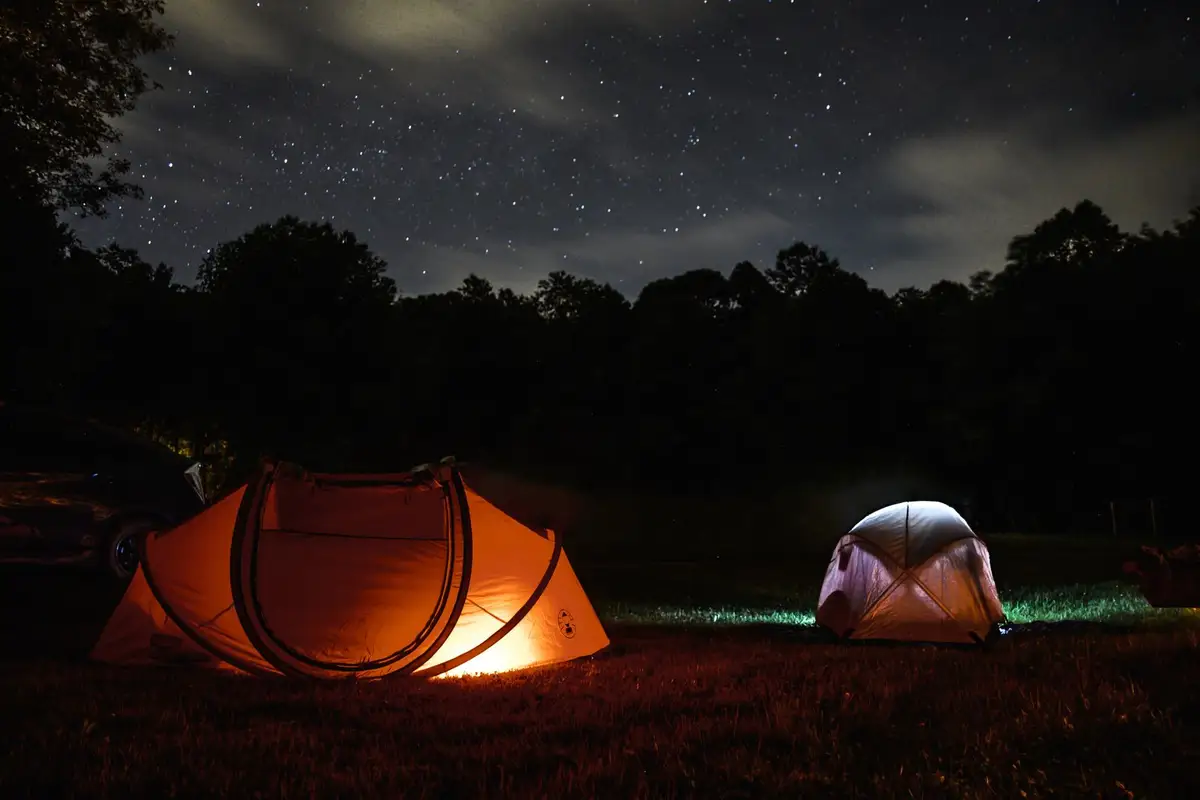
Nights at our camp site near Kanakapura drop to 14°C in December and January, and children sit still for long stretches at the telescope. Pack more warmth than you think: a thermal top, a sweater, a jacket, a woollen cap and socks to sleep in.
A red torch matters more than anything else on the list. Our eyes take about 20 minutes to adjust to the dark, and one flash of white light undoes it. We hand out red covers at the bus, but a torch with a red mode is better. Phones stay in bags after 8 pm, or on the red-screen setting we show children on arrival.
Bring a water bottle, a small notebook and a pencil, closed shoes for the uneven ground, mosquito cream and any medicines with a note for the lead mentor. We provide tents, sleeping mats, sleeping bags and all meals.
Leave behind anything that beeps or glows. The quiet is part of the experience: on the second night, most children lie on their mats and pick out constellations without being asked.
Keep reading
Block coding is a good start; wiring a circuit yourself is where it clicks.
What each kind shows, what it costs, and why we often suggest binoculars before any telescope.
Orion in winter, Scorpius in summer and the meteor showers worth staying up for, month by month.