Building a 76 mm reflector in two Sundays
Mirrors, a tube and a lot of careful alignment: how children build the telescope they take home.
Night-sky camp on 14–16 November · 6 seats left · Ages 8–16 · Evening and weekend batches
No. 42, 9th Cross, 4th Block, Jayanagar, Bengaluru 560011
Tue–Fri · 4 pm – 9 pm · Sat–Sun · 9 am – 9 pm
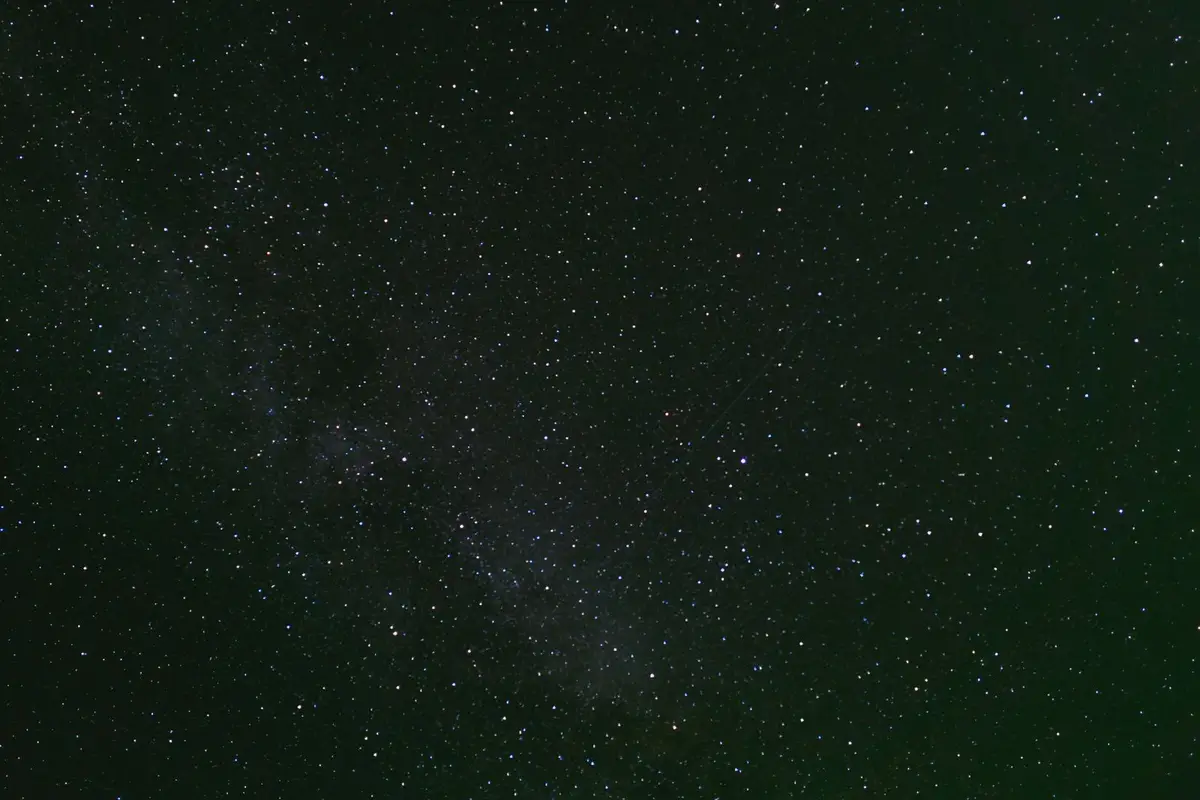
Orion in winter, Scorpius in summer and the meteor showers worth staying up for, month by month.

Bengaluru sits at about 13 degrees north, which means children here can see a wide stretch of both northern and southern skies. What is up changes through the year, and so does the weather that lets us see it.
November to February is the best season. Skies are clear and dry, and the evenings are full of bright stars. Orion rises in the east after dinner, with the red star Betelgeuse at one shoulder and the Orion Nebula visible as a faint smudge in binoculars. Sirius, the brightest star in the night sky, follows it. The Geminid meteor shower peaks around 13 and 14 December and is the strongest of the year; our November camp often catches its early meteors.
March to May brings warm nights and clear early evenings. Leo and Virgo are high, and later at night Scorpius climbs in the south-east, with the orange star Antares at its heart. This is a good season for spotting the Southern Cross low on the southern horizon, which few children in north India can see.
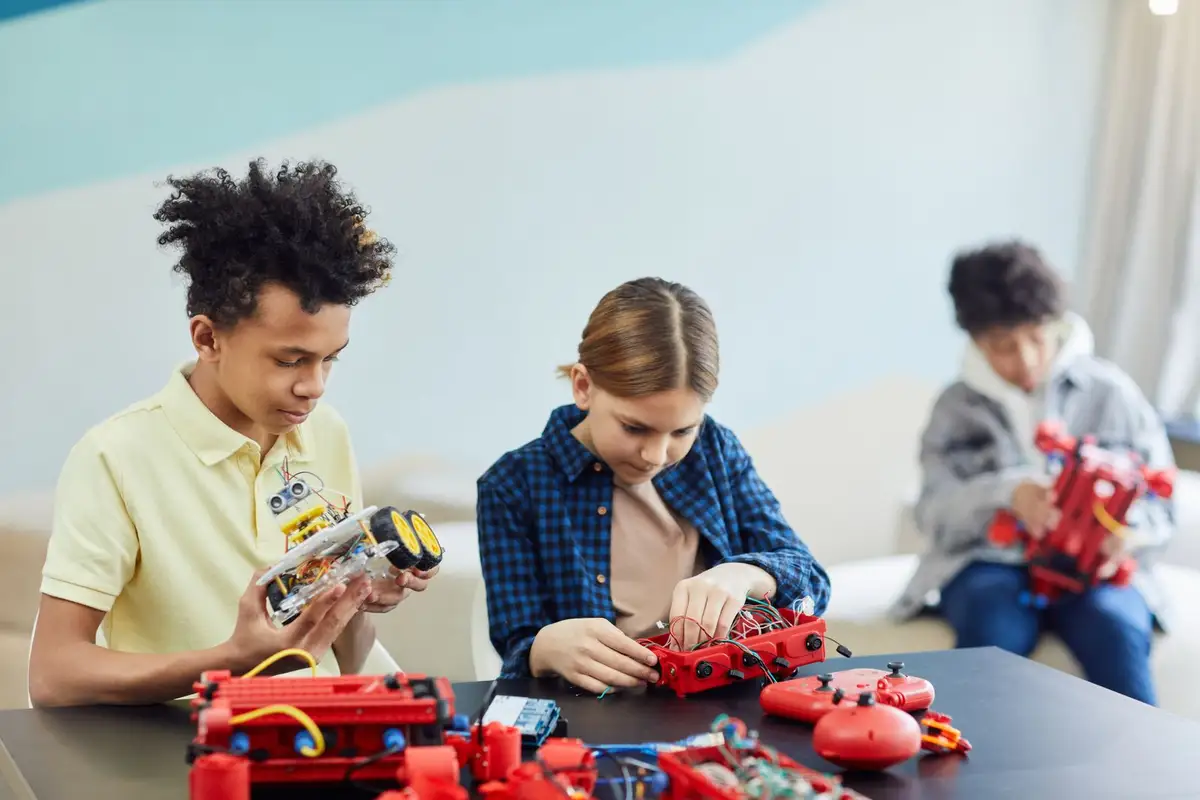
June to September is the hard season. The monsoon clouds over most nights, and the Perseid meteors in August are usually hidden. We use these months for indoor sessions, telescope building and robotics, and grab the occasional clear evening. October is a transition. Saturn and Jupiter are often well placed in the evening sky in recent years, and the rains begin to clear. We print a simple monthly sky map for every child in our Saturday batches, so families can step out after dinner and find two or three things on their own.
Keep reading
Mirrors, a tube and a lot of careful alignment: how children build the telescope they take home.
How far you need to go to escape the city’s glow, and what to expect at each distance for a family night out.
A common worry among parents, and what our robotics classes actually ask of children aged 8 to 16.