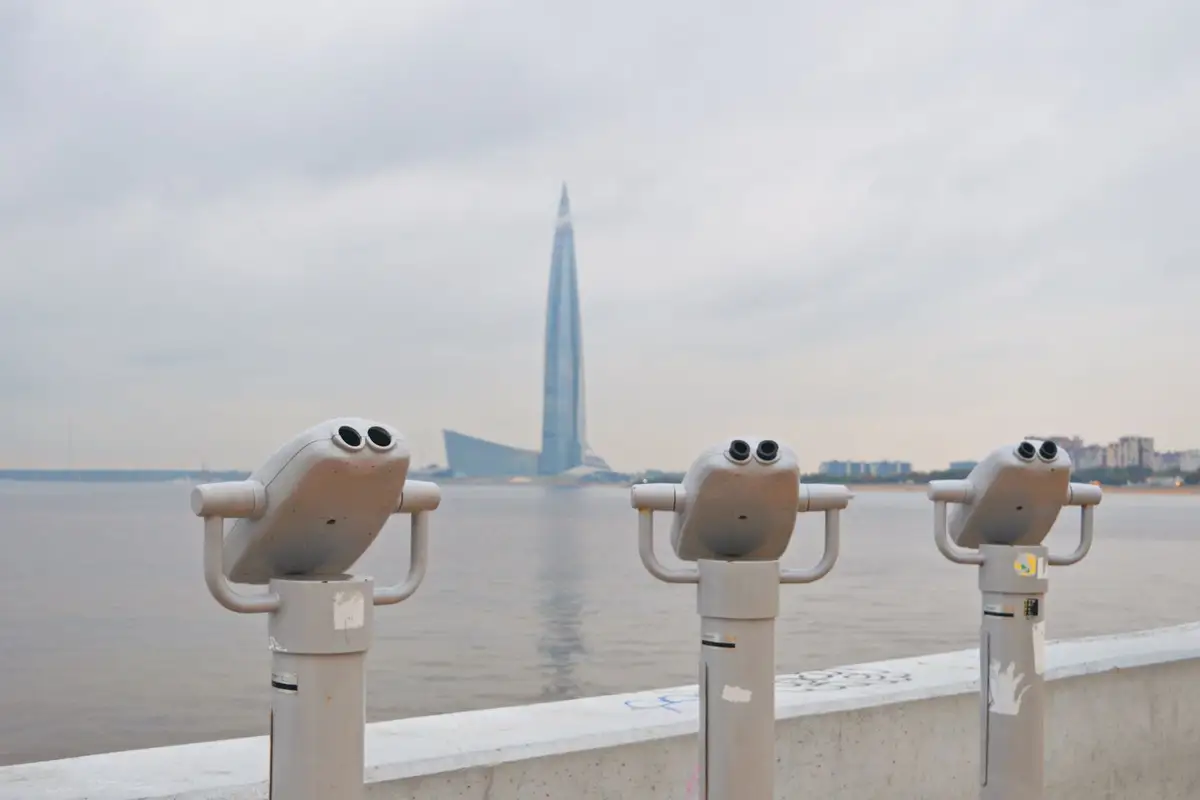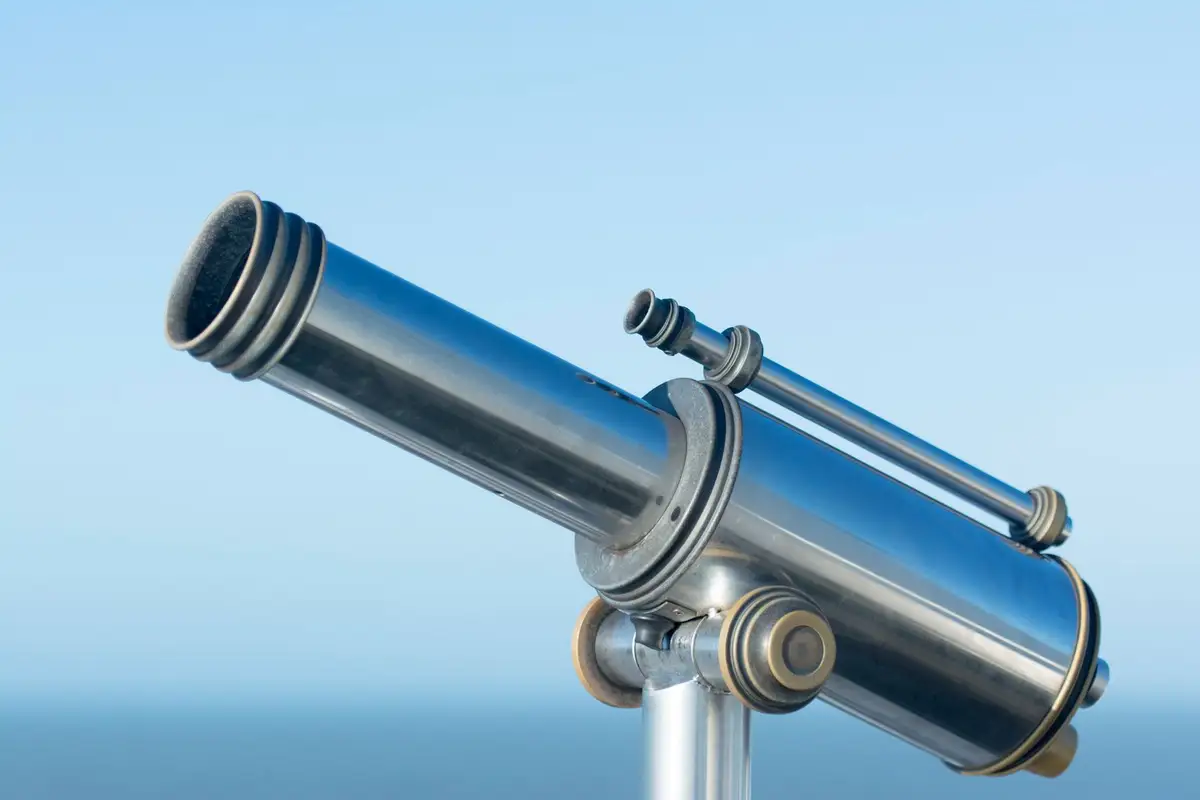
Binoculars, refractor or reflector: a first telescope for a child
What each kind shows, what it costs, and why we often suggest binoculars before any telescope.
Night-sky camp on 14–16 November · 6 seats left · Ages 8–16 · Evening and weekend batches
No. 42, 9th Cross, 4th Block, Jayanagar, Bengaluru 560011
Tue–Fri · 4 pm – 9 pm · Sat–Sun · 9 am – 9 pm
Block coding is a good start; wiring a circuit yourself is where it clicks.
Most robotics classes for children run on screens. Children drag blocks, press play and a robot moves. It is a fine way to begin, and our level 1 course starts that way too.
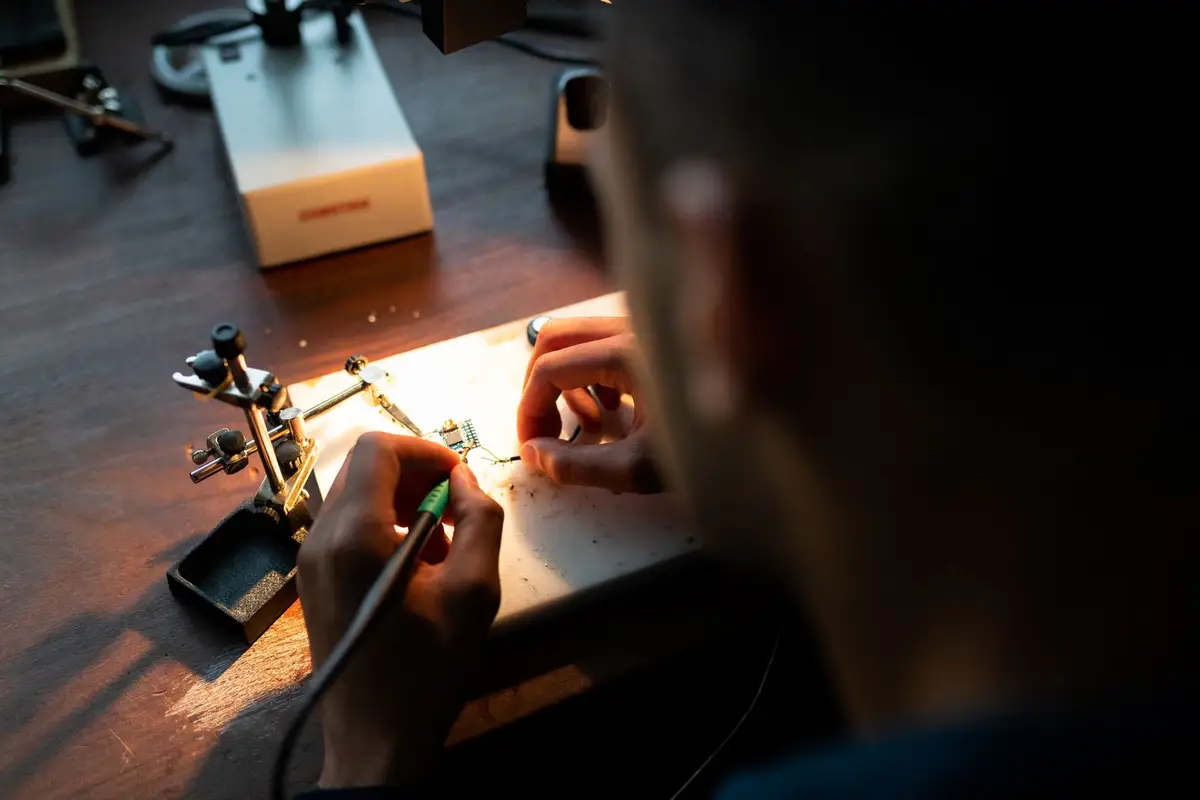
But something changes when a child wires the circuit themselves. When an LED does not light, they have to find out why: a wire in the wrong row of the breadboard, a resistor the wrong way round, a loose joint. That search is what engineers do all day, and children learn it fastest with their own hands.
We introduce soldering at 11, in the Electronics and microcontrollers course. Every child wears safety glasses, irons sit in stands with a mentor at each bench, and the first joints go on a practice board. By the fourth week, most can solder a sensor to a header neatly enough to use.
By the end of the term each child has built a weather station that records temperature and humidity on our rooftop. Parents usually ask why it took 16 weeks to make something they could buy. The answer is on the board, in the joints their child made.
Keep reading
What each kind shows, what it costs, and why we often suggest binoculars before any telescope.
Orion in winter, Scorpius in summer and the meteor showers worth staying up for, month by month.
Mirrors, a tube and a lot of careful alignment: how children build the telescope they take home.