Your first night-sky camp: what to pack
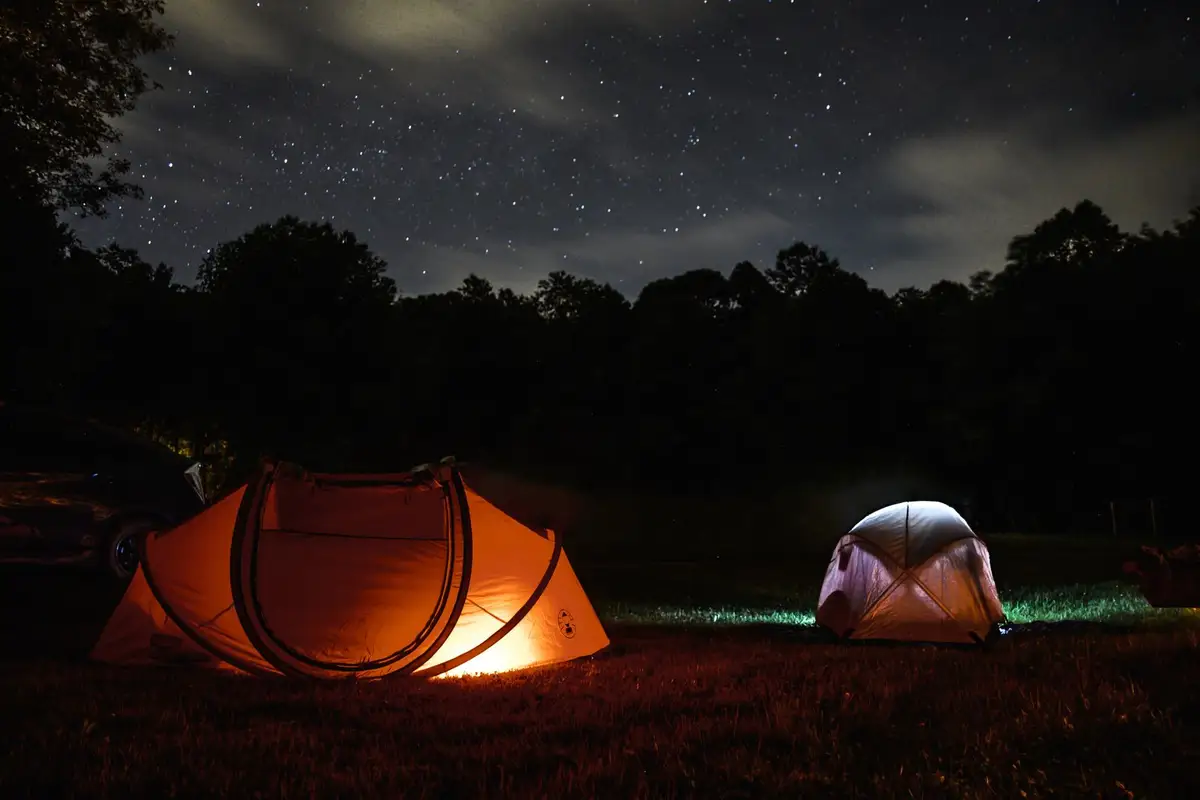
Warm layers, a red torch and no white light after 8 pm.
Night-sky camp on 14–16 November · 6 seats left · Ages 8–16 · Evening and weekend batches
No. 42, 9th Cross, 4th Block, Jayanagar, Bengaluru 560011
Tue–Fri · 4 pm – 9 pm · Sat–Sun · 9 am – 9 pm
The Moon, Jupiter’s moons and Saturn’s rings are all visible from a city rooftop.

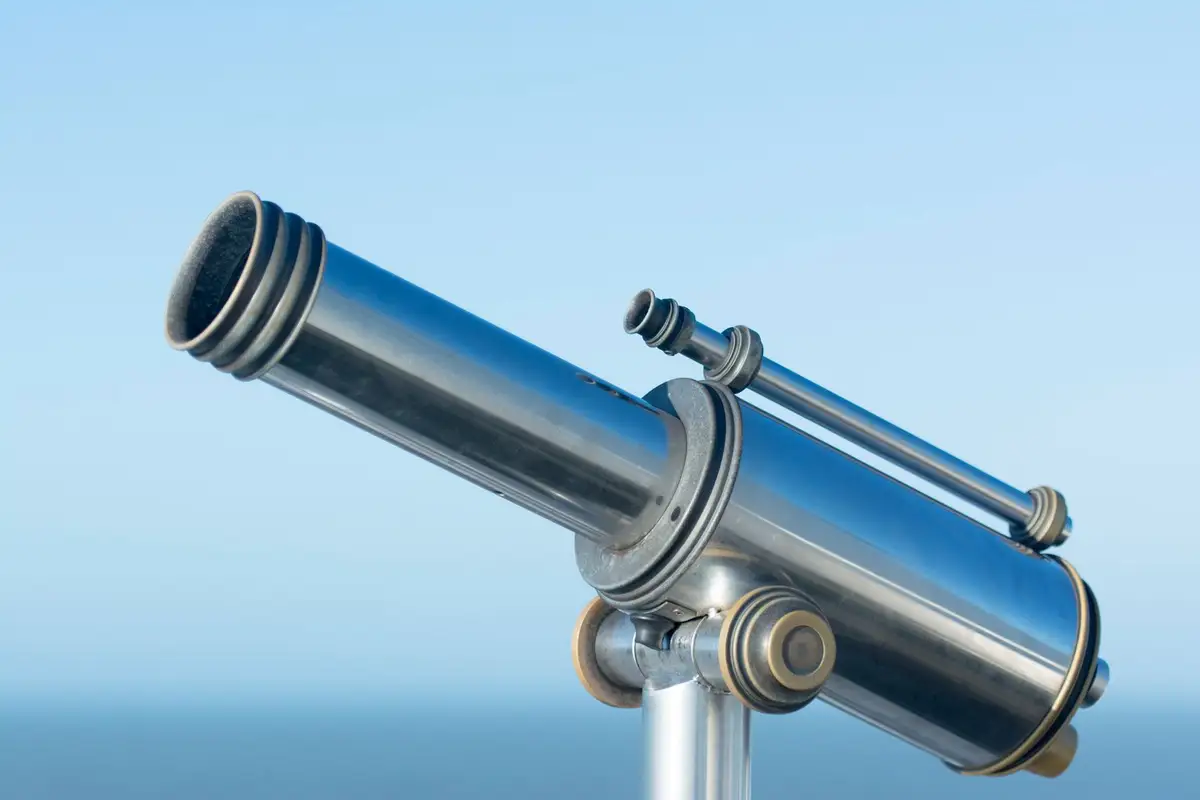
Parents often ask whether there is anything to see from Bengaluru, with all its lights. There is, and a small telescope is enough to start.
The Moon comes first. Through a 70 mm telescope, craters along the line between light and shadow look sharp and three-dimensional. The first quarter, about seven days after the new Moon, is the best time. A full Moon is bright and flat, and less interesting than it looks.
Jupiter is next. Even at low power, children can see its two dark cloud belts and up to four moons in a line beside it. If they sketch the moons on two nights in a row, they will see that the moons have moved. That is the same thing Galileo noticed in 1610.
Saturn’s rings are the moment most children remember. At 50 times magnification, the planet looks small but unmistakable, like a sticker on black paper.
What a city rooftop cannot show well are faint galaxies and the Milky Way. For those, we take children 70 km out to our camp site near Kanakapura, where the sky turns from orange-grey to black.
Keep reading
Warm layers, a red torch and no white light after 8 pm.
Block coding is a good start; wiring a circuit yourself is where it clicks.
What each kind shows, what it costs, and why we often suggest binoculars before any telescope.