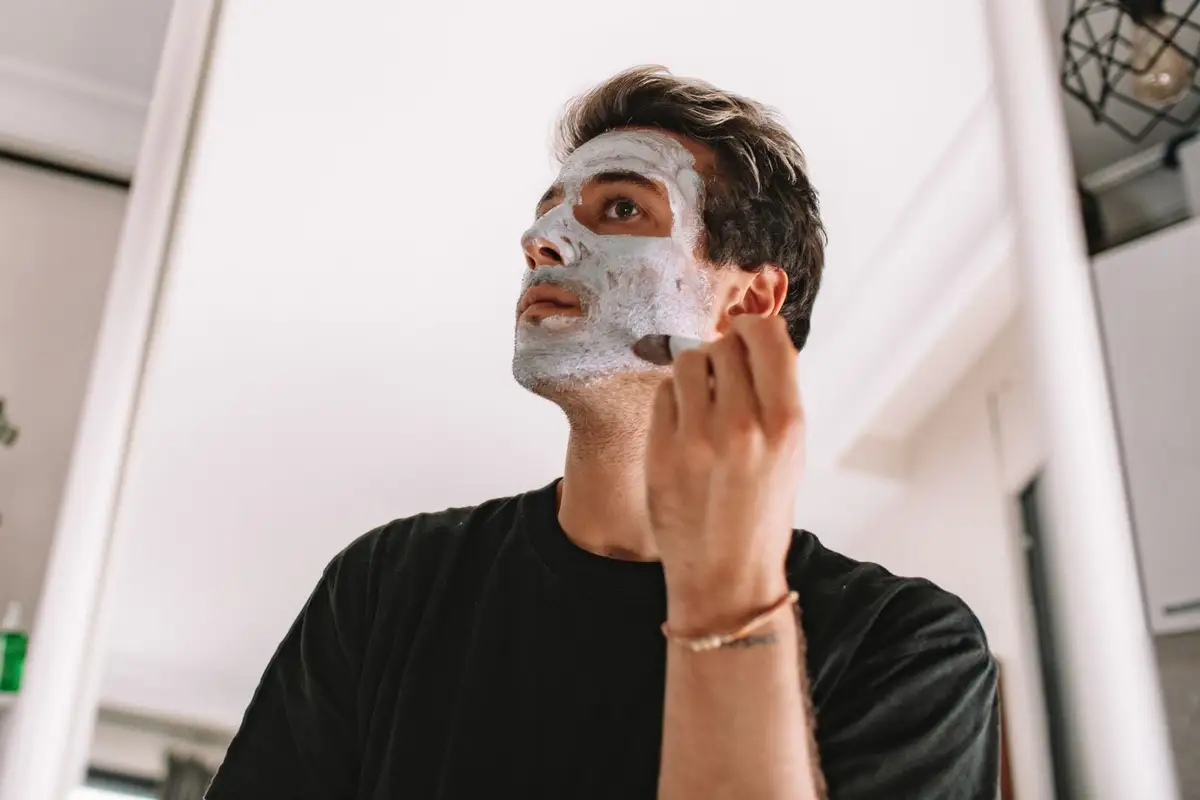
De-tan after a Chennai summer: what a clean-up does
Sun, sweat and dust between March and June: what happens in our 35-minute clean-up and what to do at home.
Walk-ins till 7 pm · Book a chair online and skip the queue · Closed Tuesdays
12 Second Avenue, Anna Nagar, Chennai 600040
Wed–Mon · 9 am – 9 pm · Closed Tuesdays
The old belief, why it seems true and what actually changes when you shave, trim or wax.
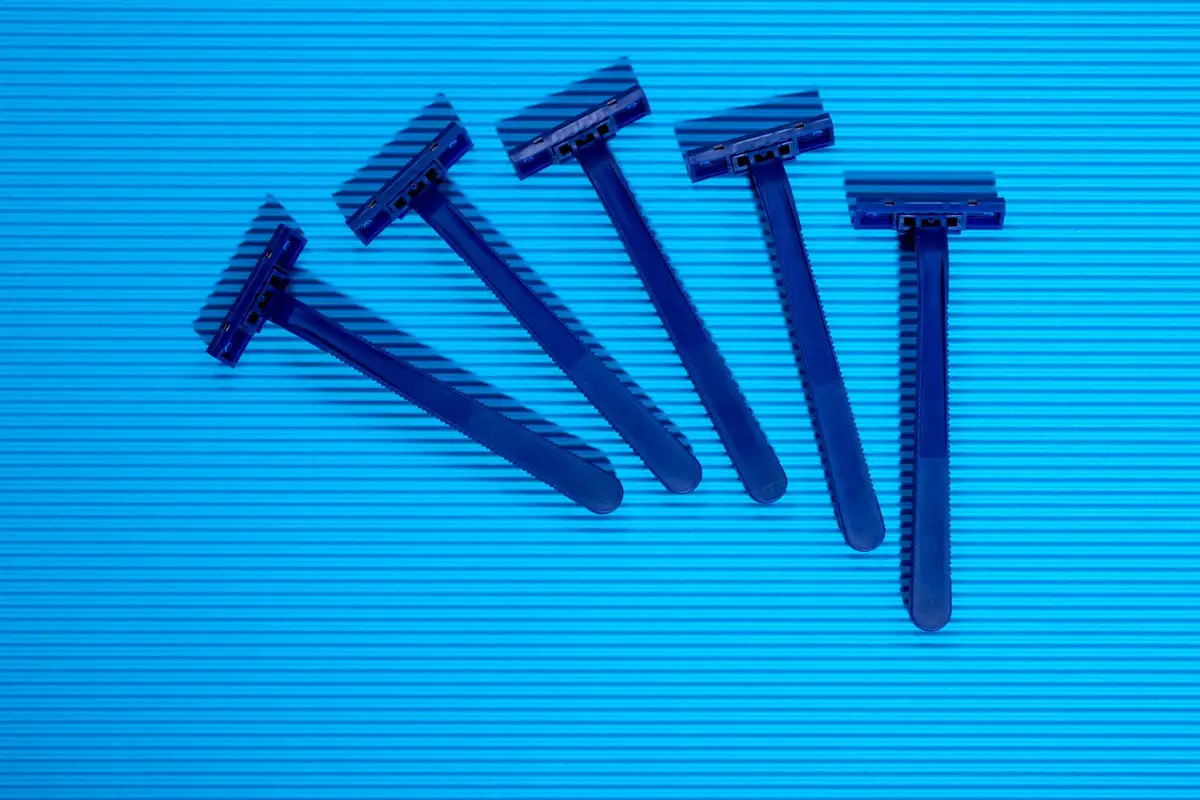
Almost every week, a teenage customer asks whether shaving his patchy moustache will make it grow back thicker. His father or uncle has told him so. It is one of the oldest beliefs in any barbershop, and it is not true.
Shaving cuts a hair at the surface of the skin. It does nothing to the follicle beneath, which decides how thick each hair is, how fast it grows and how many hairs there are. The number of follicles on your face is set by your genes and changes slowly with age and hormones, not with a razor.
Why does it seem true, then? A hair that has never been cut has a fine, tapered tip. When you shave it, you cut across the thicker part of the shaft, so the regrowing stubble has a blunt end. It feels coarser to the touch and looks darker against the skin, especially in the first few days. Stubble also stands straight up, while longer hair lies flat and looks lighter.
The same is true of trimming. Regular trims make a beard look neater and fuller because the ends are even, but they do not add hairs. For young men whose beard is still filling in, our advice is simple: let it grow for eight to ten weeks without shaving, then come in for a shape. Many beards that look patchy at three weeks look fine at ten. If you prefer a clean face till then, shaving does no harm either way.
Keep reading
Sun, sweat and dust between March and June: what happens in our 35-minute clean-up and what to do at home.
Bring a photo, but also know three words: length, fade height and texture.
The itchy weeks, the heat and the patchy cheeks: what to expect and what helps.