Dasara dolls and the bombe habba in Mysuru
How Mysuru families arrange their steps of dolls for Navaratri, and which wooden dolls children add each year.
Free delivery in Mysuru above ₹999 · Ships across India in 3–5 days
12 Kalidasa Road, VV Mohalla, Mysuru 570002
Tue–Sun · 10.30 am – 8 pm · Mon closed
Where lac comes from, how it becomes colour on a spinning toy and the questions we ask every workshop before we stock a batch.
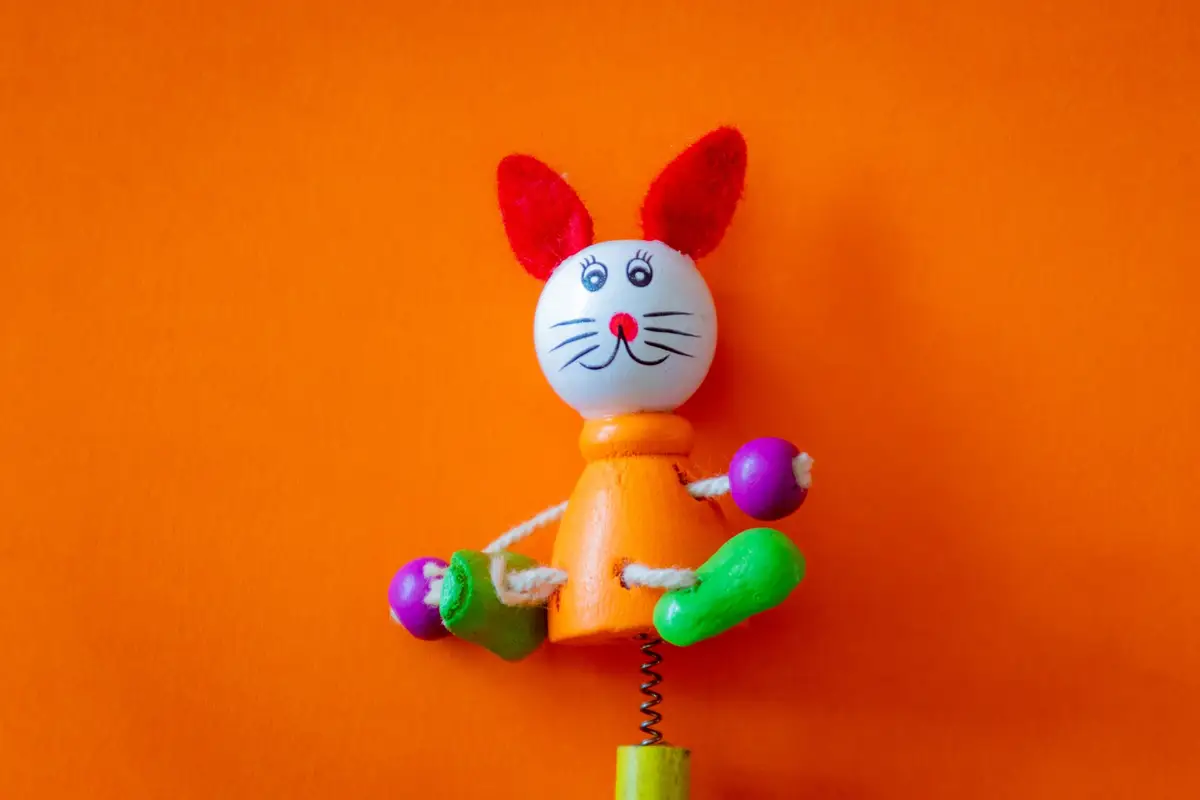
Parents of babies ask us one question more than any other: what exactly is on this toy, and what happens if my child chews it? Here is what we know about lac, and how we check the colours on what we sell.
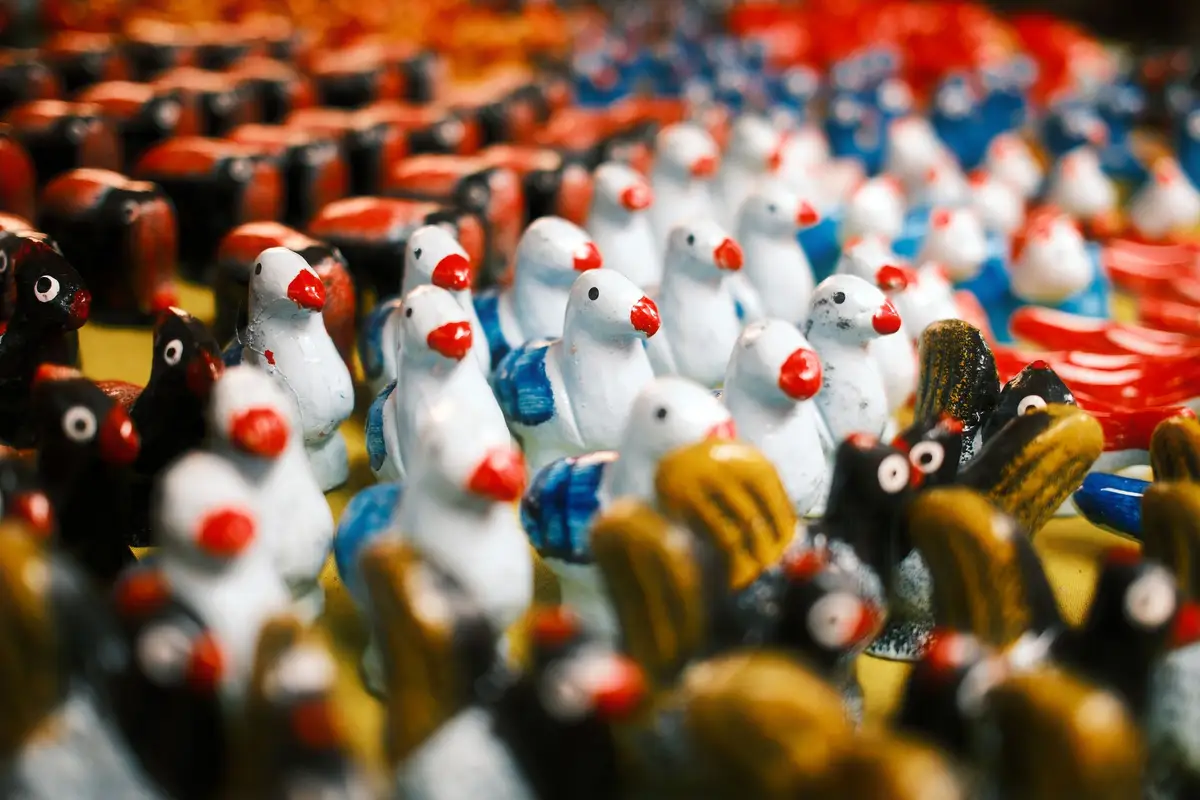
Lac is a natural resin secreted by a tiny insect that lives on certain trees, including the kusum and palash trees of central and eastern India. It is collected from the branches, cleaned and melted. In Channapatna, the turners mix melted lac with colour pigments and roll it into hard sticks, each about the size of a crayon. When a toy is spinning on the lathe, the turner presses a lac stick against it. The friction warms the lac, which melts onto the wood in a thin, glossy layer and sets as it cools.
The colour in the stick is what matters most. Traditional colours came from plants and minerals, such as turmeric for yellow and indigo for blue. Today many workshops also use synthetic pigments, and that is where care is needed. We ask each of our seven workshops where their pigments come from, and we stock only toys made with pigments sold for use on toys and food-contact items, with no lead.
When a workshop changes a supplier, we send a sample of the new batch to a testing laboratory in Bengaluru before we accept it. It costs us about ₹6,000 a test. Lac is hard once set, so it does not rub off easily, but no toy should be chewed for hours. Check toys regularly for chips, and retire any that are cracked.
Keep reading
How Mysuru families arrange their steps of dolls for Navaratri, and which wooden dolls children add each year.
Workshops, the toy street on the highway and lunch on the way back: how to visit the town where our toys are made.
How a two-year-old learns on each, what the push handle is for and how to choose for your home and your child.