Solar through Jaipur’s seasons
Why your system produces most in March and April, dips in the monsoon and slows in winter haze.
Free roof survey across Jaipur · We file the subsidy and net-metering paperwork for you
22 Gopalpura Bypass, Gopalpura, Jaipur 302018
Mon–Sat · 9.30 am – 6.30 pm
Import, export, banked units and fixed charges: how to read the new lines on your bill once solar is running.
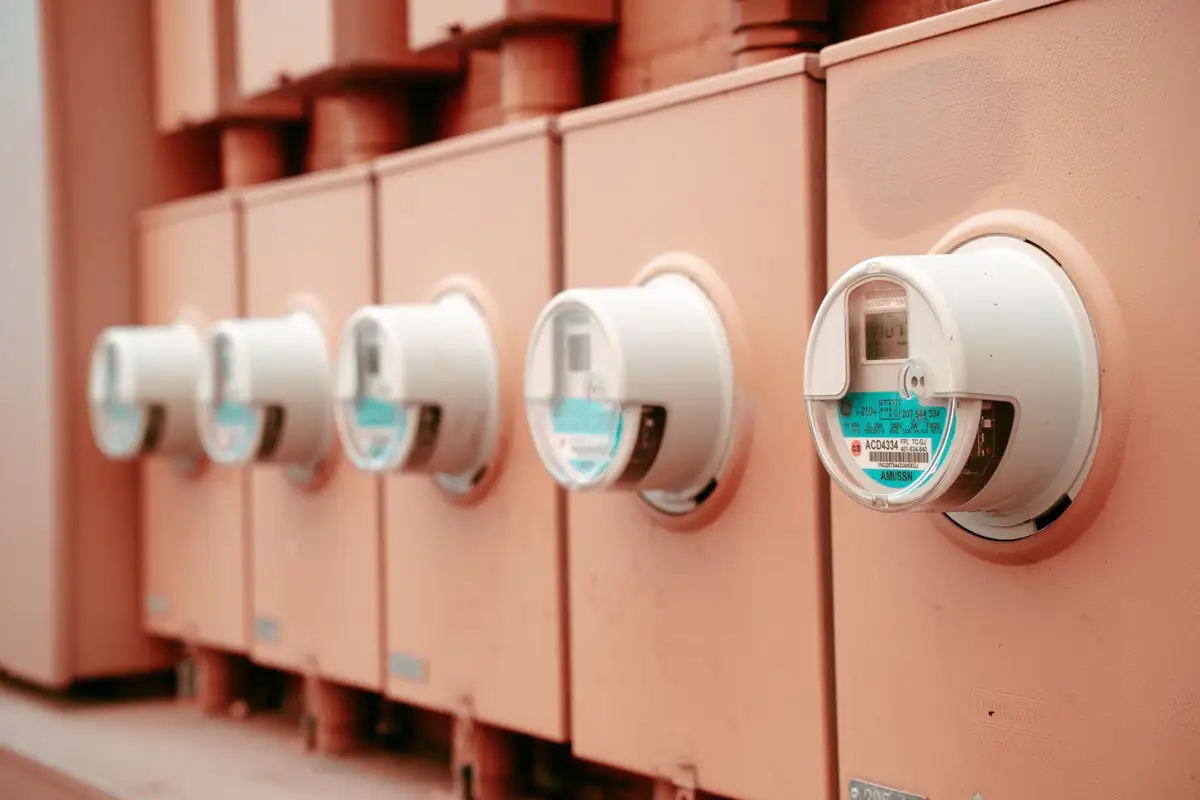
Once the discom fits your net meter, your bill changes, and many customers call us after their first one because it looks unfamiliar. Here is how to read it.
The net meter records two numbers instead of one. Import is the units you took from the grid, mostly at night and on cloudy days. Export is the units your panels sent to the grid when they produced more than your home was using, usually around midday. Your bill charges you for import minus export. On a sunny month with a well-sized system, that figure can be close to zero or even negative.
If export is higher than import, the extra units are usually carried forward to the next bill as banked units, rather than paid out each month. They help in the monsoon and winter months when generation drops. The way leftover units are settled at the end of the year depends on the discom’s current rules, so check the settlement line on your bill.
Fixed charges do not go away. Every connection pays a fixed monthly amount based on sanctioned load, plus some duties, even if your net units are zero. So a bill of ₹350 to ₹600 a month is normal even with solar. Compare the meter readings with your monitoring app. The app shows total generation, including the power your home used directly, which never appears on the bill. If the bill and the app look far apart for two months, send us photos of both. We will check whether the meter readings have been taken correctly.
Keep reading
Why your system produces most in March and April, dips in the monsoon and slows in winter haze.
Galvanised steel, wind loads and a roof that must not leak: the details under every panel we fit.
Committee meetings, common roof space and shared bills: how societies in Mansarovar and Vaishali Nagar decide.