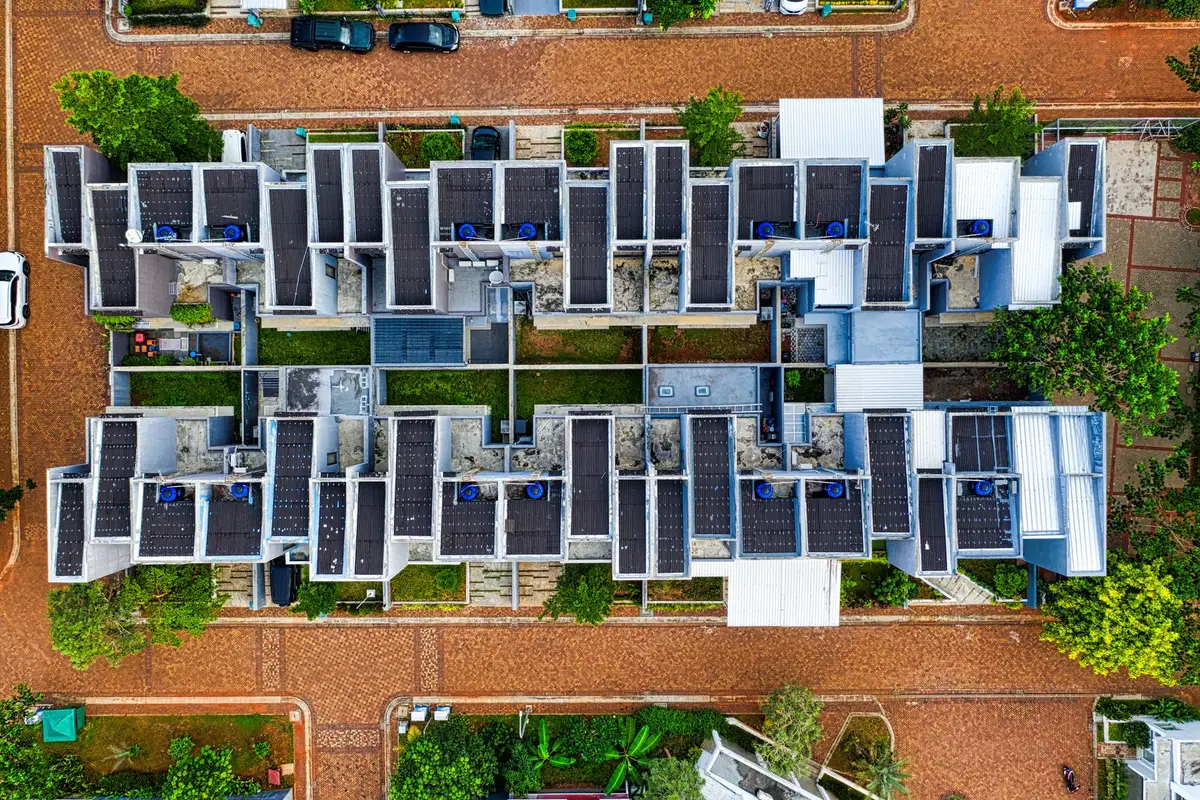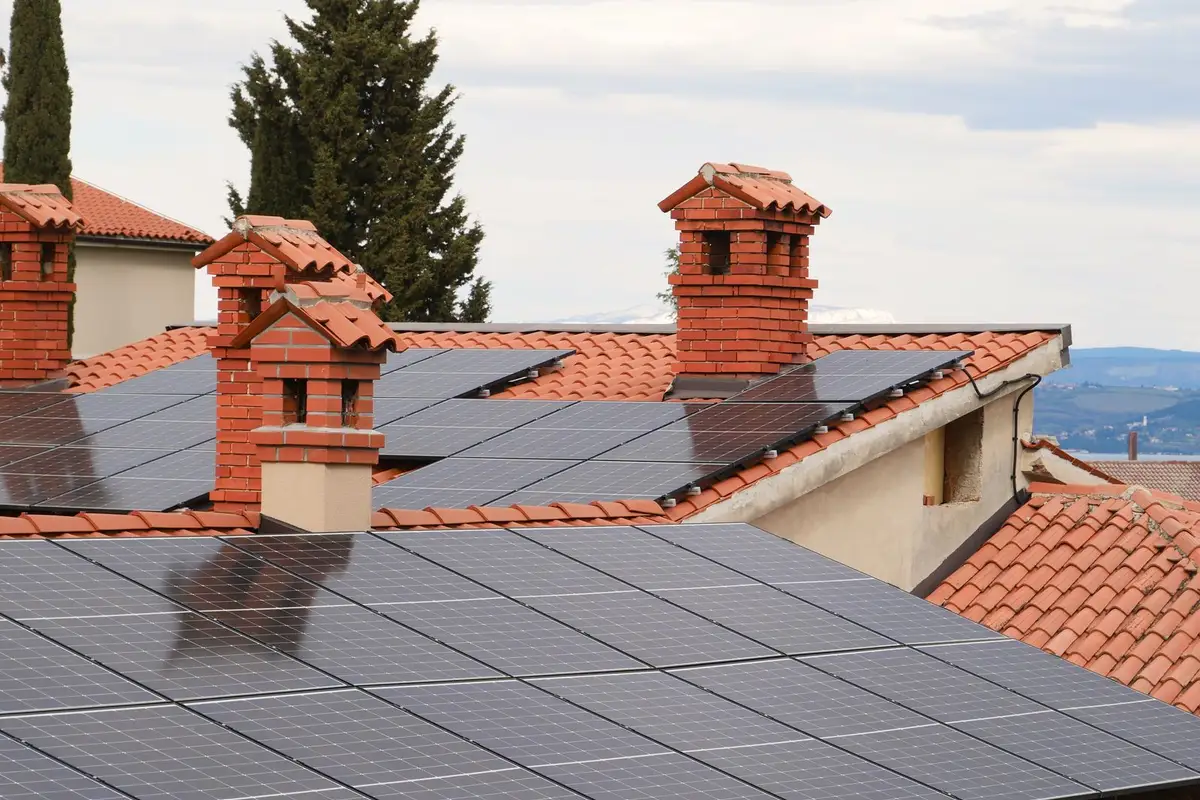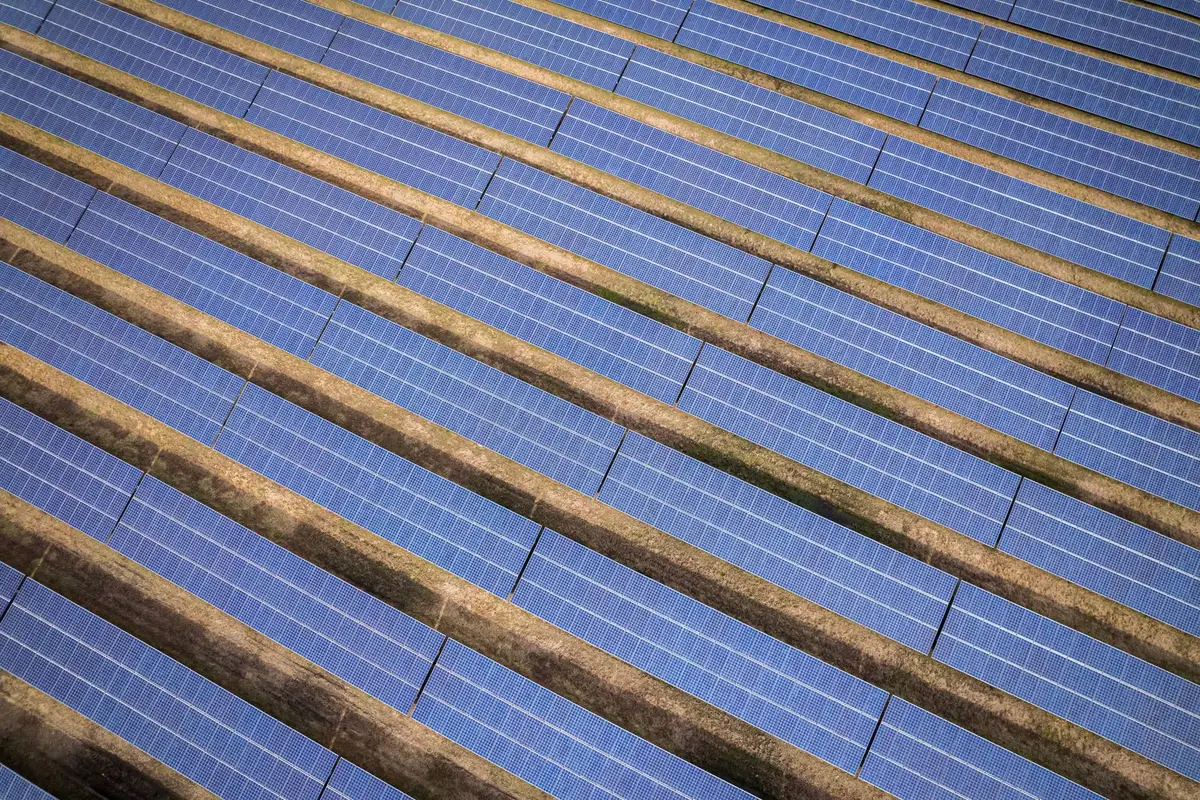
How we build a mounting structure for a flat roof
Galvanised steel, wind loads and a roof that must not leak: the details under every panel we fit.
Free roof survey across Jaipur · We file the subsidy and net-metering paperwork for you
22 Gopalpura Bypass, Gopalpura, Jaipur 302018
Mon–Sat · 9.30 am – 6.30 pm
Why your system produces most in March and April, dips in the monsoon and slows in winter haze.
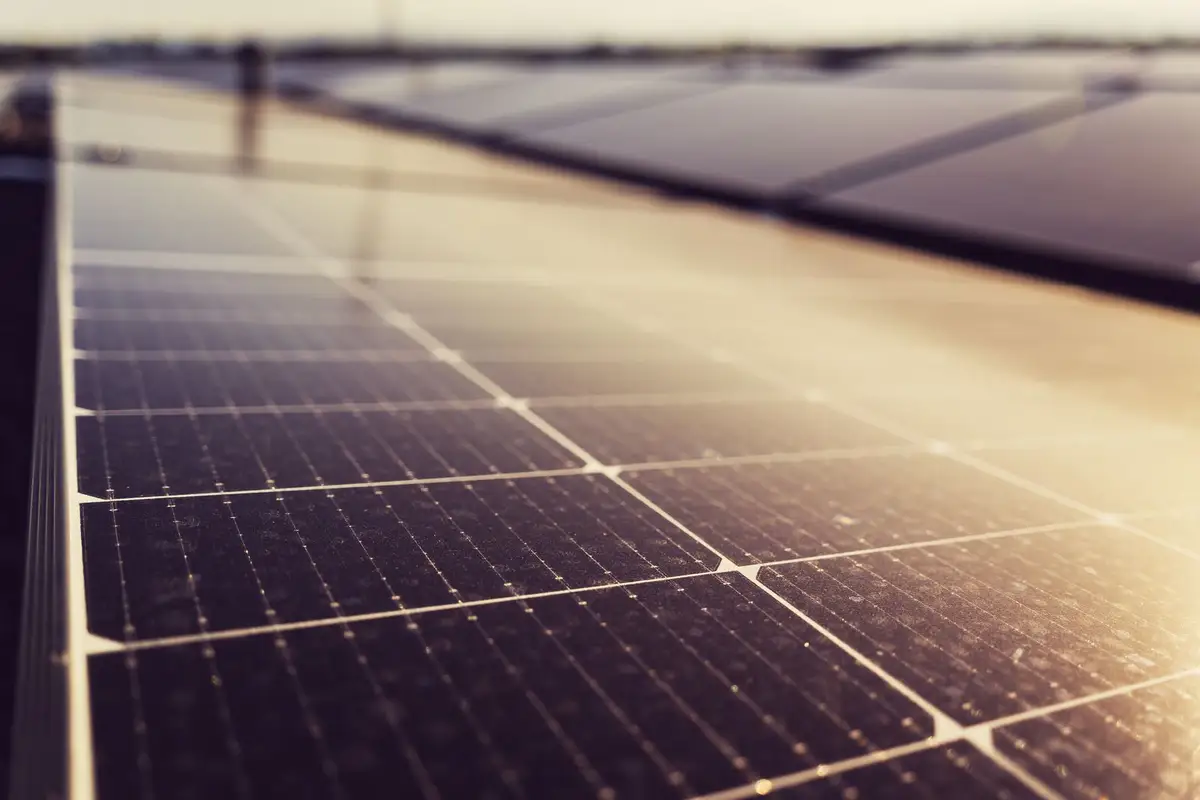
New solar owners often worry when generation drops for a few weeks. In most cases it is simply the season. Here is what a typical 5 kW system on a Jaipur roof produces through the year, as we see it across the homes we look after.
March and April are the best months. Skies are clear, days are long, and the air is still cool enough that panels work efficiently. A clean 5 kW system often makes 23 to 25 units a day. In May and June, generation stays high but drops slightly, to around 21 to 22 units, because panels lose a little output as they heat up past 60 degrees on the surface, and dust storms leave a film within days.
The monsoon, from July to mid-September, brings the lowest numbers. Cloudy days can produce only 8 to 12 units, and a week of rain can feel discouraging. The rain does clean the panels, though, and clear days between showers often give excellent output. October and November are good again, at around 20 units a day. From December to January, shorter days and winter haze bring output down to 16 to 18 units. Smog from crop burning in the north can add a grey layer for a few weeks.
Over a full year, a 5 kW system in Jaipur usually averages about 20 units a day, or roughly 7,000 units. If your monthly numbers fall well below these ranges for your season, check for shade from new construction, dust or a tripped switch, and send us a screenshot from the app.
Keep reading
Galvanised steel, wind loads and a roof that must not leak: the details under every panel we fit.
Committee meetings, common roof space and shared bills: how societies in Mansarovar and Vaishali Nagar decide.
Leaks, cracks, heat and storms: what actually happens to a concrete roof under a solar system.