Planning production around Indian festivals
Ugadi, Ramzan, Dasara and Diwali all change the pace of a Bengaluru factory. A calendar for buyers placing orders with Indian makers.
Booking production for Spring–Summer 2027 · Sampling slots open from 3 November
Plot 41, 3rd Phase, Peenya Industrial Area, Bengaluru 560058
Mon–Sat · 9 am – 6 pm · visits by appointment
Three cotton knits make most T-shirts and polos. How they differ in feel, weight, shrinkage and print, and which suits which garment.
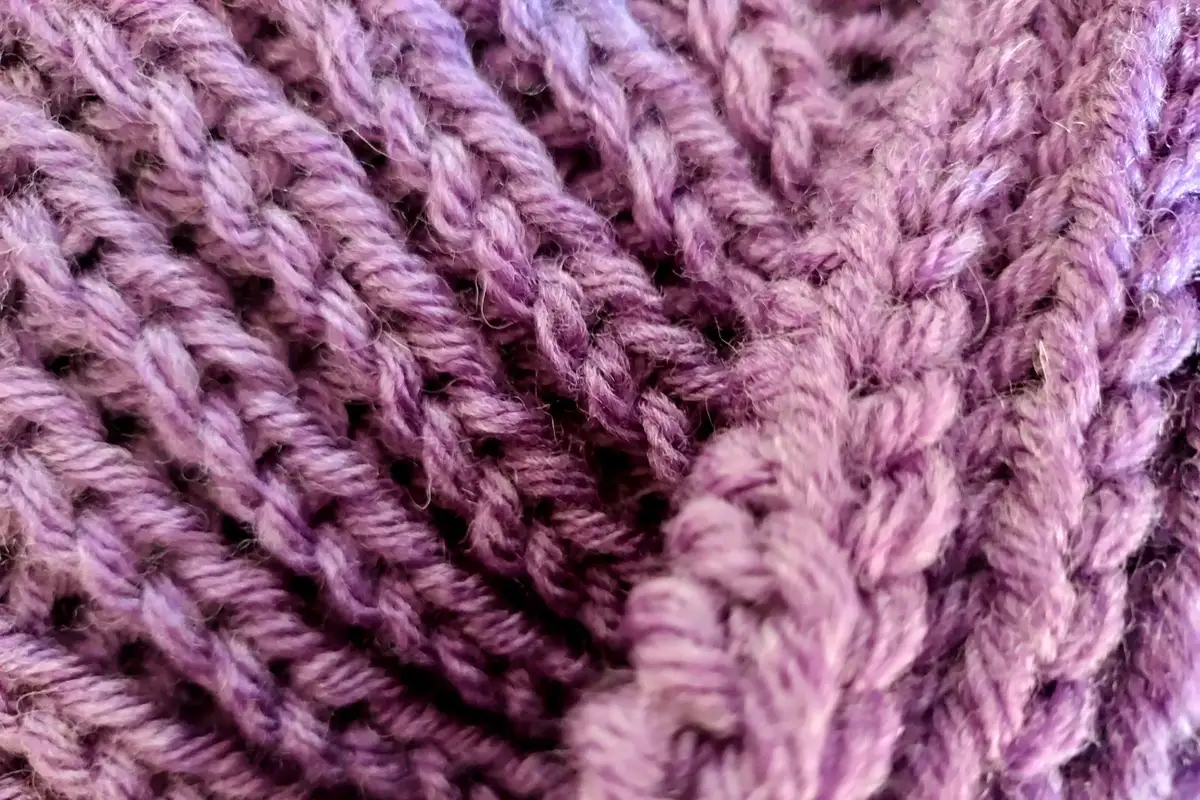
When a new brand asks us for “a good cotton T-shirt”, the first question we ask back is which knit. The structure of the fabric changes how a garment feels, hangs, prints and washes, often more than the fibre itself.
Single jersey is the classic T-shirt fabric. It is knitted with one set of needles, so the face is smooth and the back shows loops. It is light, soft and drapes well, and it takes screen and digital prints cleanly. Its weaknesses are that the edges curl when cut and it can twist after washing if the yarn and knitting are not balanced. We use 160 to 200 GSM for most T-shirts.
Piqué has a textured, honeycomb surface made by tucking stitches. It is thicker and more breathable than jersey, holds its shape better and hides creases, which is why it is used for polos. It is harder to print on because of the texture, so embroidery is more common. Typical weights are 200 to 240 GSM.
Interlock is knitted with two sets of needles, so both faces look smooth. It is heavier, more stable and does not curl, and it feels slightly spongy. It suits kidswear, heavier T-shirts and loungewear, and costs about 15 to 20 percent more than jersey of the same GSM. If you are unsure, ask for our knit swatch card. It has all three in four weights, washed three times, so you can feel the difference after laundering, which is how your customer will feel it.
Keep reading
Ugadi, Ramzan, Dasara and Diwali all change the pace of a Bengaluru factory. A calendar for buyers placing orders with Indian makers.
Getting to Peenya, where to stay, what a day at our factory involves and how to fit in mill and laundry visits in Bengaluru.
A week-by-week timeline for a first bulk order of 1,000 pieces, with the approvals we need from you and where delays usually happen.