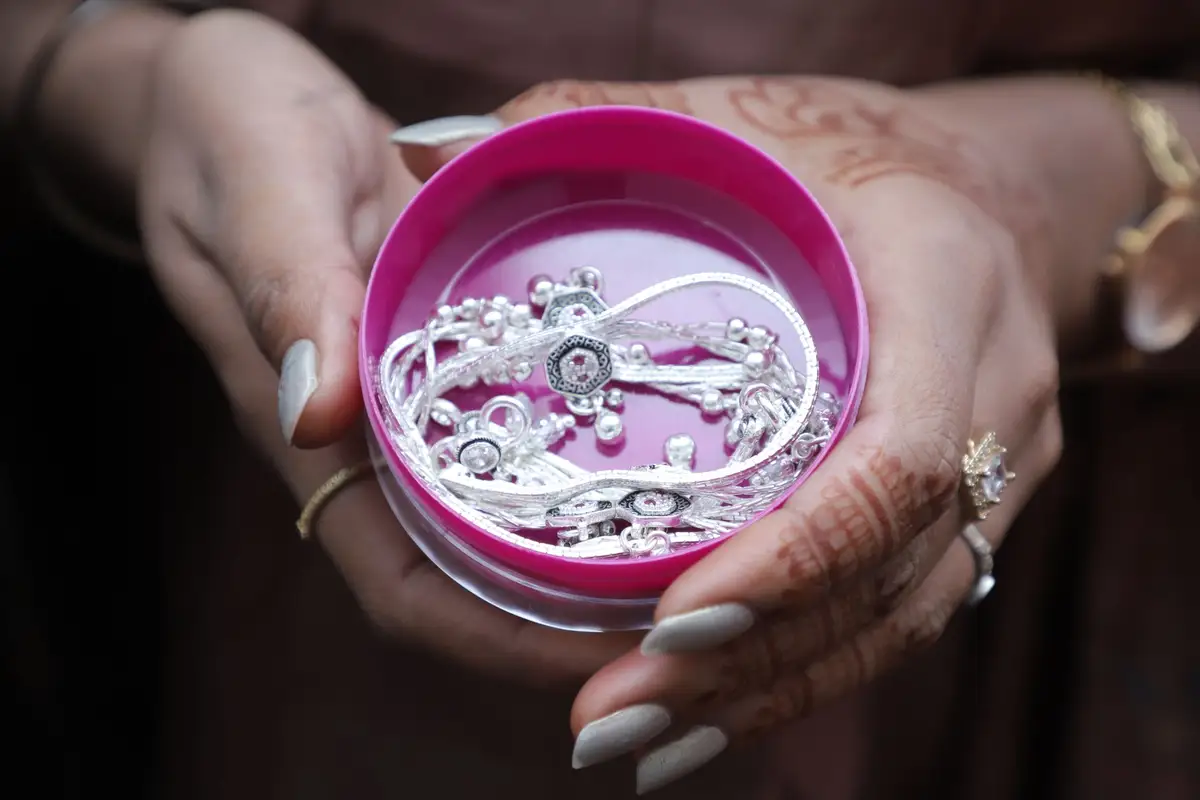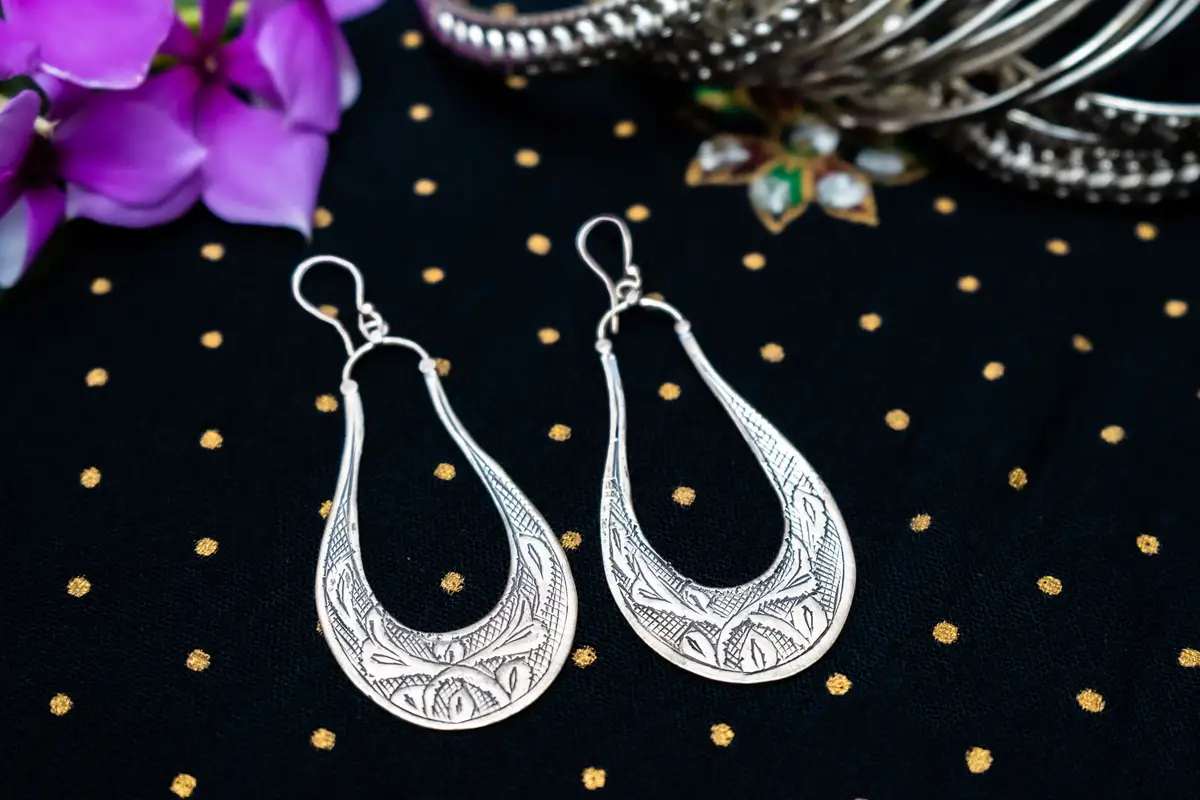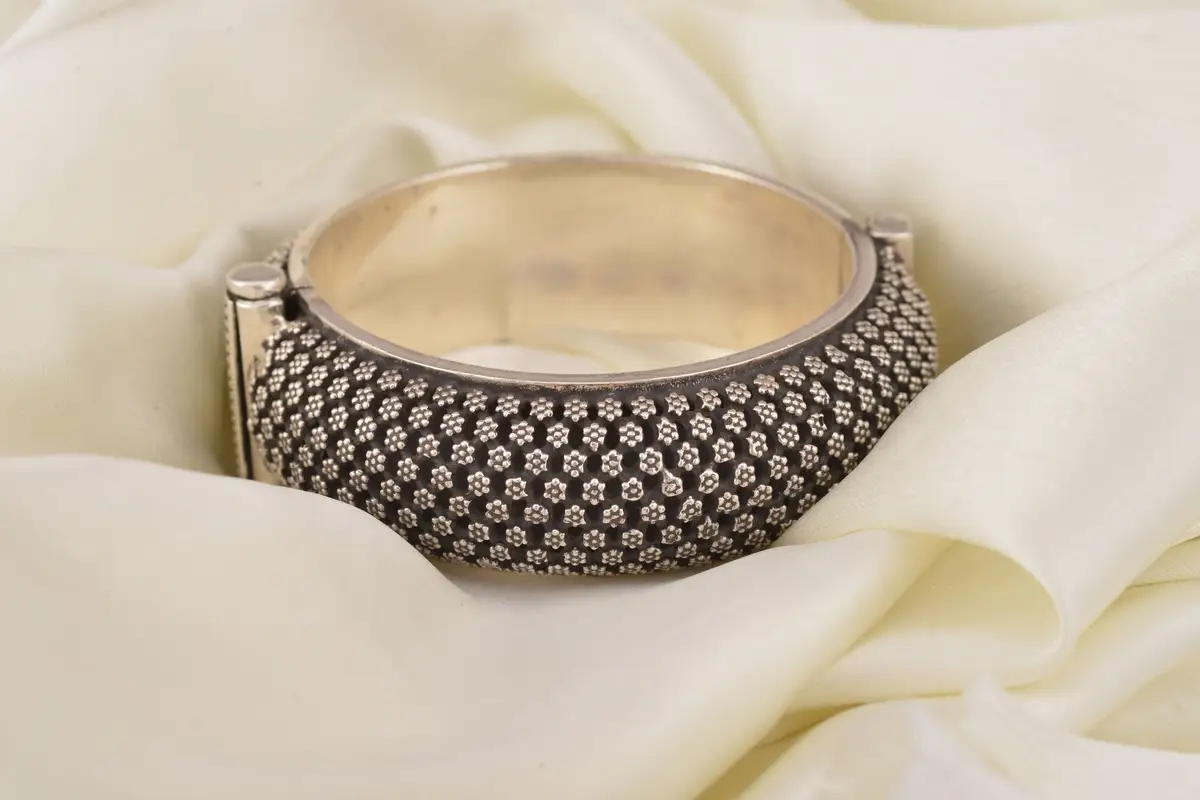
Three days on a granulated kada
Hundreds of tiny silver balls, each placed by hand. How Bijay makes the kada that takes our longest to finish.
92.5 sterling silver, weight on every tag · Free polishing for life · Ships across India
23 Nayasarak, Chandni Chowk, Cuttack 753002
Mon–Sat · 10 am – 8.30 pm · Sun 10 am – 1 pm
Why jewellery is made in 92.5 and not pure silver, and what the number on the tag really tells you.
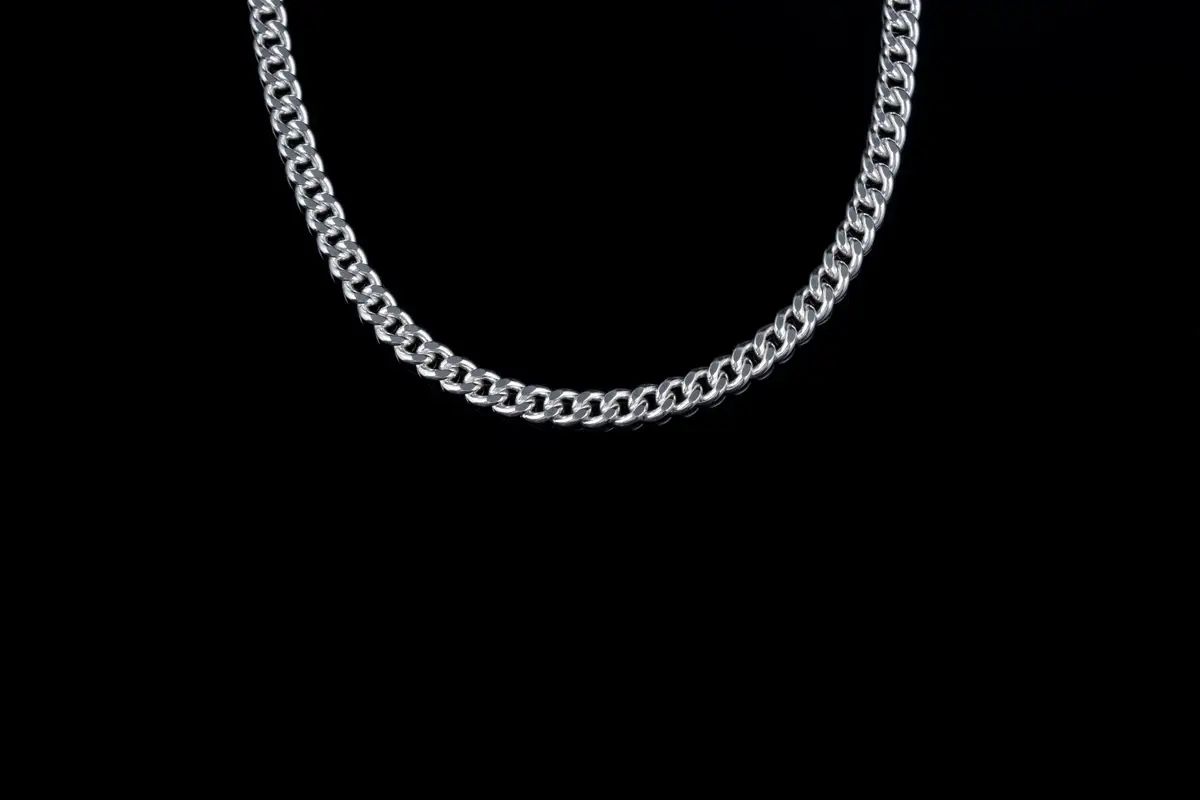
A customer once asked why she should pay silver rates for jewellery that is only 92.5% silver. It is a fair question, and the answer is about strength, not saving money.
Pure silver, at 99.9%, is very soft. You can bend a thin wire of it between your fingers. A payal or a hinged kada in fine silver would stretch, dent and lose its shape within weeks. Adding 7.5% of copper makes the metal much harder while keeping the colour and shine of silver. That alloy is called sterling silver, and it is the standard for jewellery around the world.
So 92.5 is real silver, and the number simply tells you how much of the weight is fine silver. A 38 g payal in 92.5 contains about 35 g of fine silver. When you sell or exchange it, that is what you are paid for. We do sell 99.9 silver, but as coins, bars and puja utensils, which do not need to bend or take knocks.
What to watch for is not 92.5 but anything less that is sold as 92.5. Some cheap silver in markets is 70 or 80%, which tarnishes faster and is worth less at exchange. Ask for the purity and weight on the bill, and ask whether the shop will buy the piece back at the silver rate. We print both on every bill and buy back anything we sell, which is the simplest way for you to know the number is honest.
Keep reading
Hundreds of tiny silver balls, each placed by hand. How Bijay makes the kada that takes our longest to finish.
Wear it often, store it dry and polish it gently: three habits that keep silver bright.
Cuttack’s filigree begins as a silver bar and ends as wire finer than a hair, bent into lace.