Starting Bharatanatyam as an adult
You do not need to have danced as a child. You need patience with your knees and a regular evening free.
New term begins 5 January · Free trial class for every new student
27, 11th Main Road, 4th Block, Jayanagar, Bengaluru 560011
Mon–Fri · 4 pm – 9 pm · Sat–Sun · 7 am – 1 pm
Less costume, more posture: why the first twelve months look slow, and why that is the point.
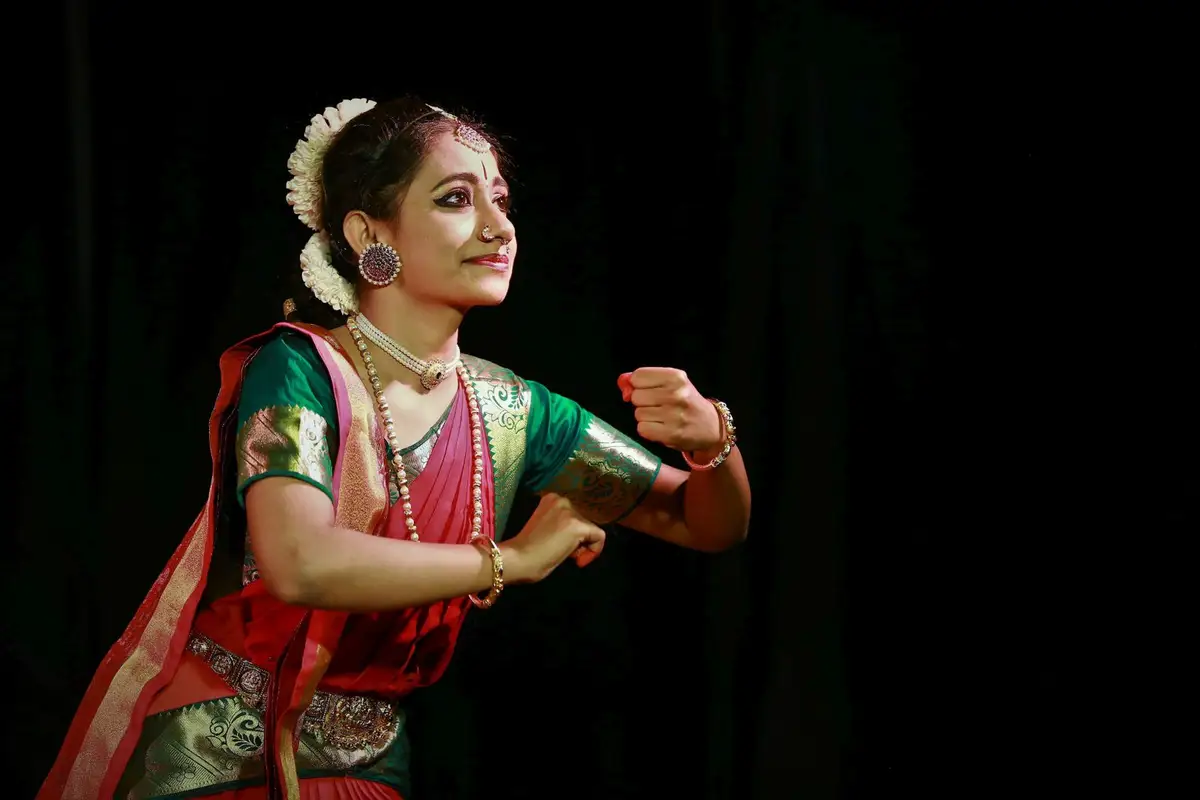
Parents sometimes ask why their child has spent a whole term on the same few steps. The answer is araimandi, the half-seated position that carries almost every movement in Bharatanatyam. Until the legs can hold it comfortably, nothing built on top will be steady.
In the first year, children learn the tattadavu, nattadavu and a handful of other adavus, each in three speeds. They learn to keep time with their feet while the teacher beats the tattukazhi, and to recite the syllables aloud. By March most can perform a short piece at the recital, usually a pushpanjali.
At home, ten minutes a day is plenty. Ask your child to show you one adavu and count it with them. Do not push for splits or deep bends; flexibility comes with time, and forcing it causes injury.
What matters most is turning up every week. Children who miss classes find the next one harder and lose heart. If your family travels, use the make-up classes; any batch in the same month is open to you.
Keep reading
You do not need to have danced as a child. You need patience with your knees and a regular evening free.
From the first conversation to the final bow, what an arangetram takes and what it usually costs in Bengaluru.
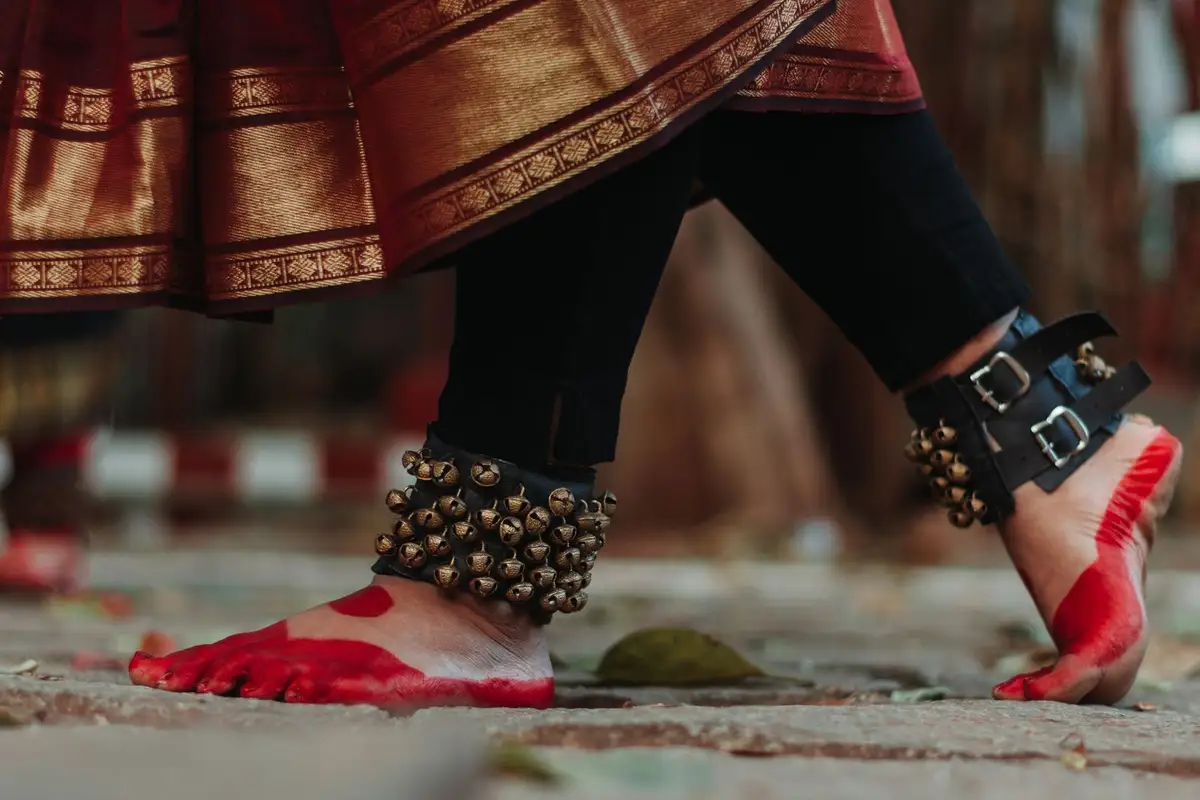
How to store ghungroo so the bells stay bright and the cords hold, and how to wash practice sarees so they last.