What a month of spices costs a family of four
From turmeric to cardamom: how much a Kerala kitchen uses in a month, and what it adds up to at our prices.
Ground every Tuesday in Mattancherry · Free shipping across India above ₹799
6/412 Bazaar Road, Mattancherry, Kochi 682002
Mon–Sat · 9 am – 6.30 pm
Water, a white cloth and your nose: four kitchen tests for turmeric, chilli and pepper, and what they can and cannot tell you.
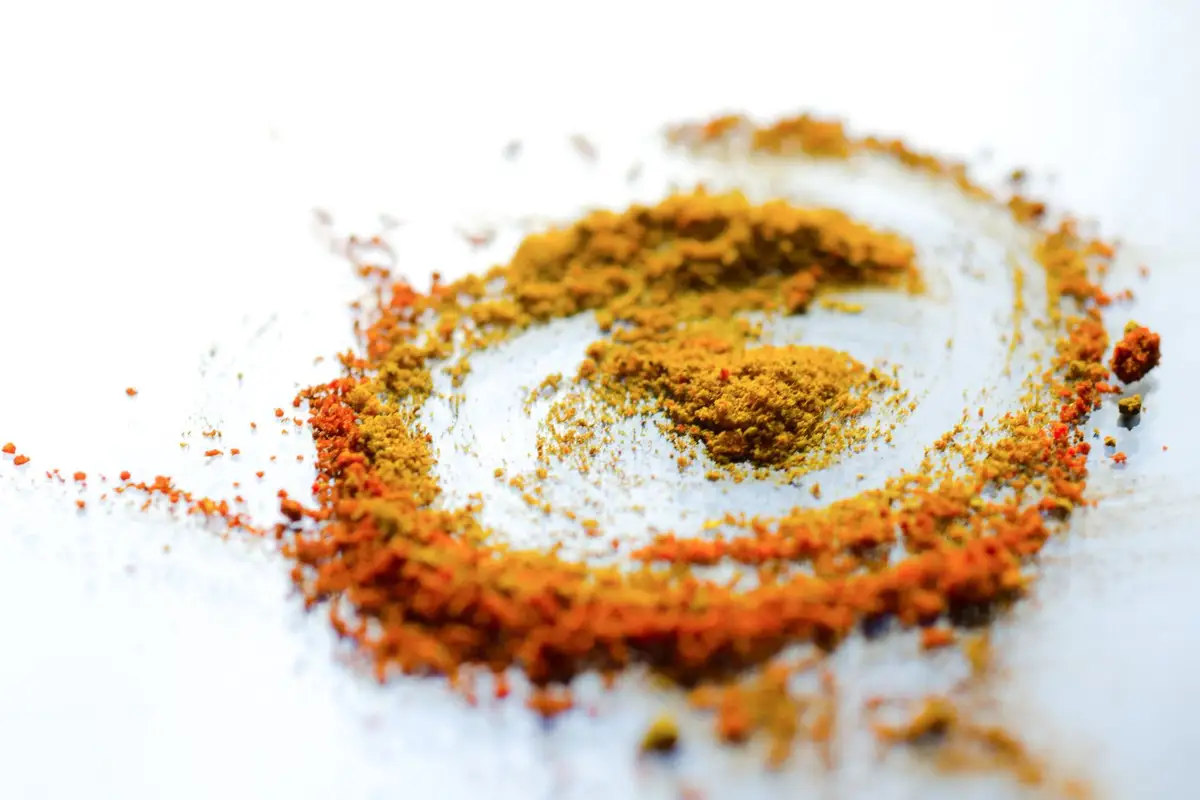
Many customers worry about adulterated spice powders, and with good reason; ground spices are easier to cut than whole ones. A few simple kitchen checks can give you a rough idea, though none of them replaces a laboratory test.
For turmeric, stir half a teaspoon into a glass of warm water and leave it for ten minutes. Pure turmeric settles slowly to the bottom, leaving the water light yellow. If the water turns a strong, bright yellow straight away and stays cloudy, added colour is possible. Rub a pinch between your fingers on a white cloth too; good turmeric leaves an earthy smell and a yellow stain that does not feel gritty.
For chilli powder, sprinkle a spoonful on water. Chilli floats for a while before sinking. Coloured sawdust or brick powder tends to sink straight away and leave streaks of colour, or a gritty residue you can feel when you rub the bottom of the glass.
For whole black pepper, drop a handful into a glass of water. Good, mature corns sink. Light, hollow corns, or papaya seeds sometimes mixed in, float. Papaya seeds are also smoother and more oval than pepper. Our Alleppey turmeric powder is ground from dried fingers we buy whole, and each pack carries its grinding date. If you ever doubt a pack from us, send it back with a note, and we will check it against the lot it came from.
Keep reading
From turmeric to cardamom: how much a Kerala kitchen uses in a month, and what it adds up to at our prices.
Size, smell and a simple float test you can do at home.
What happens to a spice after it is ground, and how to keep powders fresh.