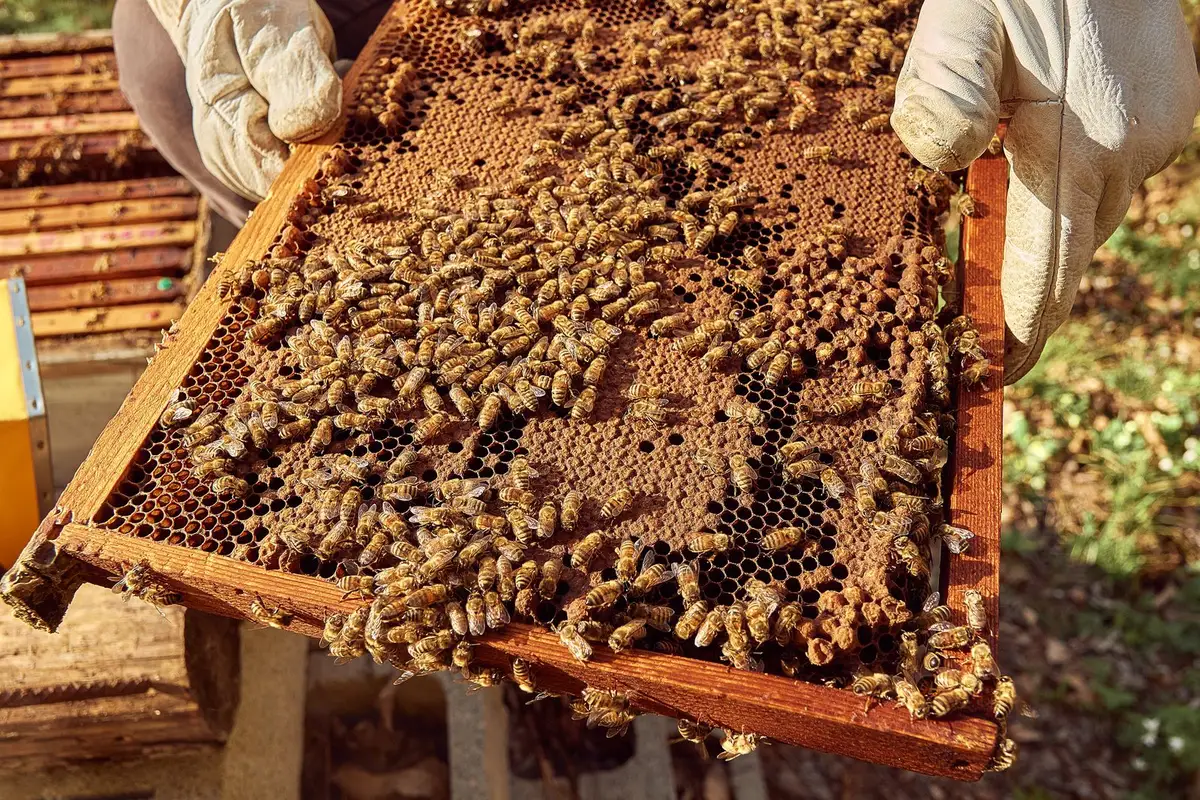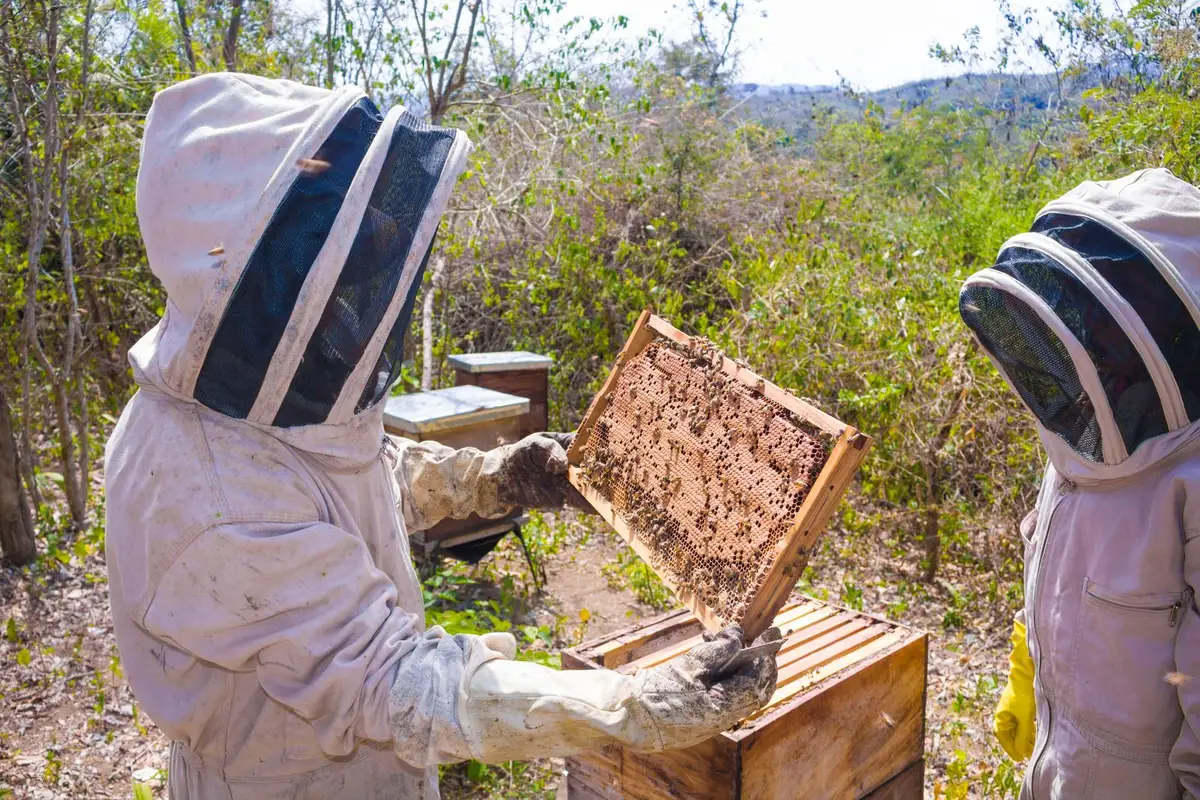
A Saturday morning at the hives: what to expect
Veils, smoke and a frame of bees in your hands. How our hive visit works, and what to wear.
New season rubber honey is in · Free shipping across India above ₹999
22/1140 Mavoor Road, Arayidathupalam, Kozhikode 673004
Mon–Sat · 10 am – 7 pm
Three honeys from three kinds of flowers. How they differ in colour, taste and use, and which to buy first.
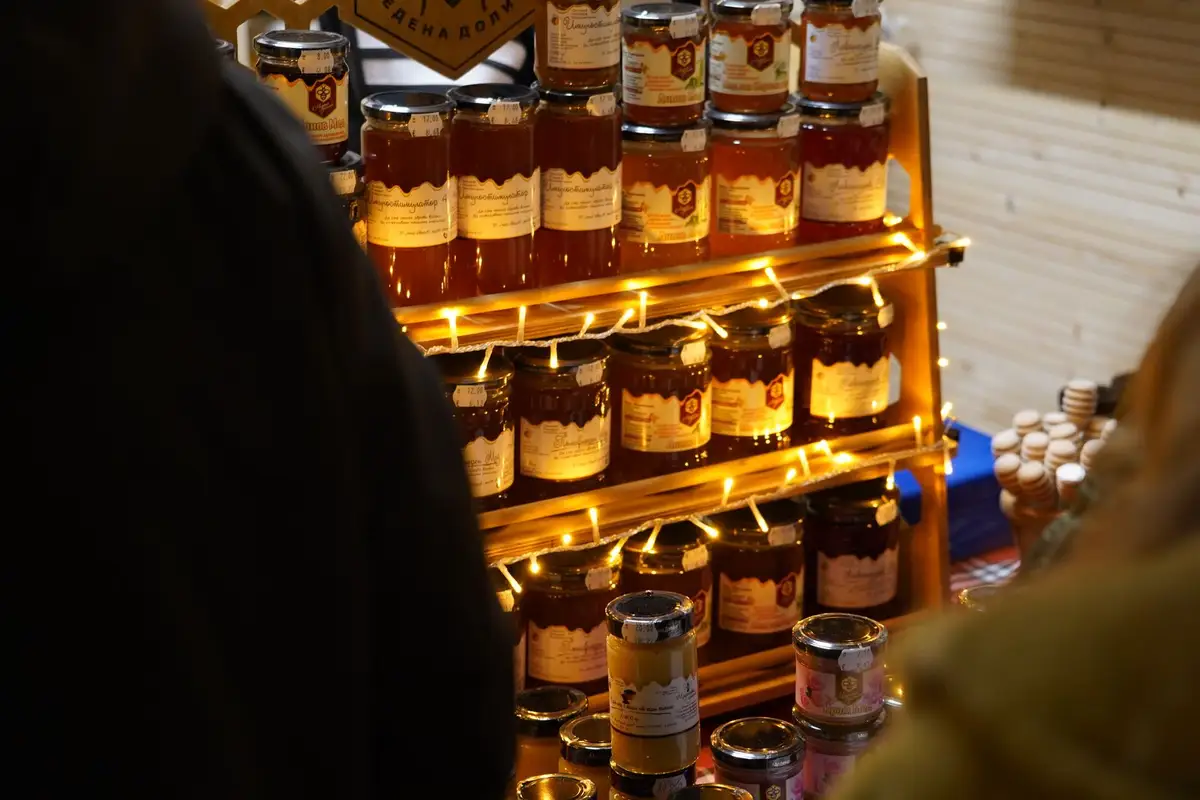
Customers who taste our honeys side by side are often surprised at how different they are. Each one comes from a different set of flowers, and that decides its colour, its taste and how it behaves in the jar.
Rubber blossom honey is the palest, almost the colour of lemon tea, with a mild, clean sweetness. It sets into fine crystals within weeks in cool weather. This is the honey to buy if you want something gentle for tea, curd or a child’s breakfast, and it is the most affordable of ours at ₹420 for 500 g. Multiflora honey, from the forest edge and home gardens after the monsoon, is amber and fuller, with a slightly floral taste that changes a little from batch to batch.
Wild forest honey, collected from rock bee colonies in the Wayanad forests, is dark, thin and strong, with a smoky, slightly bitter finish. Some people love it on its own by the spoon; others find it too much in tea. It stays liquid much longer than rubber honey. At ₹650 for 500 g it costs more, because the collectors climb trees and cliffs to reach the combs.
If you are buying for the first time, take a small jar of rubber and a small jar of forest honey and taste them on plain bread. Most people know at once which they prefer. In our shop on Mavoor Road, you can taste all of them from a spoon before choosing.
Keep reading
Veils, smoke and a frame of bees in your hands. How our hive visit works, and what to wear.
Uncapping, spinning, straining and a moisture check. What happens between the hive and the label.
Hives, harvests, collectors and glass: where the money goes in a ₹650 jar of forest honey.