Why a jar of raw honey costs what it does
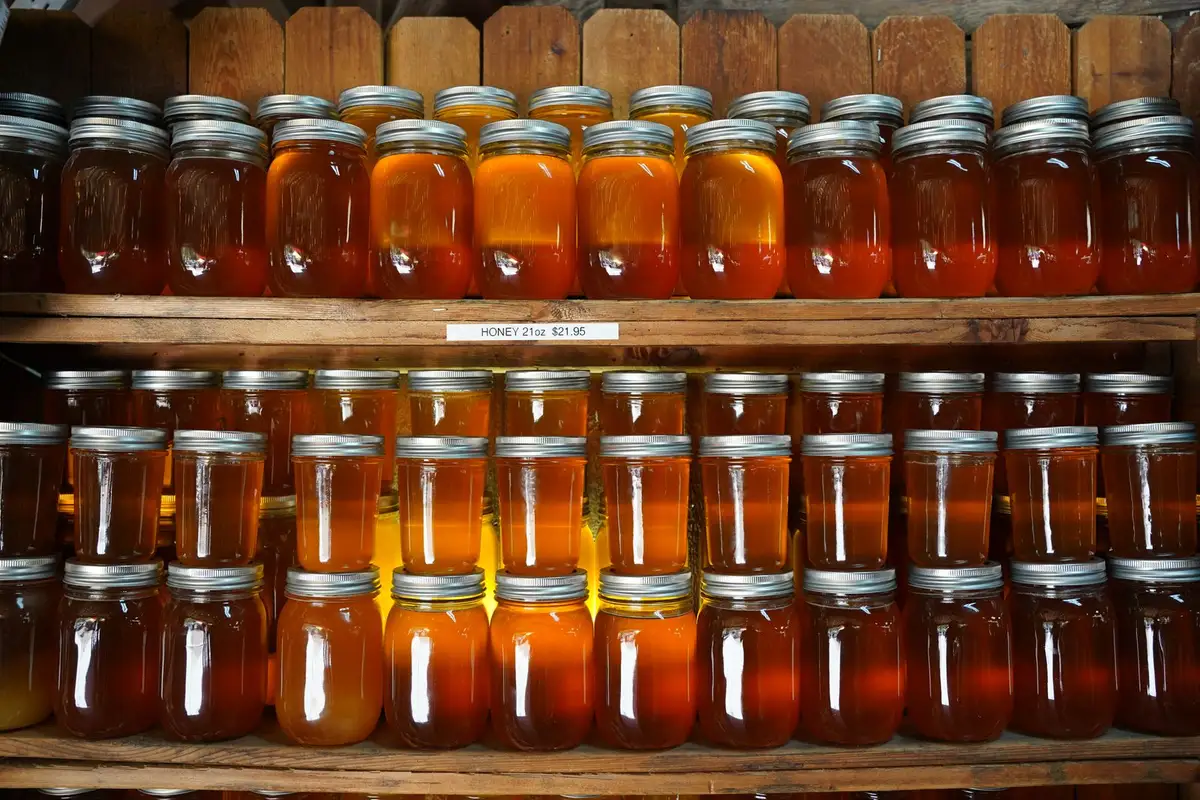
Hives, harvests, collectors and glass: where the money goes in a ₹650 jar of forest honey.
New season rubber honey is in · Free shipping across India above ₹999
22/1140 Mavoor Road, Arayidathupalam, Kozhikode 673004
Mon–Sat · 10 am – 7 pm
Uncapping, spinning, straining and a moisture check. What happens between the hive and the label.
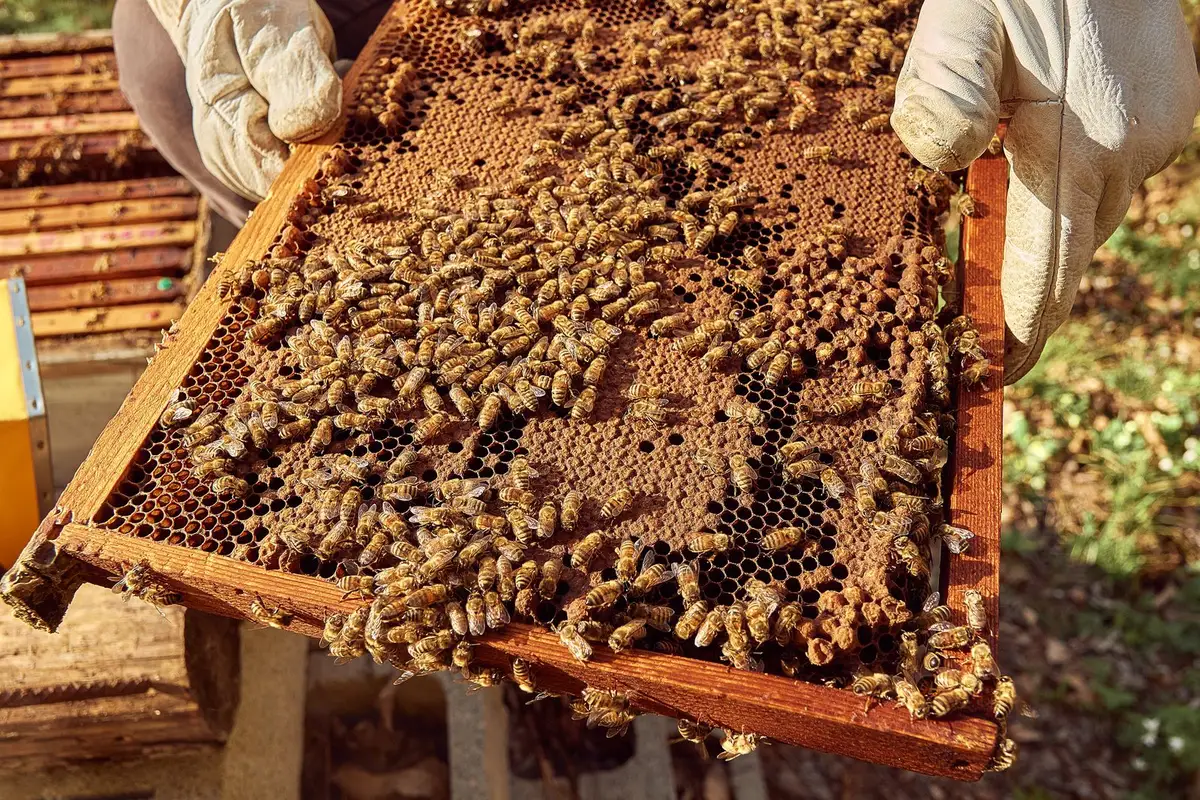
Honey harvest days are long but simple. We take only frames where the bees have capped most of the cells with wax, which tells us the honey has dried enough to keep. Frames that are less than three-quarters capped stay in the hive for another week.
The frames come back to our honey house in closed boxes, so no bees follow. There, Shiji and Faisal slice off the wax caps with a warm knife, and place the frames in a hand-turned extractor, a steel drum that spins them so the honey flies out of the cells against the walls. The comb itself is not destroyed. Empty frames go back into the hives the same day, so the bees can refill them without building new wax.
The honey runs out of the drum through a stainless steel strainer, once, to remove bits of wax and the odd bee. We do not heat it and we do not pass it through fine filters, so the pollen stays in. It rests in a settling tank for two days while air bubbles rise to the top. Before jarring, we check the moisture of each batch with a refractometer. Honey above about 20 percent moisture can ferment, so a wet batch is held back or sold quickly as cooking honey.
Finally the honey is poured into glass jars by hand, sealed and labelled with a batch number, the flowers and the harvest month. A good hive gives us 8 to 10 kg in a strong rubber season, and much less from coffee.
Keep reading
Hives, harvests, collectors and glass: where the money goes in a ₹650 jar of forest honey.
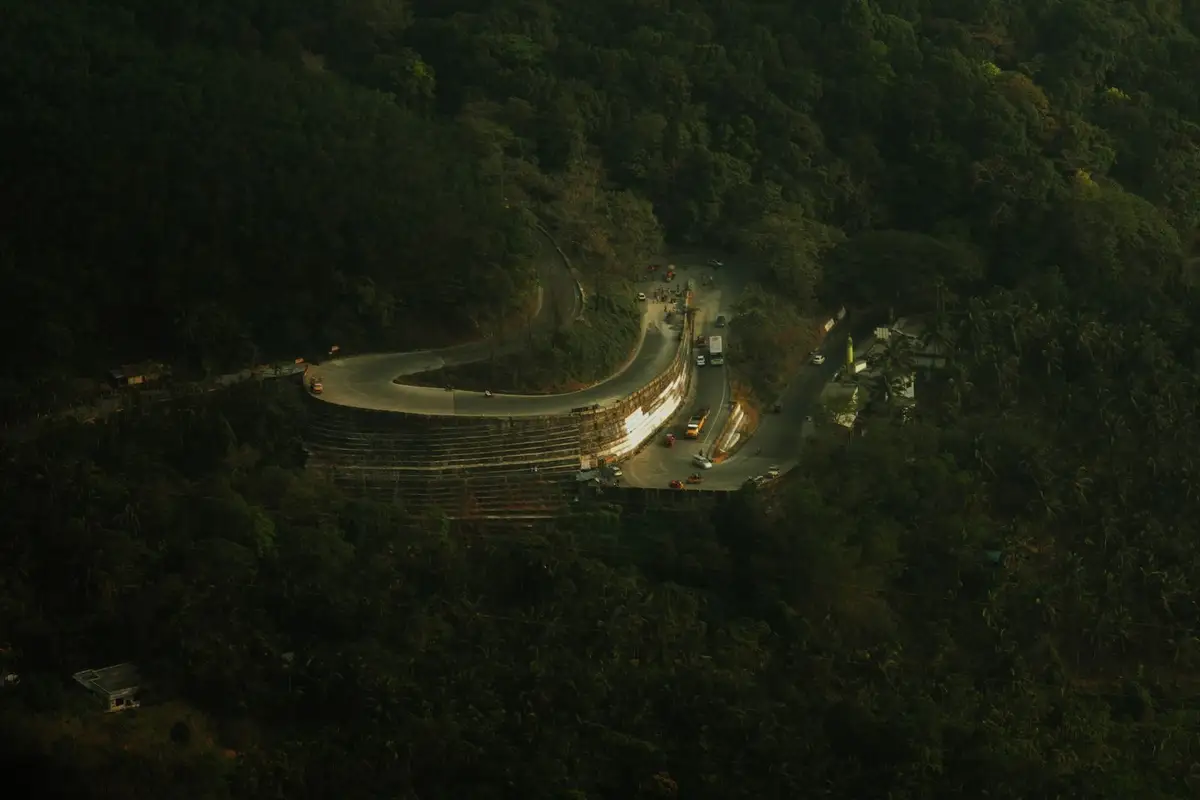
A day’s drive from our shop up the ghat to the coffee country, with stops for honey, food and views.
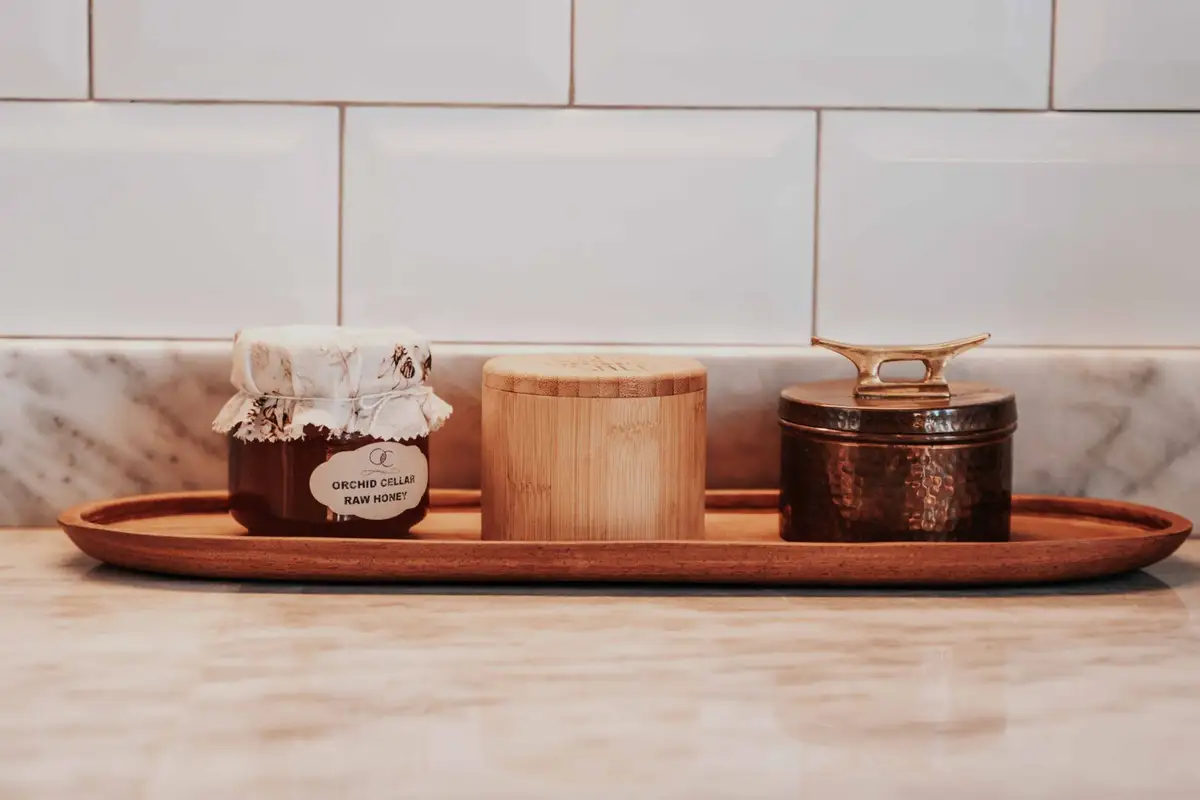
Honey keeps for years, but not forever and not in every condition. How to tell when something is wrong.