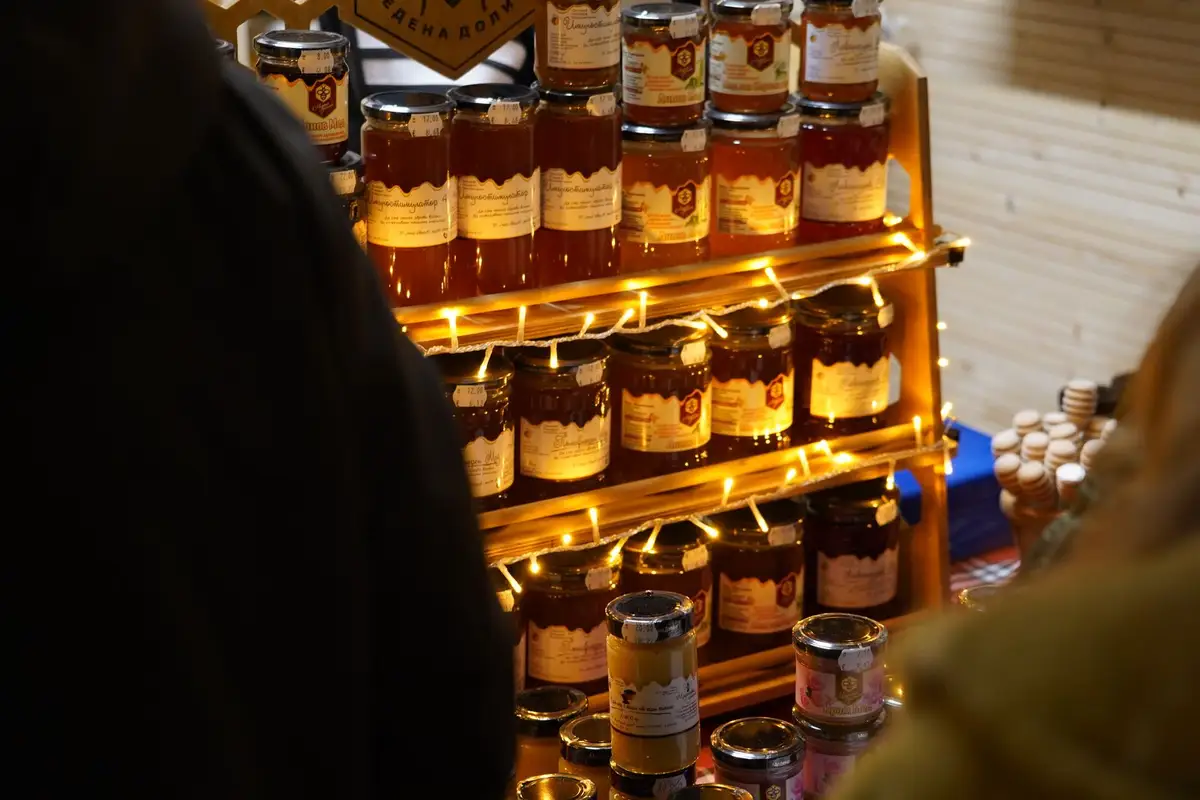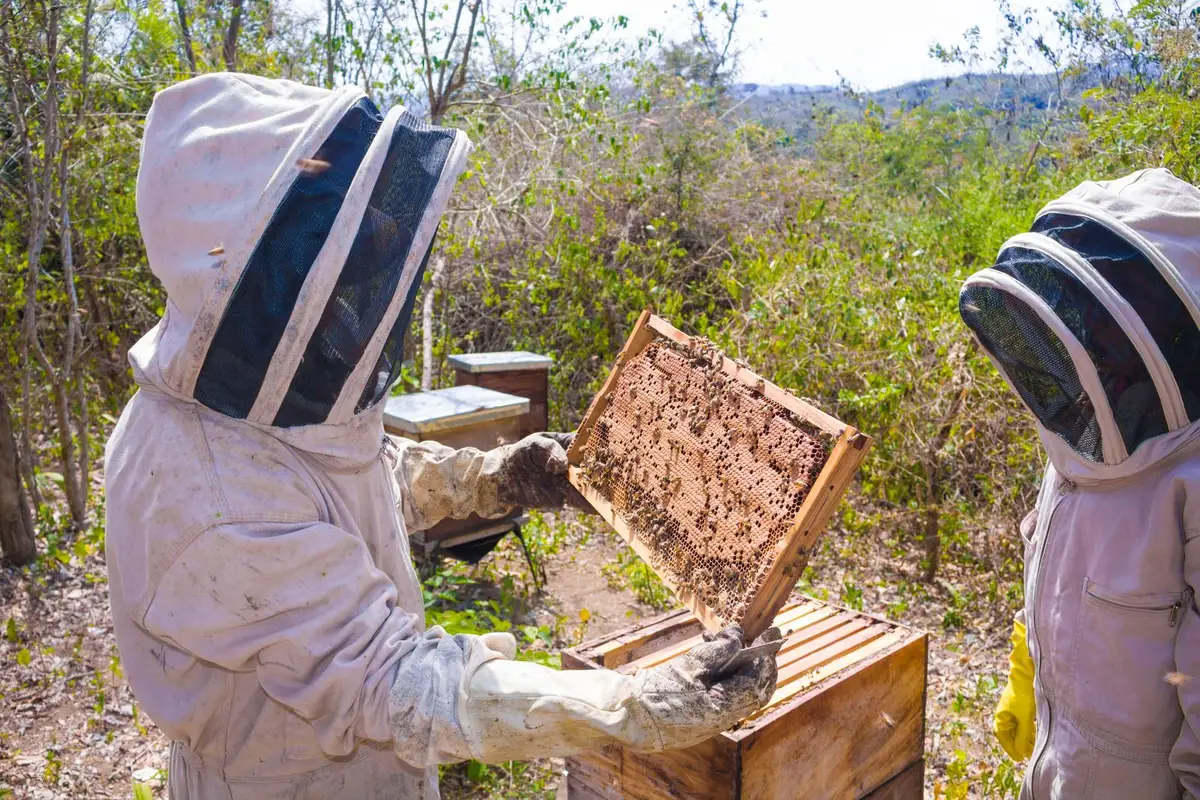
How to spot adulterated honey
Simple checks at home, and why the label matters more than any of them.
New season rubber honey is in · Free shipping across India above ₹999
22/1140 Mavoor Road, Arayidathupalam, Kozhikode 673004
Mon–Sat · 10 am – 7 pm
Rubber, coffee, forest and rest: the seasons that decide how our honey tastes.
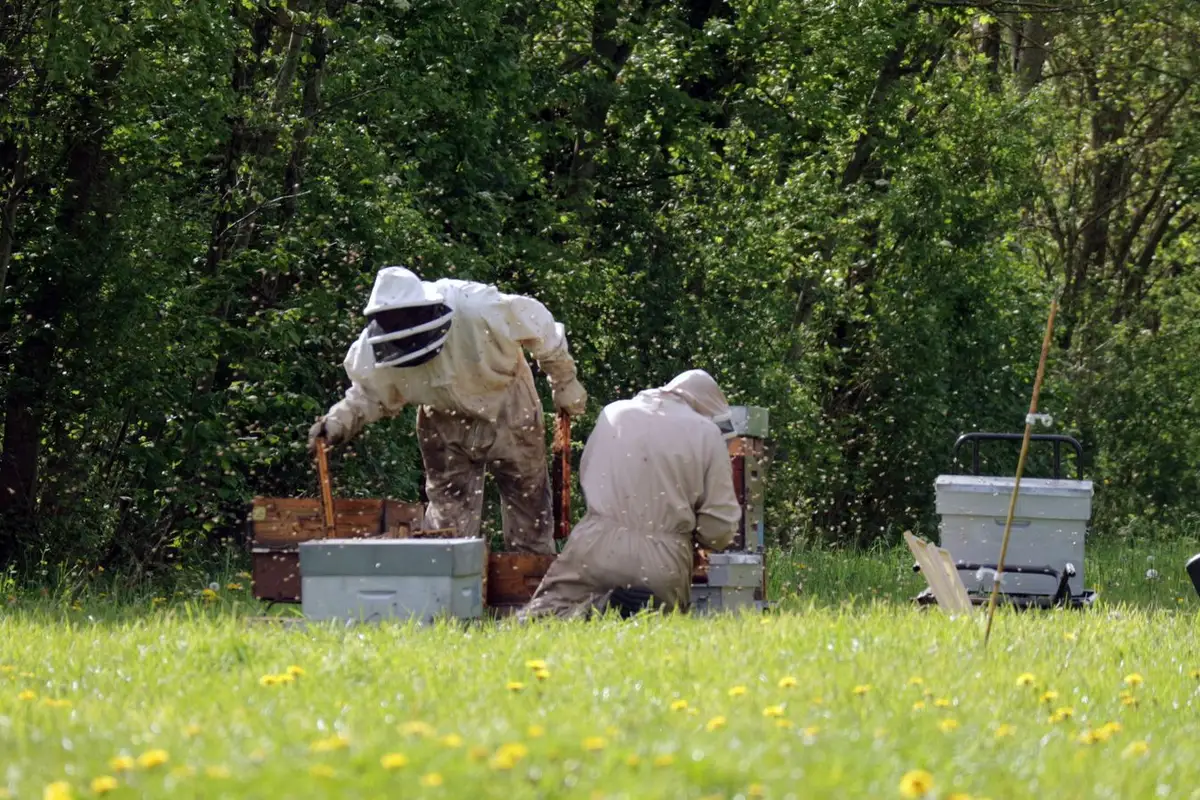
Our honey changes through the year because our bees follow the flowers, and so do we.
In January the rubber estates around Kozhikode flower, and the hives move into them. Rubber honey is our biggest harvest: pale, mild and quick to set. We extract from late January to March.
In March and April the coffee in Wayanad blossoms for a few short weeks, filling the hills with scent. Coffee blossom honey is darker and slightly bitter, and we only get a little of it.
The monsoon, from June to September, is a hard time for bees. There are few flowers and constant rain. We take no honey at all, and sometimes feed weak colonies so they survive.
After the rains, from October, the forest edge and home gardens flower again, giving our multiflora honey. Wild forest honey from the rock bees comes in through the forest cooperatives from March to May.
That is why our shelves change through the year, and why each jar carries the month.
Keep reading
Simple checks at home, and why the label matters more than any of them.
Three honeys from three kinds of flowers. How they differ in colour, taste and use, and which to buy first.
Veils, smoke and a frame of bees in your hands. How our hive visit works, and what to wear.