How to choose a frame for a painting
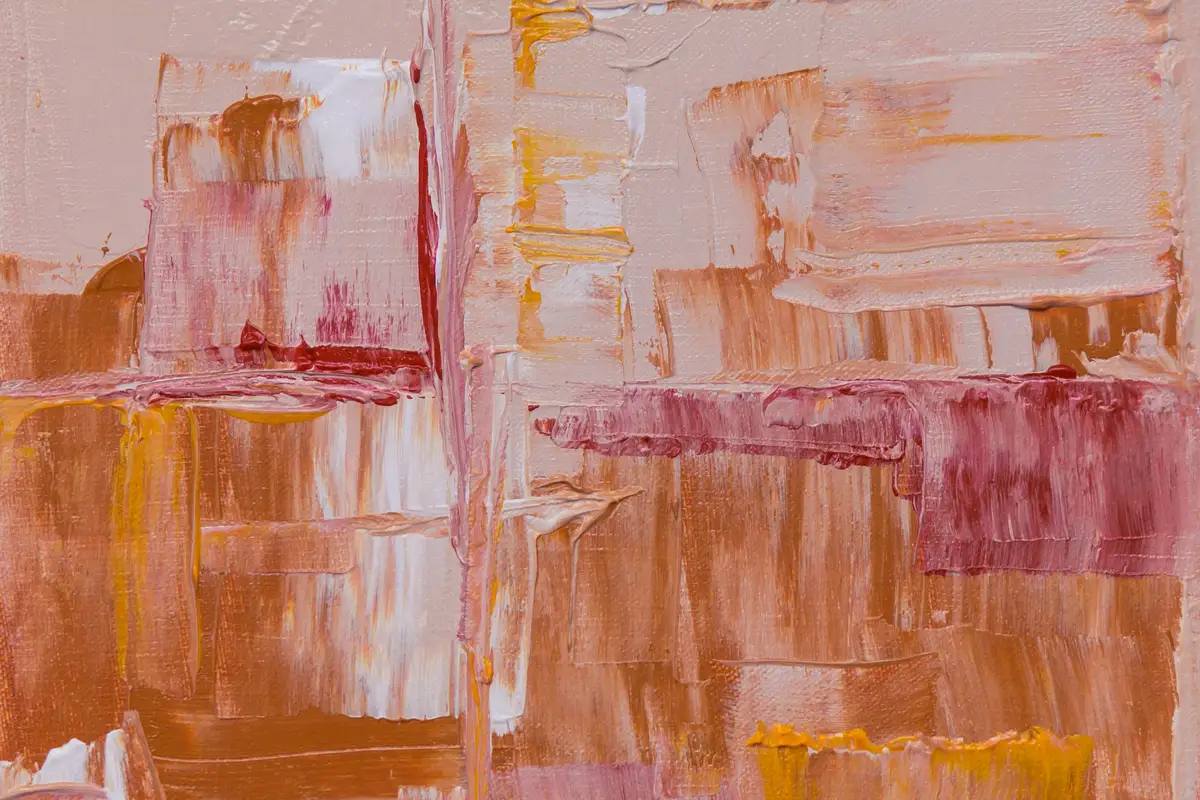
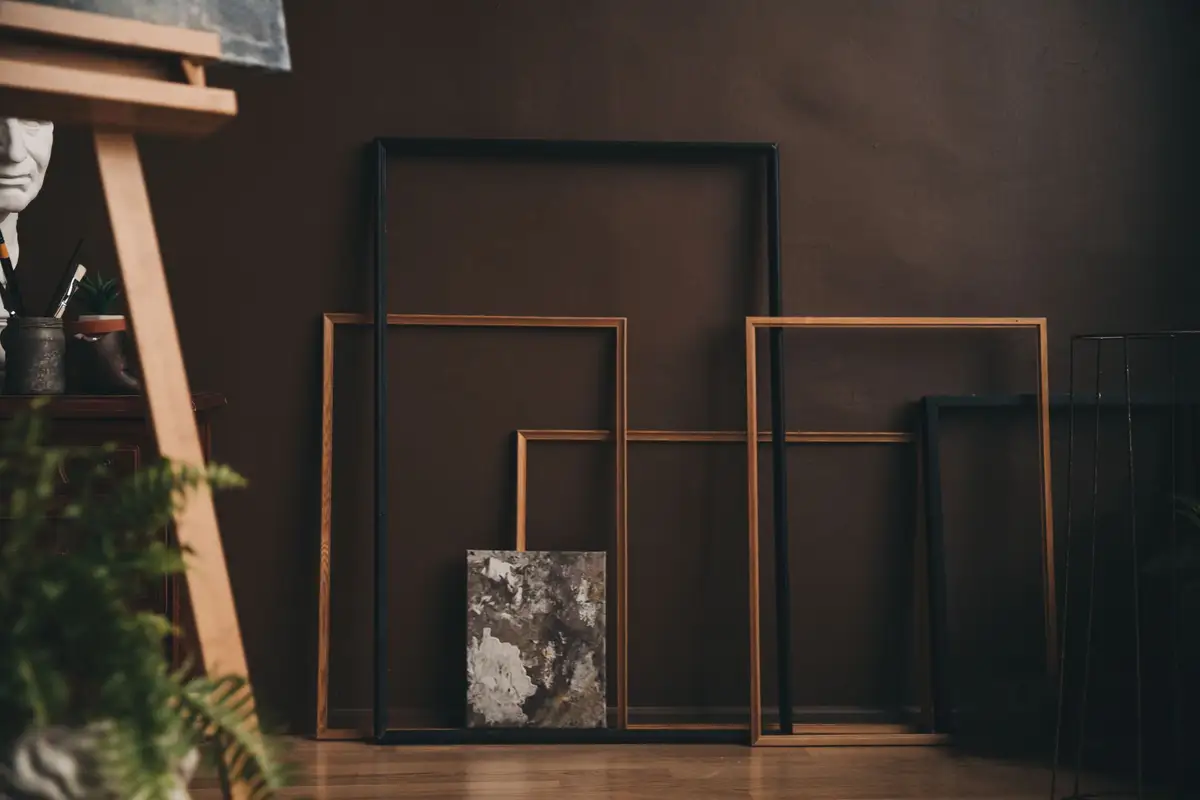
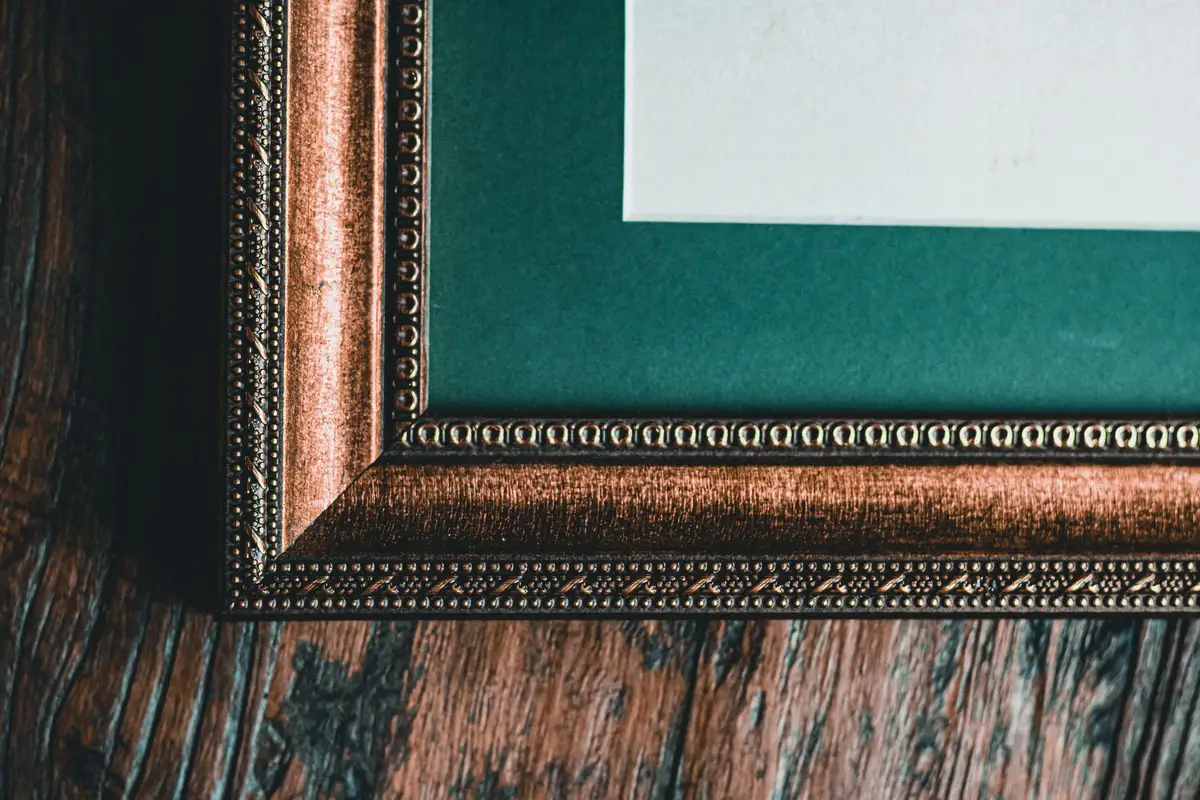
Start with the work, not the room: how we pick moulding, colour and width for a painting.
New show opens 14 November · Framing ready in 10 days · Insured delivery across India
9 Rue Suffren, White Town, Puducherry 605001
Tue–Sun · 10 am – 1 pm, 4 – 8 pm · Mondays closed
How we stitch fabric onto linen without glue, so a family piece can be enjoyed and still kept safe.
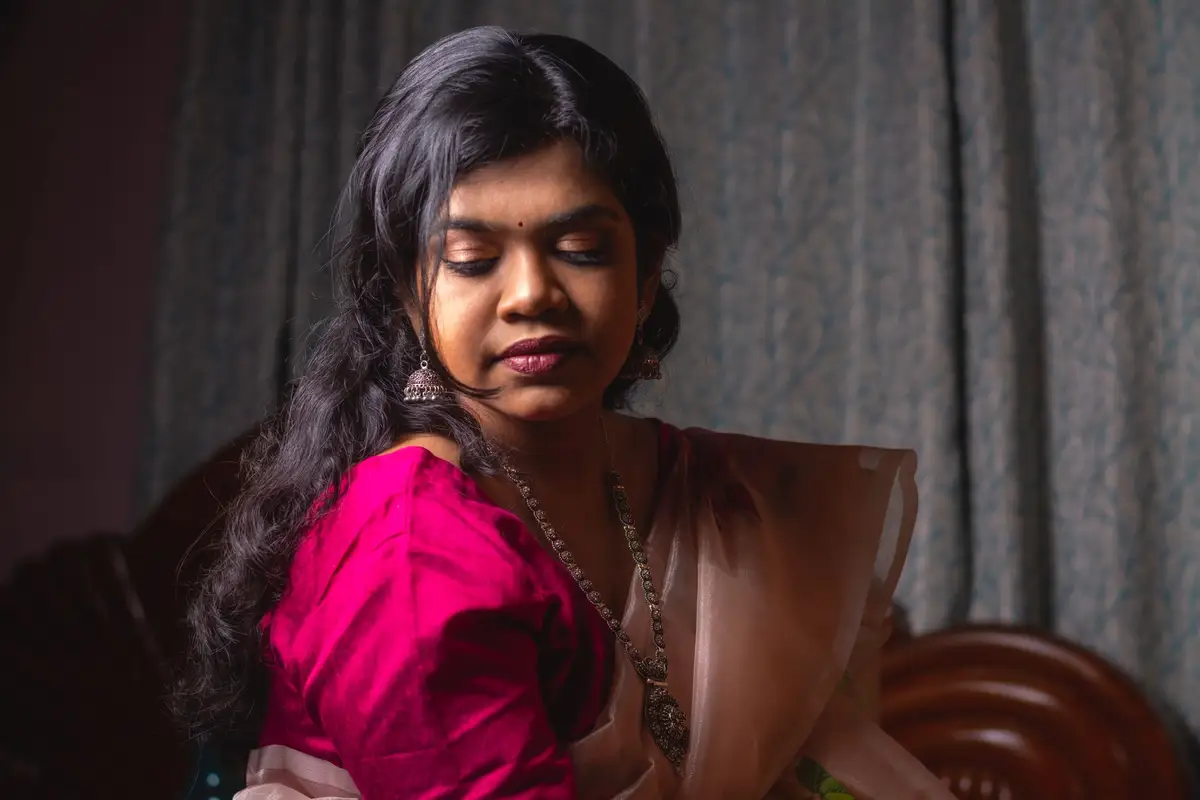
One of the most personal pieces we frame is fabric: a grandmother’s wedding saree border, a piece of a christening gown, a temple cloth, a child’s first frock. People want to see it every day, but they also want it to survive. The method matters.
We never glue textiles. Glue stains, hardens and cannot be undone. Instead, we stretch a piece of washed linen over an acid-free board and stitch the textile onto it by hand with fine silk thread, a stitch every centimetre or so along the edges and through quiet areas of the fabric. The stitches hold it gently and can be cut later if the piece needs to come out.
The frame is a deep shadow box, so the fabric does not touch the glass. Spacers inside the frame leave a gap of 1 to 2 cm, which lets air move and stops condensation marks in the monsoon. We use UV glass for anything with silk or natural dyes, which fade quickly in sunlight.
A saree border of 60 × 90 cm takes about three weeks, mostly for the stitching. Bring the piece in folded in cotton, never plastic, and tell us about any tears or loose zari. We will show you where the stitches will go before we begin.
Keep reading
Start with the work, not the room: how we pick moulding, colour and width for a painting.
Salt, humidity and sun: what the Puducherry climate does to a canvas, and simple ways to protect it.
Moulding, mount, glass and hours at the bench: an honest breakdown of one of our museum frames.