A vessel-buyer’s walk around the Masi streets
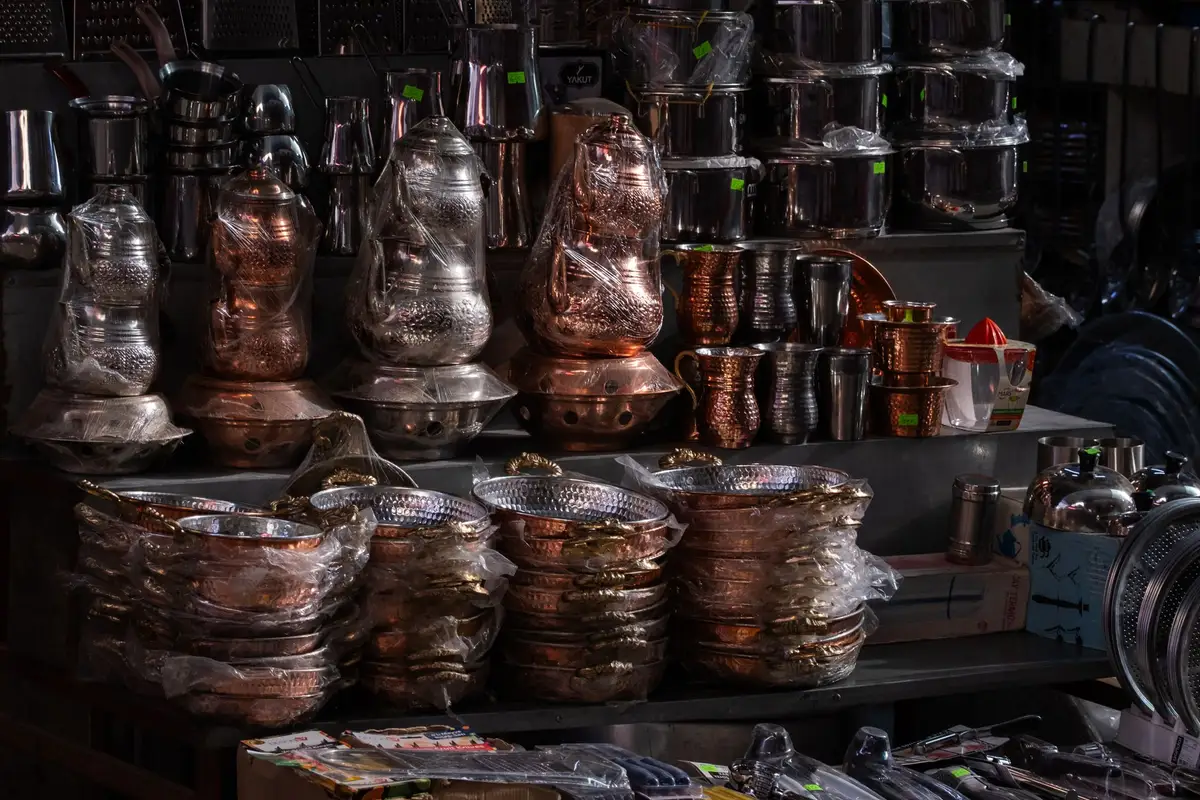
Brass lamps, bronze, iron and steel: what to look for in the streets around the Meenakshi temple, and when to go.
Every iron vessel seasoned before it ships · Free delivery across India above ₹1,999
41 South Masi Street, Madurai 625001
Mon–Sat · 9.30 am – 9 pm · Sun 10 am – 2 pm
Tap, soak, fill and wait overnight: the tests every clay pot goes through in our back room.
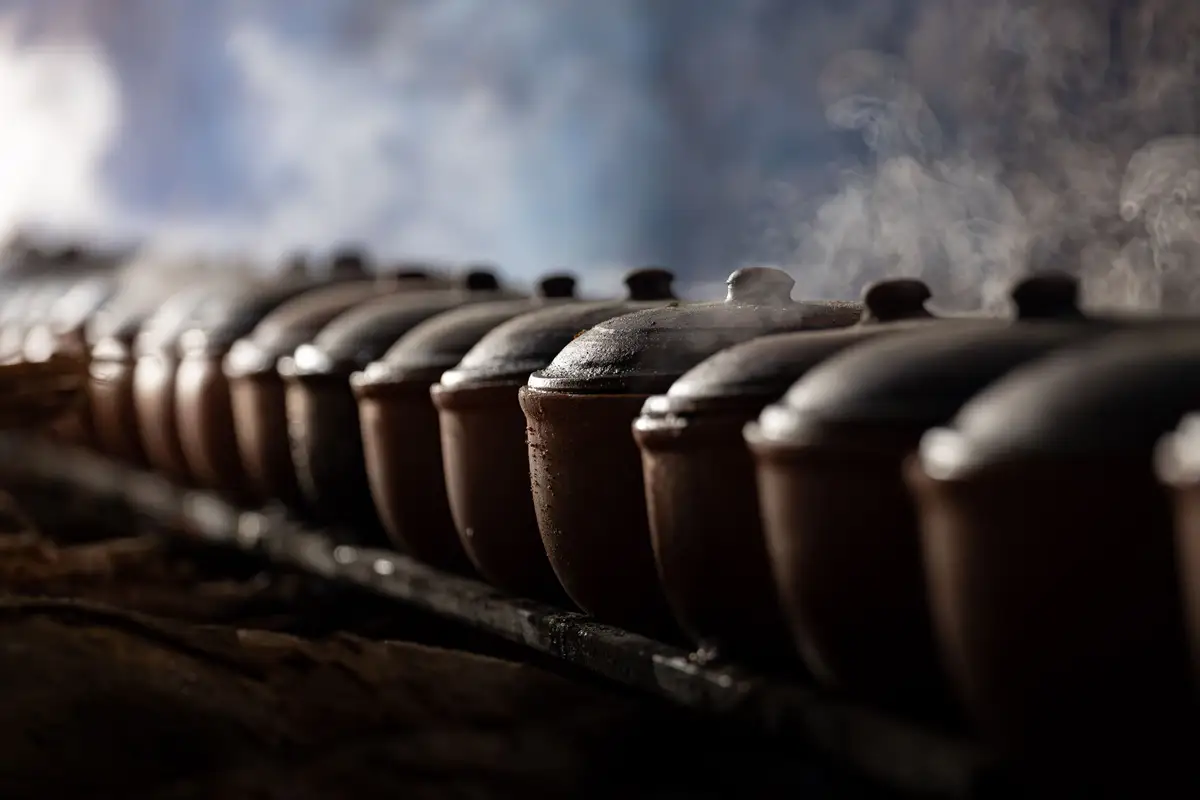
Clay pots are made by hand and fired in kilns, and no two come out exactly the same. Every season some pots have hairline cracks, thin spots or air bubbles that cannot be seen from outside. So every clay pot we sell goes through the same checks in our back room before it is packed.
The first test is the tap. Muthu holds the pot by the rim and taps it gently with a knuckle. A good pot rings with a clear, slightly hollow note. A dull or buzzing sound usually means a crack, and the pot goes to the side. Then he looks at the base and the inside with a torch, checking for pinholes and uneven walls.
Next, each pot is soaked in water for a full night, as you would at home before first use. In the morning it is lifted out, drained and filled with water to the brim, then left on a dry cloth for four hours. If the cloth underneath is wet, the pot leaks and is set aside. About one pot in fifteen fails this way. The good ones are dried in the shade for two days, so they are completely dry before packing.
The last step is packing. Each pot is wrapped in newspaper, then in a layer of corrugated sheet, placed in a box with dried hay around it and the lid packed separately. We have sent clay pots as far as Guwahati and Jammu this way with very few breakages. If one does arrive cracked, send us a photo, and we send another.
Keep reading
Brass lamps, bronze, iron and steel: what to look for in the streets around the Meenakshi temple, and when to go.
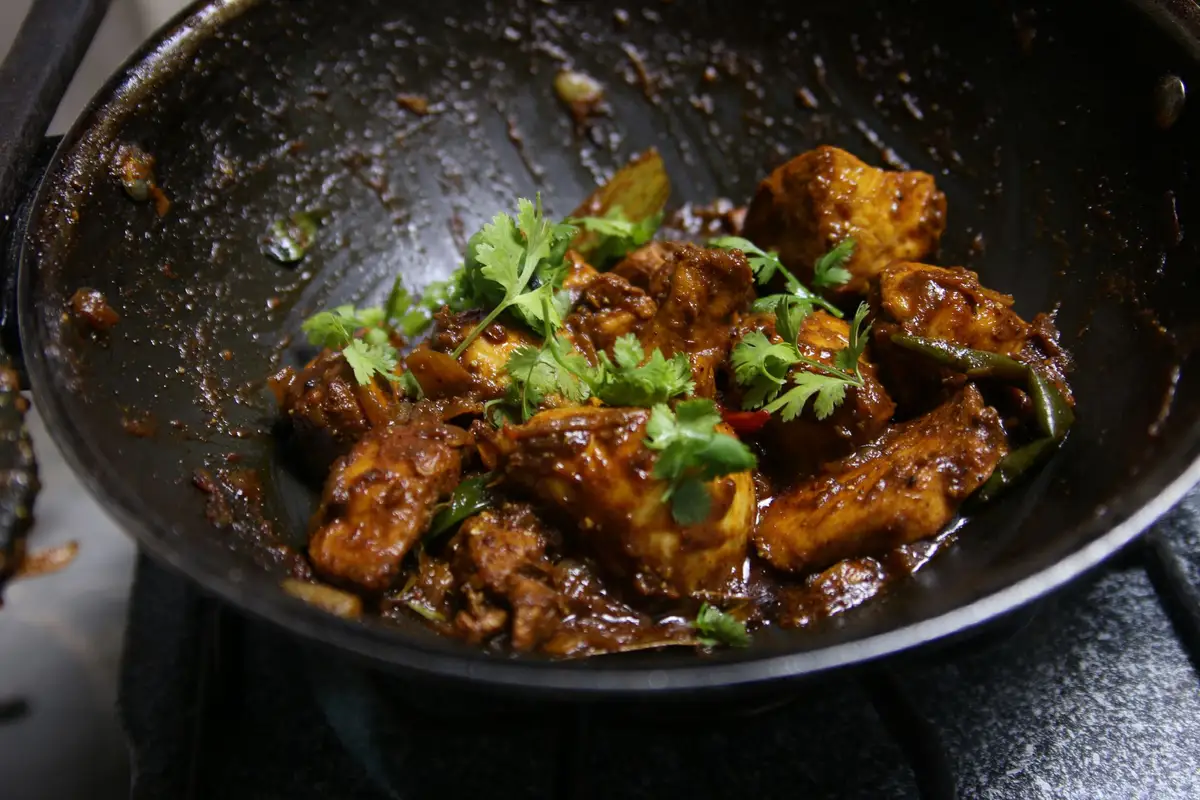
Why some dishes darken in an iron kadai and others do not, and how to cook in iron without the metallic taste.
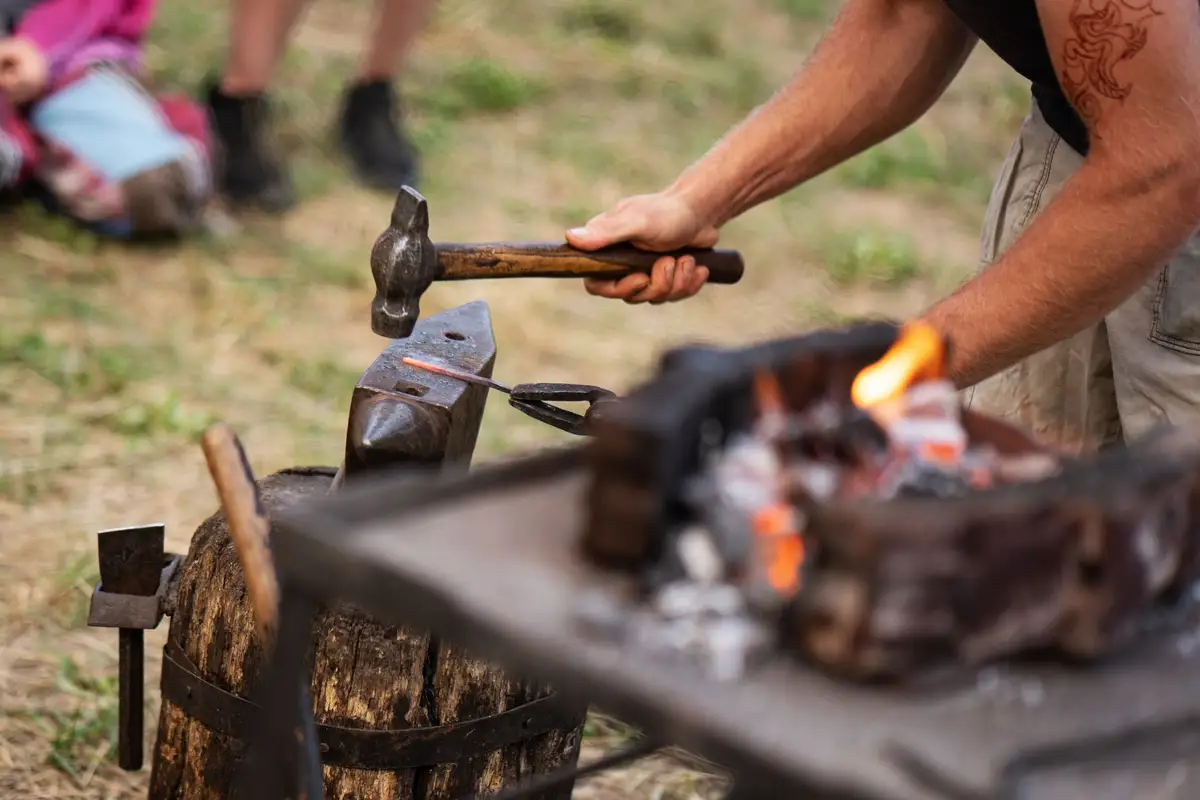
Steel sheet, the smith’s hours, our seasoning and the weight in your hand: what you pay for in an iron kadai.