A Pongal week from the farm box
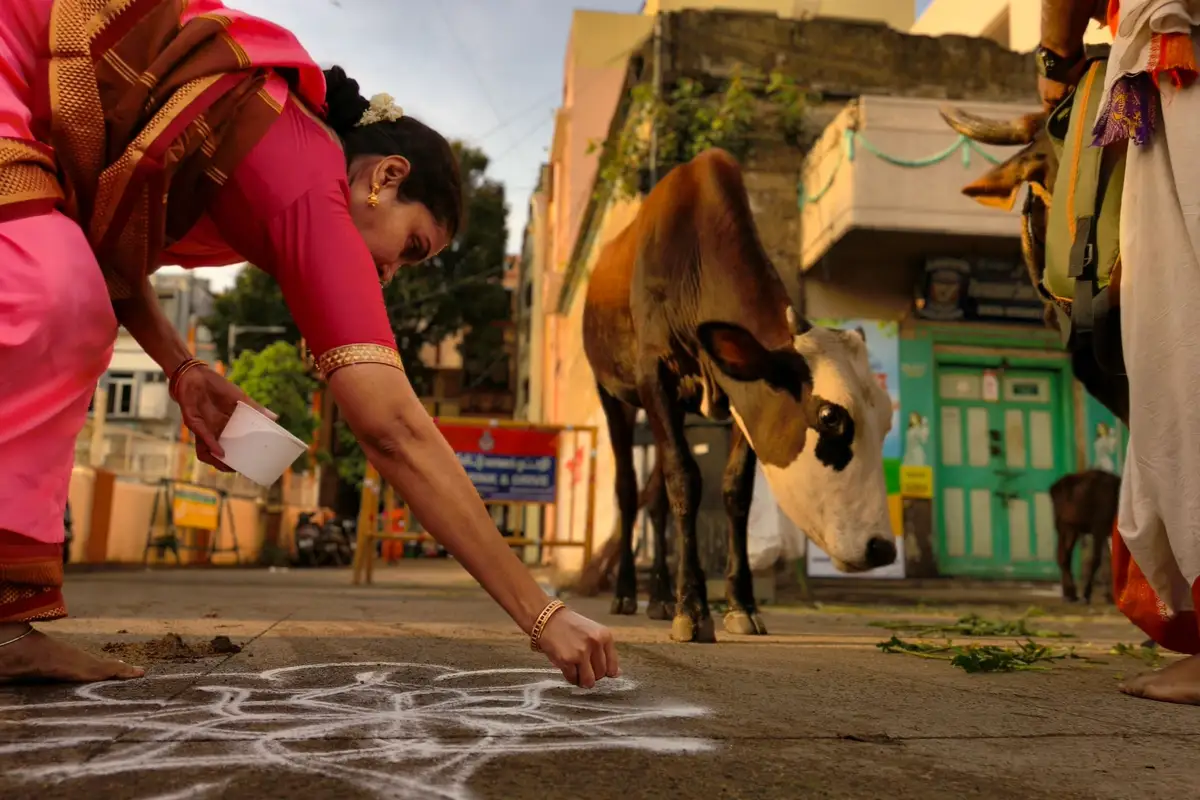
Sugarcane, new rice, turmeric plants and the vegetables for kootu: what we pack for Pongal and how to use all of it.
Farm box delivered every Thursday · Free delivery above ₹799
30 Mettupalayam Road, Coimbatore 641043
Mon–Sat · 8 am – 8 pm · Sun 8 am – 1 pm
Colour, crystals, foam and the label. What tells you a honey is raw, and why ours never looks the same twice.
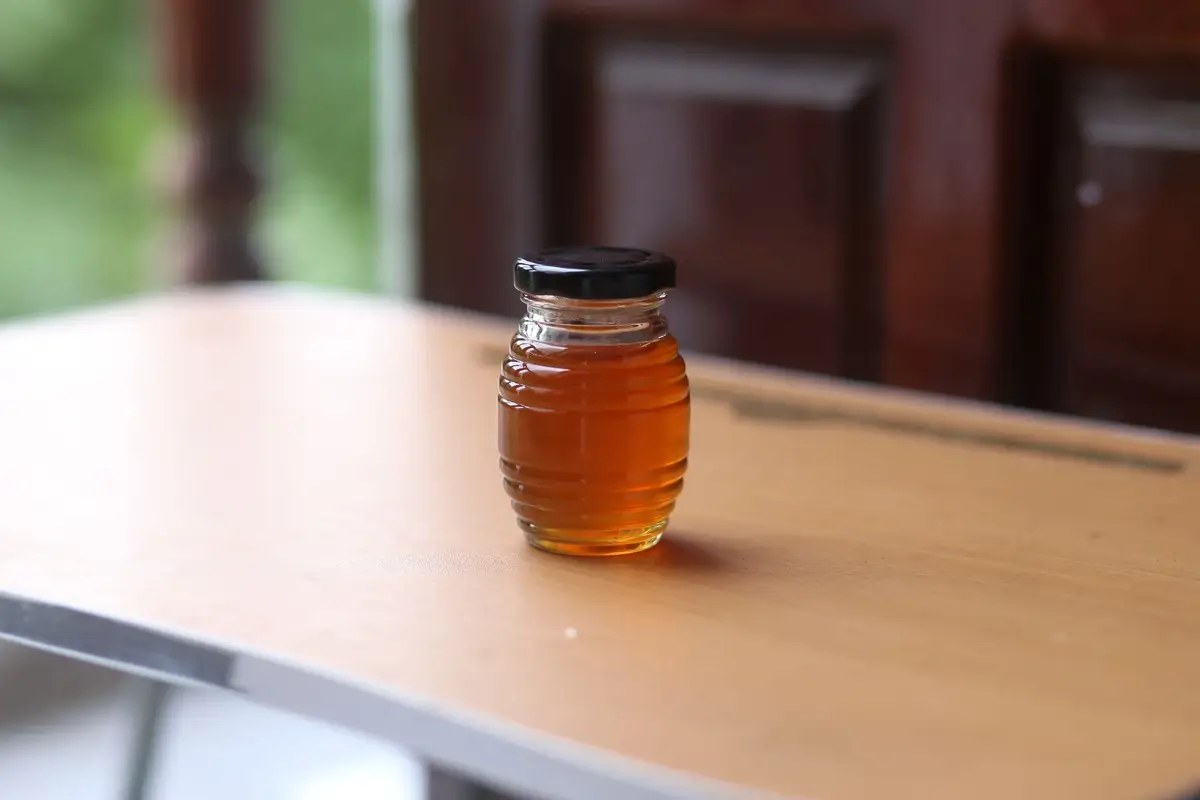
Customers sometimes write to us worried that their jar of wild forest honey looks different from the last one. Darker, lighter, thicker, or half set into crystals. That is exactly what raw honey should do, and it is the easiest way to tell it apart from processed honey on a shop shelf.
Most bottled honey is heated and finely filtered so that it stays clear and runny for a year. Heating also changes the taste and flattens the differences between seasons. Raw honey is only strained through cloth to remove wax and bits of comb. Ours is collected by Kurumba honey gatherers in the Nilgiris, and its colour follows the flowers. Honey from the March and April flowering is pale and light; honey from the post-monsoon flowering is dark and strong.
There are a few signs worth knowing. Raw honey usually crystallises in the cool months, starting at the bottom of the jar. A thin layer of white foam on top is natural and harmless. A clear honey that never sets, in any weather, has probably been heated.
Read the label too. Look for where it was collected and when, not just a brand name. Words like “natural” mean very little on their own. Our jars carry the forest area and month of collection. At ₹520 for 500 g it costs more than shop honey, because each hive gives only a few kilos a year.
Keep reading
Sugarcane, new rice, turmeric plants and the vegetables for kootu: what we pack for Pongal and how to use all of it.
From the first farm van at noon to the last delivery bike at 11 am Thursday, here is what happens to your vegetables in between.
What happens on our monthly visit to a partner farm, what to bring, and how to make it a good day for children.