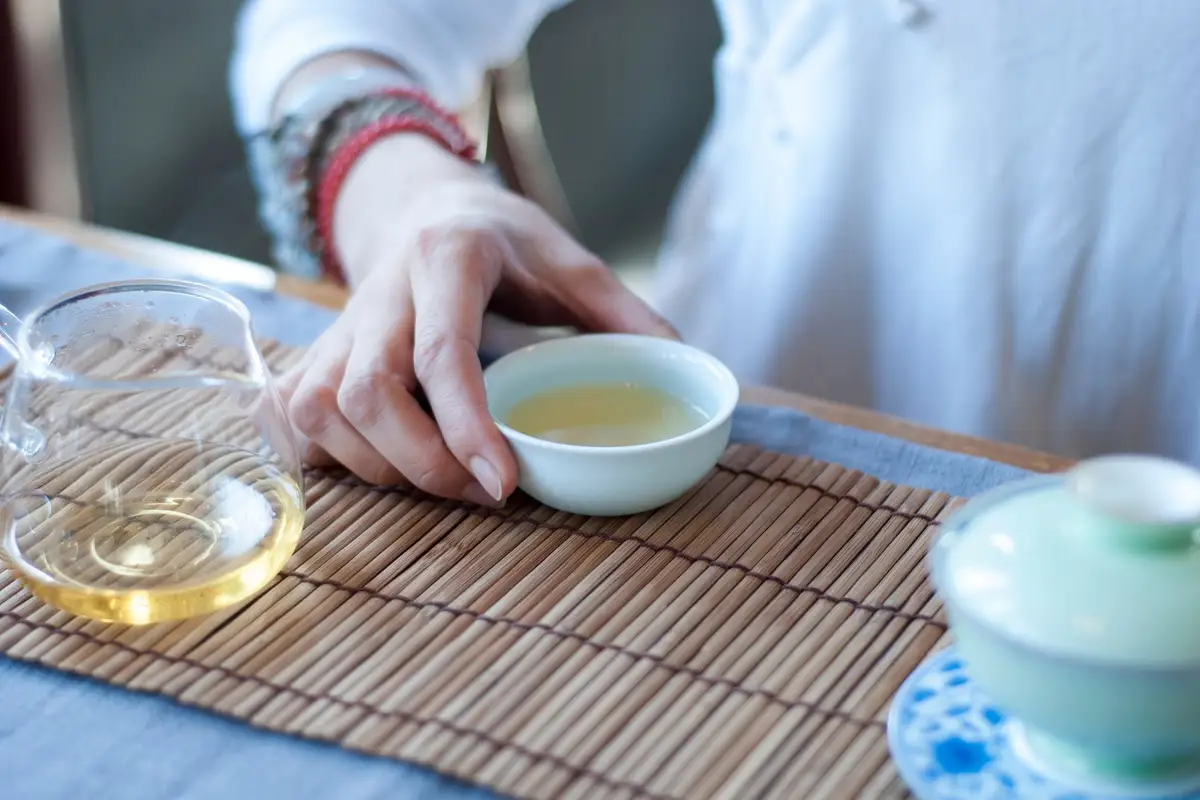
How to brew Darjeeling properly
Less leaf, cooler water and a timer: three changes that make a difference.
Darjeeling first flush 2026 has arrived · Free shipping across India above ₹999
19B Park Street, Kolkata 700016
Every day · 10 am – 8 pm
How picking, small harvests and air freight shape the price of spring tea, explained line by line.
Our Darjeeling first flush is the most expensive tea on our shelf, at ₹780 for 100 g, while our Assam orthodox is ₹520 for 250 g. Customers reasonably ask why. The answer lies mostly in the garden.
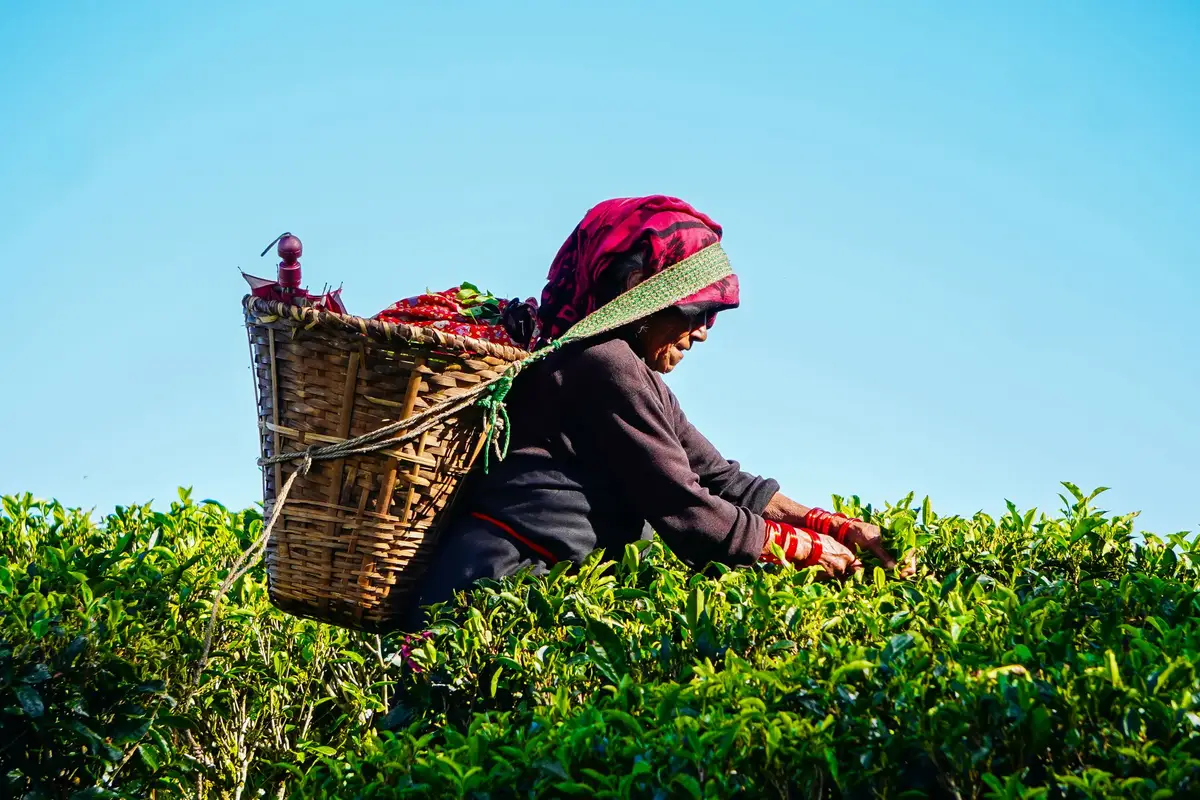
First flush is picked in March and April, when the bushes put out their first shoots after winter. Pluckers take only two leaves and a bud, and the bushes grow slowly in the cool spring air, so each plucker brings in far less leaf per day than in summer. Darjeeling gardens are also steep, often at 1,500 m or more, which makes plucking slower again. Roughly 22,000 shoots go into one kilo of made tea.
The harvest is small. A garden might make only a few hundred kilos of a particular first flush lot, and buyers from many countries compete for the best ones. The lot we bought this spring cost us ₹4,200 per kilo at the garden, before transport.
From there, costs add up. Road transport down the hills to Kolkata in sealed sacks, the loss of tea to tasting and sampling, our weekly packing in small airtight pouches, labels and storage come to about ₹900 per kilo. Our shop on Park Street, staff, GST and payment fees take another share, and our margin is the rest. That brings 100 g to ₹780, which makes about 50 cups at 2 g a cup, and close to 100 if each pot is steeped twice. That works out to between ₹8 and ₹16 a cup, less than a cup of coffee at most cafés in the city.
Keep reading
Less leaf, cooler water and a timer: three changes that make a difference.
Why tasters slurp, and what they listen for in a cup.
Strong, sweet and boiled: how the city’s roadside tea is made at home.