Pujo at home: tea for a houseful of guests
Brewing in quantity, keeping it hot and choosing teas that suit relatives, neighbours and late-night pandal hoppers.
Darjeeling first flush 2026 has arrived · Free shipping across India above ₹999
19B Park Street, Kolkata 700016
Every day · 10 am – 8 pm
How the three picking seasons taste different in the cup, and which one to choose for mornings, guests or milk.
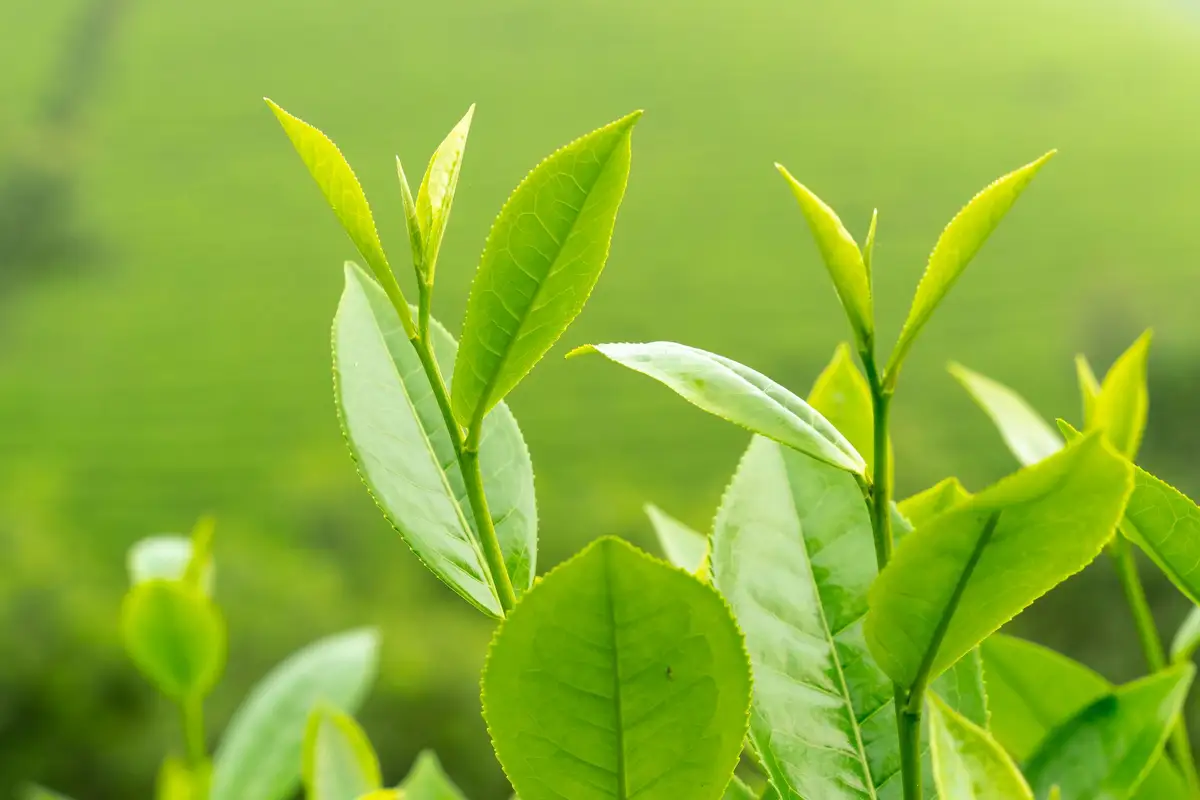
Darjeeling is not a single taste. The same bushes give very different teas depending on the season they are picked in, and the season, called the flush, is printed on every pack we sell. Here is how to choose between them.
First flush is picked in March and April, after the bushes wake from winter. The leaf is young and tender, and it is withered lightly, so the dry tea looks greenish and the cup is pale gold. It tastes bright, floral and brisk, a little like fresh green grapes. It is best plain, at 90 °C for three minutes, and it suits a quiet morning or a late afternoon. Our first flush costs ₹780 for 100 g.
Second flush is picked in May and June. Warmer weather and fuller leaves give a darker, rounder cup with the ripe grape note Darjeeling is known for, often called muscatel. It is the most forgiving of the three, comfortable with water at 95 °C and happy with a dash of milk if you like. If you are buying one Darjeeling for a household, this is the one. It costs ₹690 for 100 g.
Autumn flush follows the monsoon, in October and November. The leaf grows slowly in cool, dry weather, and the cup is coppery, mellow and woody, with less sparkle than spring tea but more body. It is the least expensive Darjeeling and the most relaxed to brew. We stock it from December, in small lots, and it suits the cold weeks of the Kolkata winter well. At our Sunday tasting you can try all three side by side.
Keep reading
Brewing in quantity, keeping it hot and choosing teas that suit relatives, neighbours and late-night pandal hoppers.
The week after a lot arrives in Kolkata, from opening the chest to the pouch with the garden and flush on it.
Two hours on foot through the part of Kolkata where India’s tea trade grew up, with stops for cha along the way.