Toilet training and preschool: how we handle it
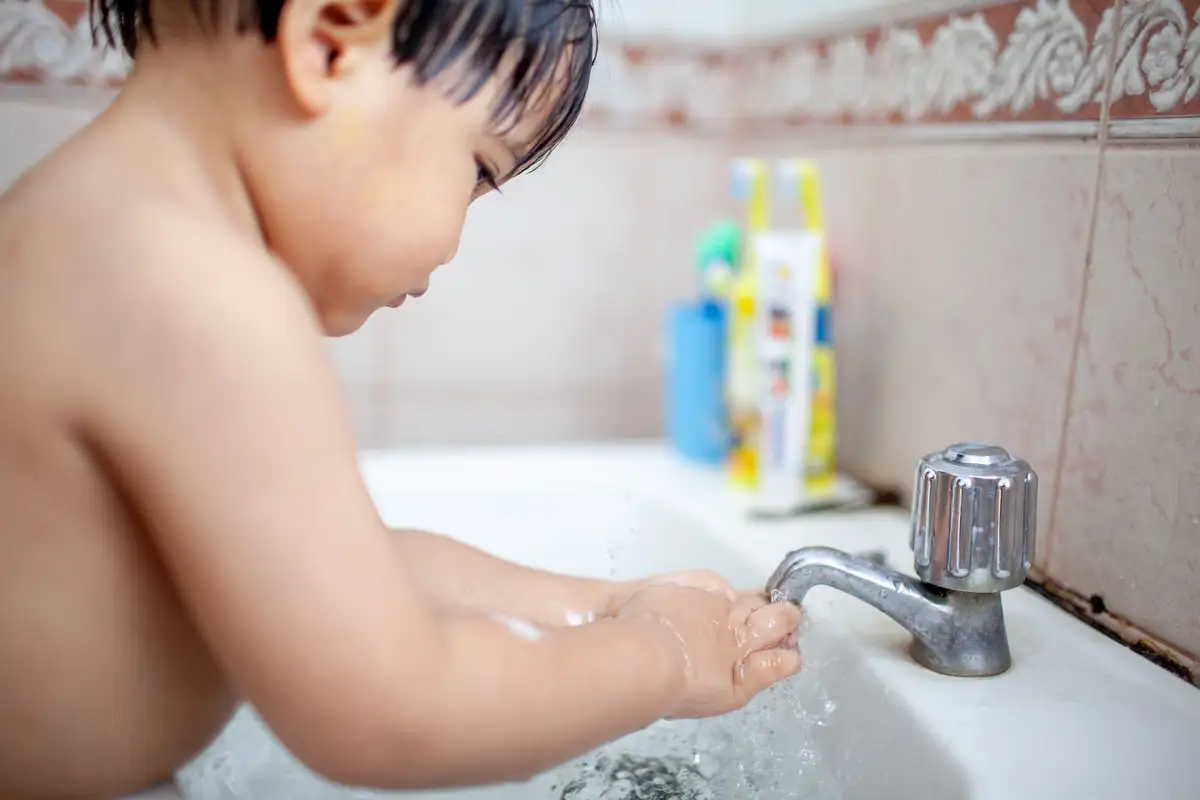
Not trained yet at two? Here is how our teachers help, what we ask from home, and why accidents are part of it.
Admissions open for June 2027 · Visit any weekday morning, 10 to 11.30 am
9-29-14 Balaji Nagar, Siripuram, Visakhapatnam 530003
Mon–Fri · 8.30 am – 6.30 pm · Sat 10 am – 12 noon
Watering cans, bean seeds and a lot of mud: what three- and four-year-olds learn from growing food in the garden.
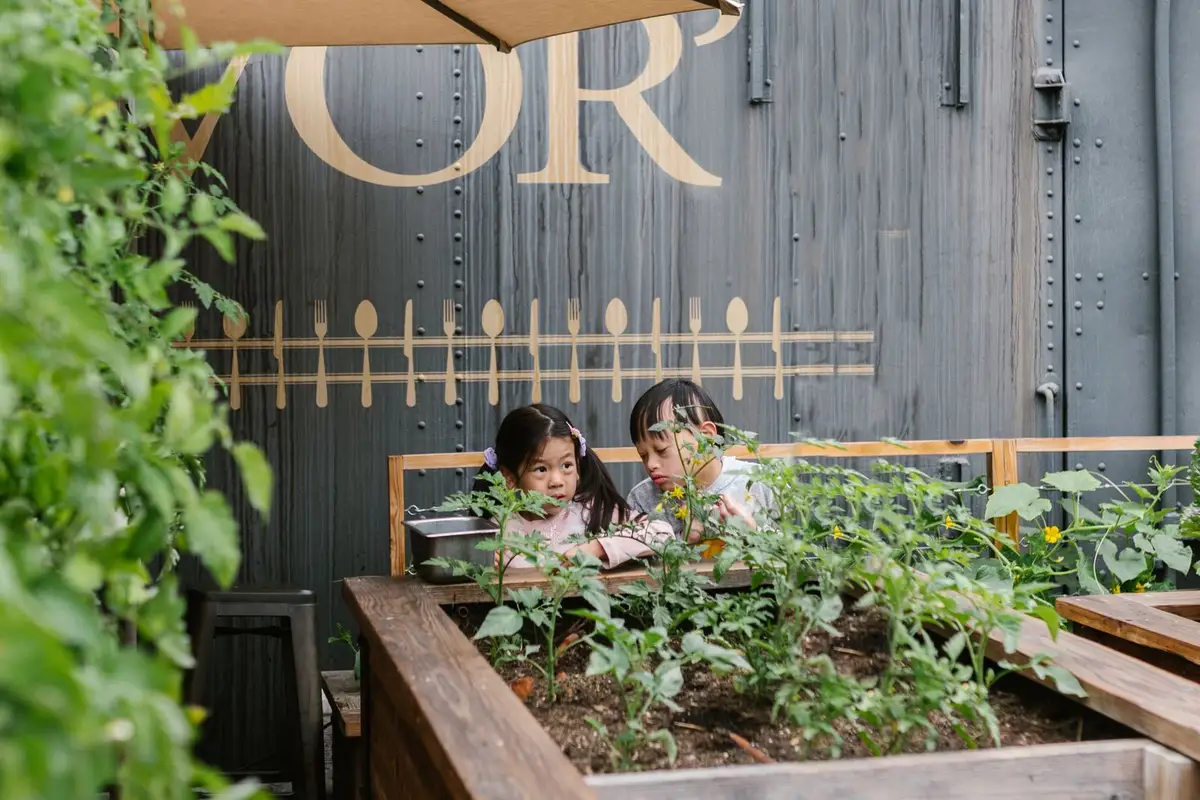
At the back of our garden, under the edge of the banyan tree, is a vegetable patch about the size of two car parks. Every child at Little Banyan waters it each morning, and it has become one of the busiest teaching spaces in the school.
In June, at the start of the year, each group plants something fast and forgiving: beans, okra, spinach and gongura. Children push the seeds into the soil with a finger, two knuckles deep, and put a painted stick with their name beside them. Within a week, the first shoots come up, and the excitement is hard to describe. Over the next months, they measure the plants against their own height, count leaves, check for caterpillars and learn that too much water drowns roots.
The patch teaches more than gardening. Children practise patience, waiting weeks for something to happen. They learn numbers by counting pods and comparing sizes, and language by describing what they see: rough, smooth, taller, curly. They take turns with the five watering cans, which teaches sharing more effectively than any rule. And they learn that food comes from somewhere, which changes how many of them feel about eating vegetables.
When the harvest comes, our cook uses it in the daycare lunch, and children who grew the beans tend to eat them. Gardening clothes get muddy, so please send a spare set in your child’s bag. If you have seeds or a skill to share, parents are always welcome in the patch.
Keep reading
Not trained yet at two? Here is how our teachers help, what we ask from home, and why accidents are part of it.
Beaches, hill parks and gardens that suit toddlers and preschoolers, with the best times to go and what to carry.
Short goodbyes, a familiar object and a calm morning help most children settle.