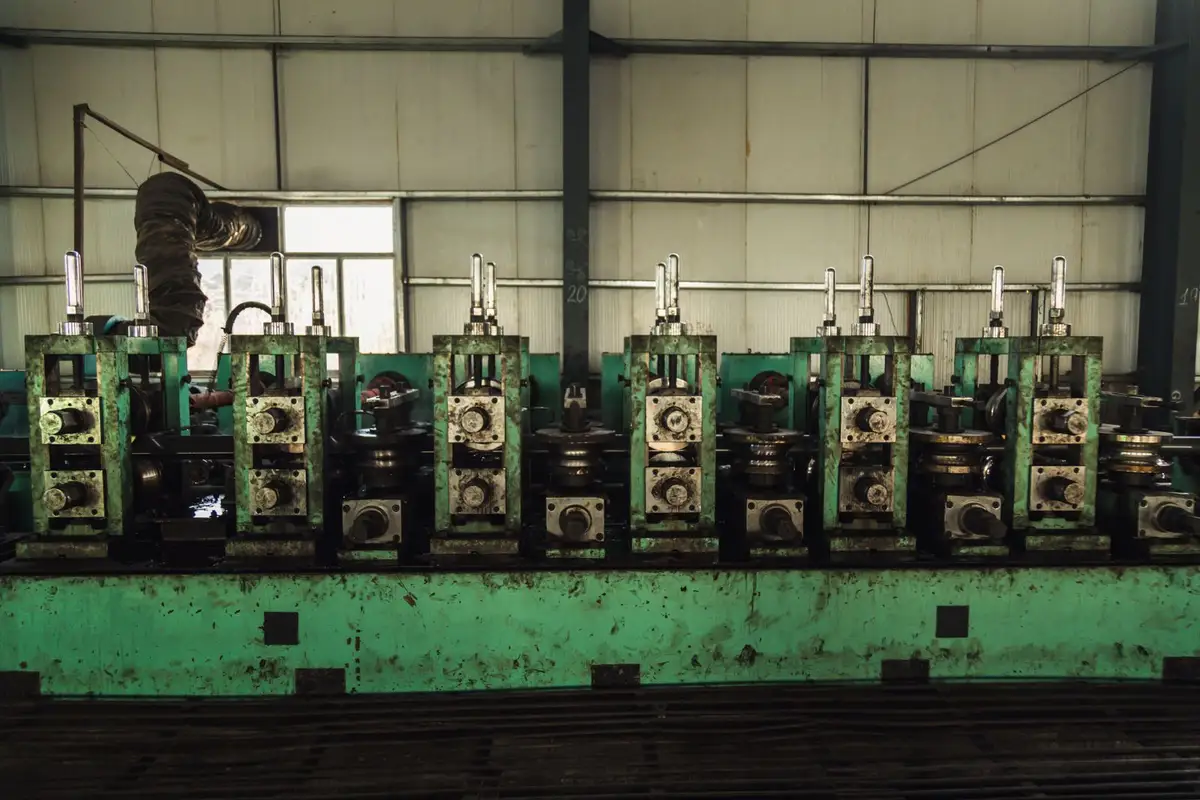
From steel plate to cultivator: a day on our works floor
Laser cutting, bending, robotic welding and paint. How a spring-tine cultivator is built at our Focal Point works.
Rabi season orders open · Dealer enquiries welcome from Punjab, Haryana and Rajasthan
C-118, Phase V, Focal Point, Ludhiana 141010
Mon–Sat · 9 am – 6 pm · test farm Sat 9 am – 1 pm
Price, diesel, shares and repairs: a five-year cost sheet for a 3-bottom reversible plough on a 25-acre farm.
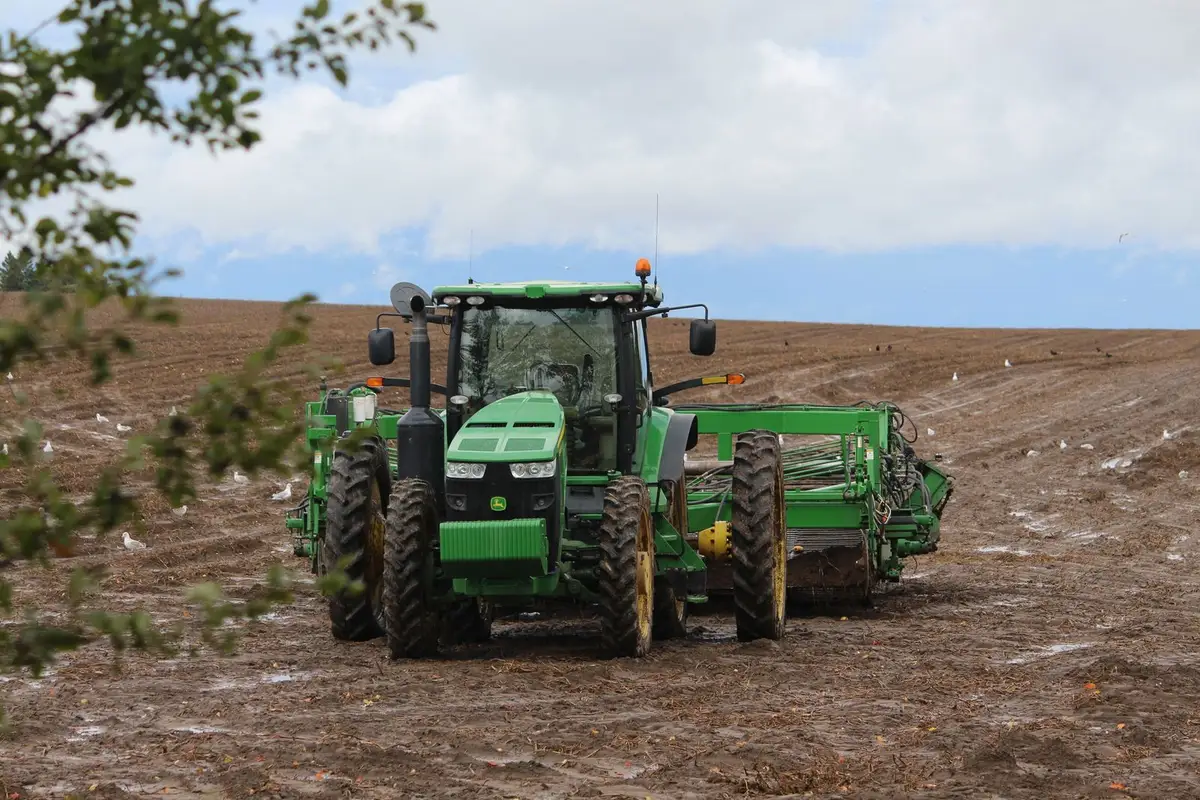
When farmers compare implements, they usually compare the price on the dealer’s board. But the price is only part of what an implement costs over its life. Here is a rough five-year cost sheet for a 3-bottom hydraulic reversible plough on a 25-acre farm in Punjab, ploughed once a year.
The plough itself, depending on the model and the state scheme you qualify for, costs roughly ₹1,60,000 to ₹2,10,000 at the dealer before any subsidy. If the farm takes no subsidy, a common figure to plan for is about ₹1,90,000. Over five years, that is ₹38,000 a year before considering what it is worth when you sell or trade it in, which for a well-kept plough is often 40 to 50 percent of the price.
Running costs come next. A 65 HP tractor pulling a 3-bottom plough uses about 6 to 7 litres of diesel an acre. At ₹90 a litre, ploughing 25 acres once a year costs about ₹14,000 in fuel alone. Shares and tips wear fastest; in medium soil, a set of boron steel shares lasts about 80 to 120 acres, and a full set for three bottoms costs ₹6,000 to ₹9,000. Grease, bolts and an occasional hydraulic hose add about ₹3,000 a year.
Added up, owning the plough costs roughly ₹55,000 to ₹60,000 a year in the early years. That is why many smaller farms share one plough among two or three families, or hire one in, and why buying one that lasts matters more than buying the cheapest.
Keep reading
Laser cutting, bending, robotic welding and paint. How a spring-tine cultivator is built at our Focal Point works.
How to plan a day at the March or September farmers’ fair, compare implements and avoid buying on impulse.
Why an implement too large for your tractor costs more in diesel, clutches and time than it saves.