A Saturday at our Doraha test farm: what to expect
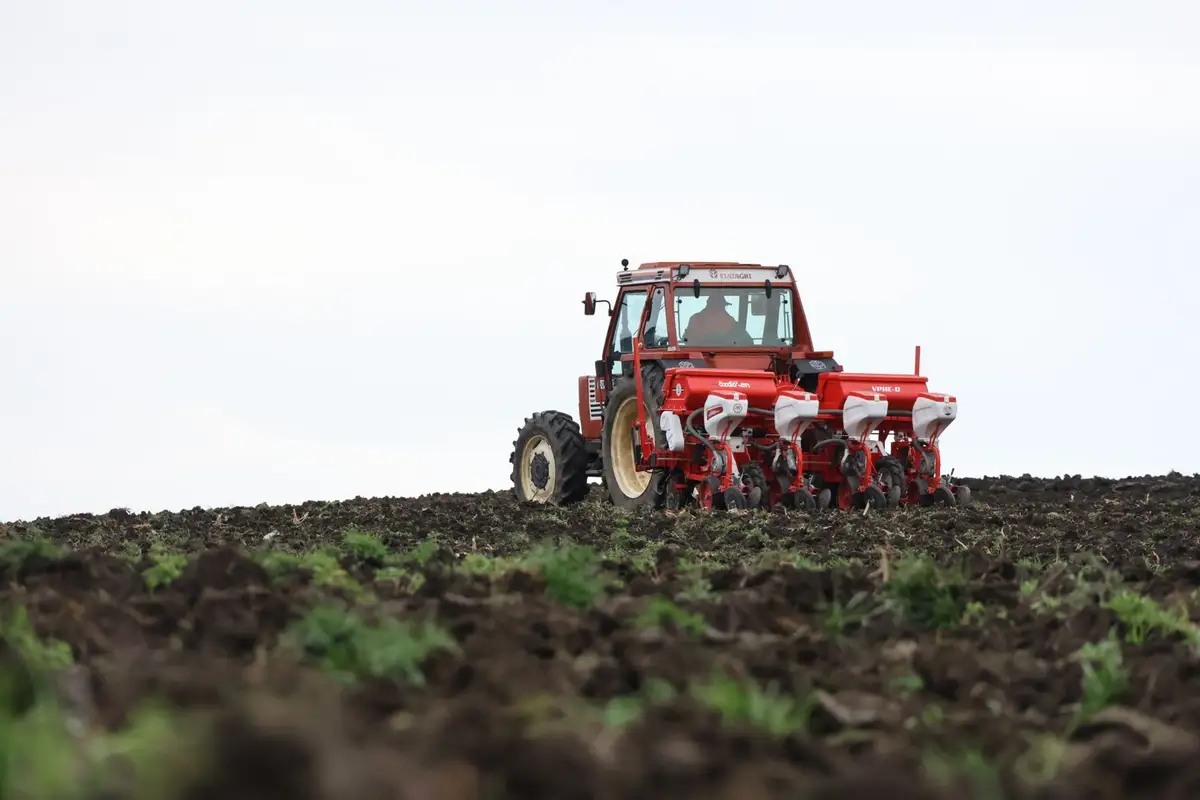
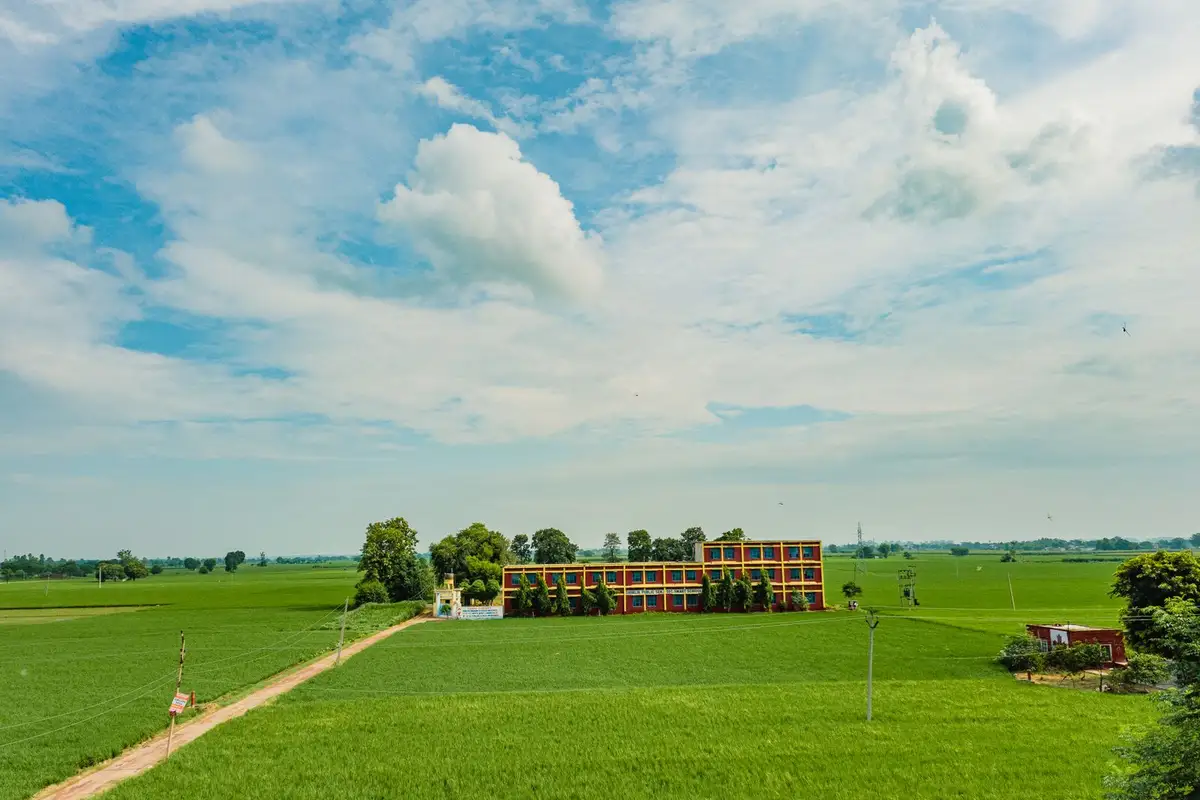
Bring your tractor, try an implement in real soil and talk to our engineers. How a test farm visit works.
Rabi season orders open · Dealer enquiries welcome from Punjab, Haryana and Rajasthan
C-118, Phase V, Focal Point, Ludhiana 141010
Mon–Sat · 9 am – 6 pm · test farm Sat 9 am – 1 pm
Why an implement too large for your tractor costs more in diesel, clutches and time than it saves.
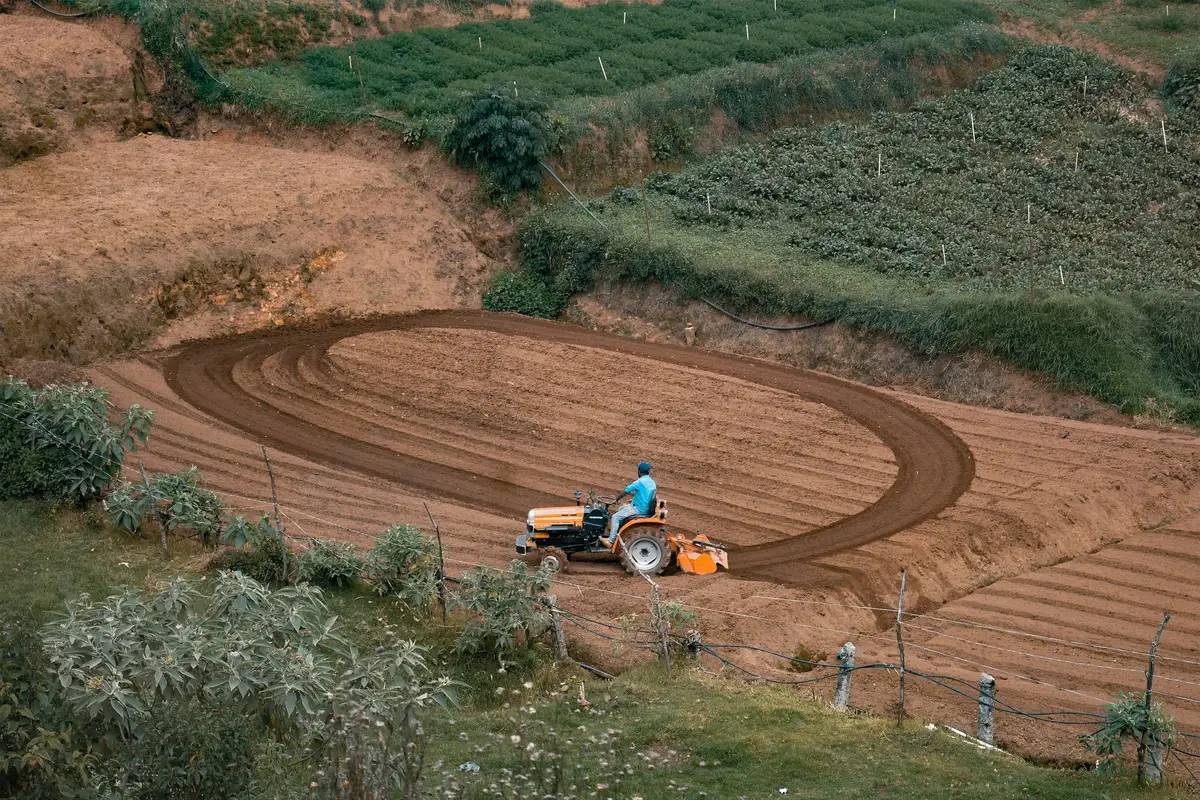
A common belief at the dealer’s counter is that a wider cultivator or an extra plough bottom will get the work done faster, so bigger is always better. On paper that seems right. In the field, an implement that is too big for the tractor usually ends up slower and much more expensive.
Every implement needs a certain pull, which depends on its width, its working depth and your soil. If the tractor does not have enough power and weight to pull it steadily, it struggles in a low gear, the wheels slip and the engine labours near its limit. Diesel use per acre rises sharply, the clutch and gearbox wear faster and the work itself is worse, because the implement rides up and works at an uneven depth. Many farmers then reduce the depth to keep moving, which defeats the purpose of the bigger implement.
As a guide, a 9-tine cultivator needs about 35 HP, an 11-tine about 45 HP and a 13-tine about 55 HP in medium soil. A 2-bottom reversible plough needs 50 HP and a 3-bottom 65 HP or more. In heavy clay or in dry, compacted soil, add 10 HP to each figure.
An implement matched to your tractor lets it work at a steady speed in the right gear, at full depth, with the engine at its comfortable load. If you are between two sizes, choose the smaller one. Your dealer can arrange a demonstration of both on your own field, so you can see the difference for yourself.
Keep reading
Bring your tractor, try an implement in real soil and talk to our engineers. How a test farm visit works.
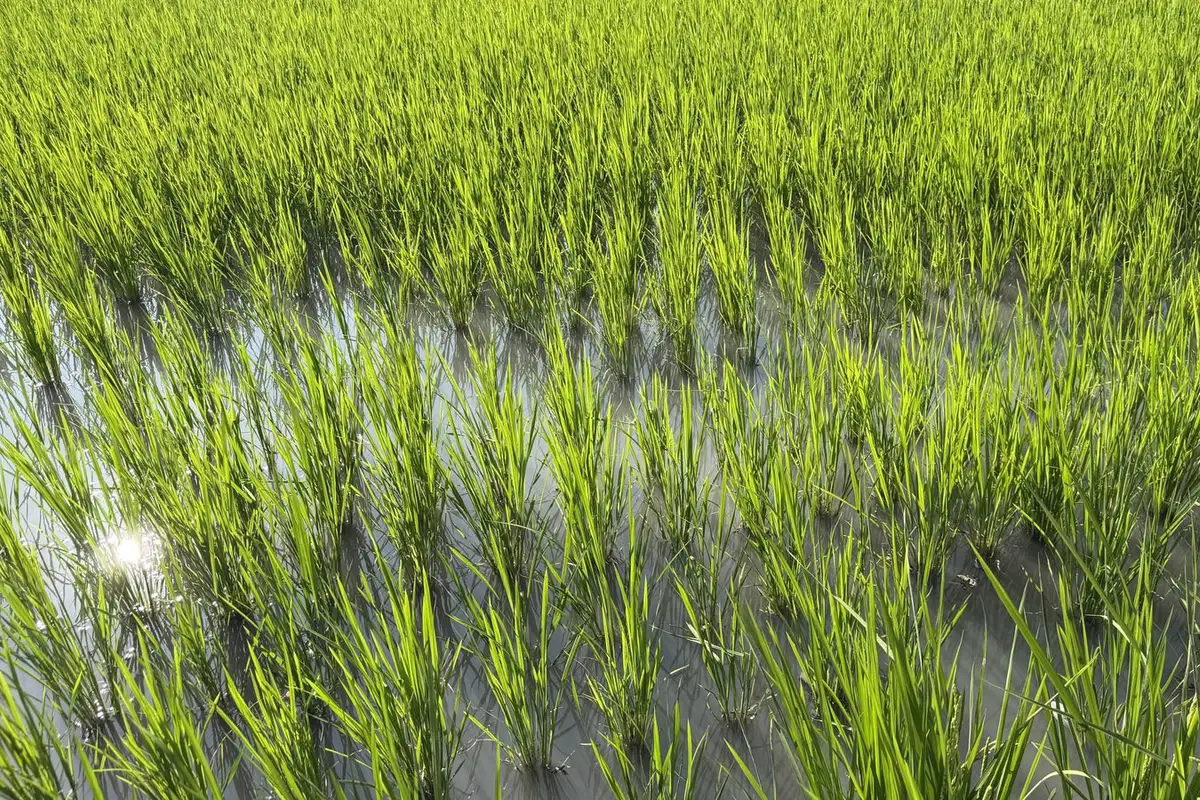
Water level, depth, speed and cage wheels: preparing a paddy field with a puddler before transplanting.
Seed rate, depth and row spacing: a ten-minute check before you sow.