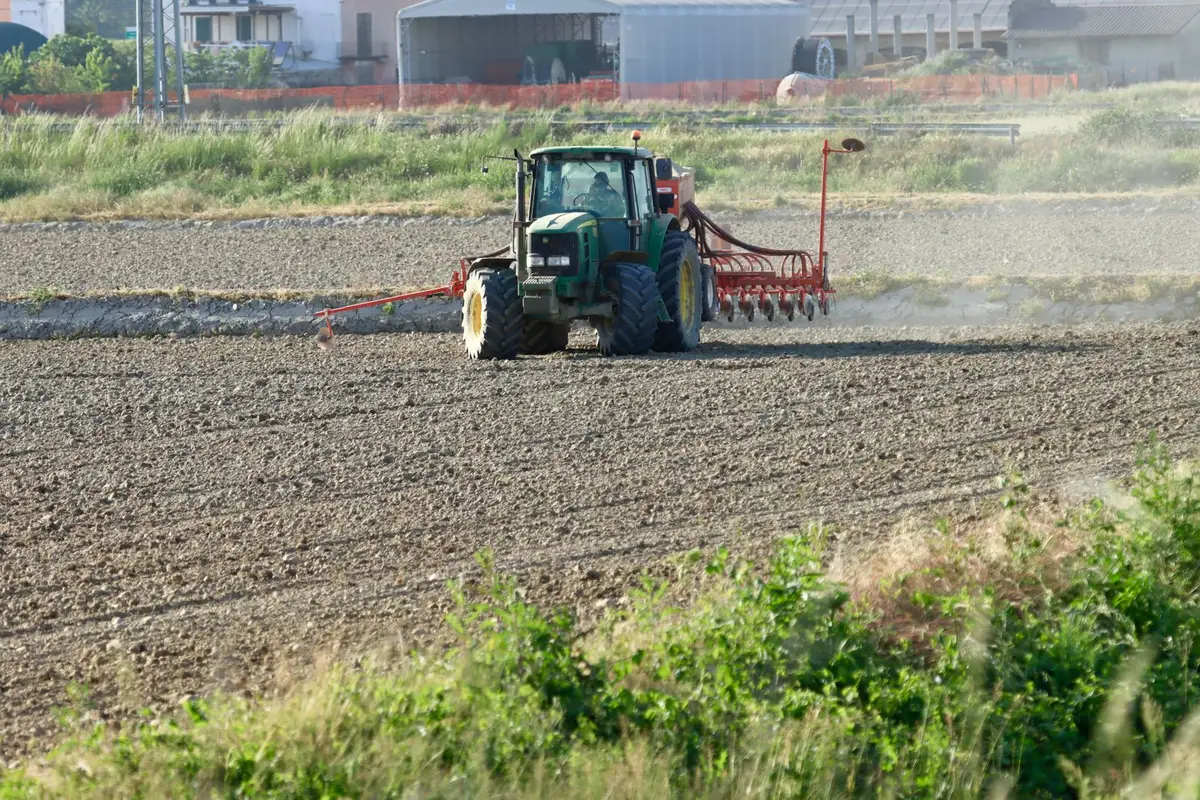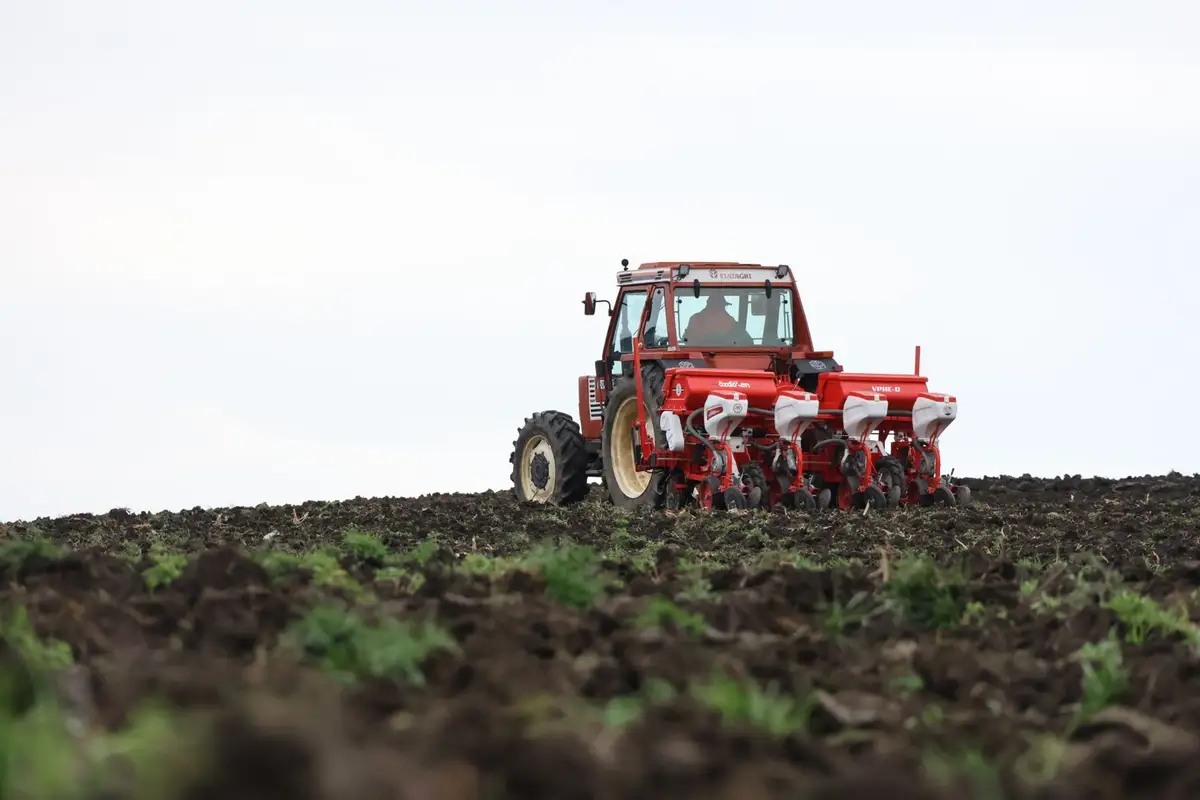
Setting a seed drill for wheat
Seed rate, depth and row spacing: a ten-minute check before you sow.
Rabi season orders open · Dealer enquiries welcome from Punjab, Haryana and Rajasthan
C-118, Phase V, Focal Point, Ludhiana 141010
Mon–Sat · 9 am – 6 pm · test farm Sat 9 am – 1 pm
Water level, depth, speed and cage wheels: preparing a paddy field with a puddler before transplanting.
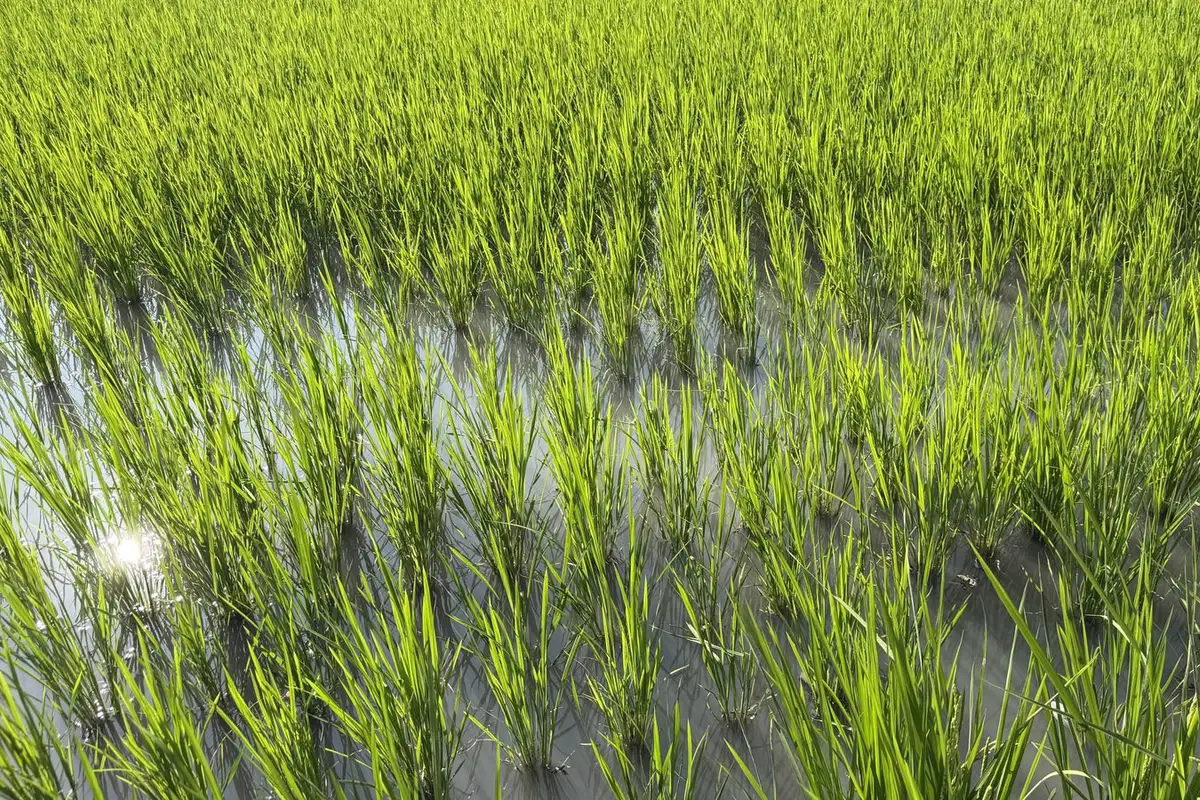
In Punjab, paddy transplanting usually starts from mid-June, on dates set by the state, and the days before it are some of the busiest on the farm. A well-puddled field holds water, levels out and lets seedlings settle quickly. Here is how to get the most from a puddler.
First, prepare the field. After the wheat harvest, plough or cultivate the dry field once to break the surface, and repair the bunds so the water stays in. Flood the field to 5 to 8 cm and let it soak for a day, so the soil softens all the way through. Puddling in water that is too deep makes it hard to see the finish; too shallow, and the soil stays lumpy.
Fit cage wheels to the tractor, or use a tractor with narrow wet-land tyres, so it does not sink or leave deep ruts. Set the puddler to work at about 10 to 12 cm and run at a slow, steady speed, usually in second gear. Make two passes, the second at right angles to the first, and finish with a plank or leveller pass. Overlap each run by about a third of the puddler’s width so no strip is missed.
After each day’s work, wash the mud from the blades and bearings with water, check the blade bolts for looseness and grease the bearings. Mud drying overnight on the shaft is the main cause of bearing failure in the puddling season. At the end of the season, clean, oil and store the puddler under cover, and replace any bent or worn blades before next June.
Keep reading
Seed rate, depth and row spacing: a ten-minute check before you sow.
Hard soil, wrong depth and late sharpening wear out shares fastest.
A checklist to run in March, before the wheat comes in.