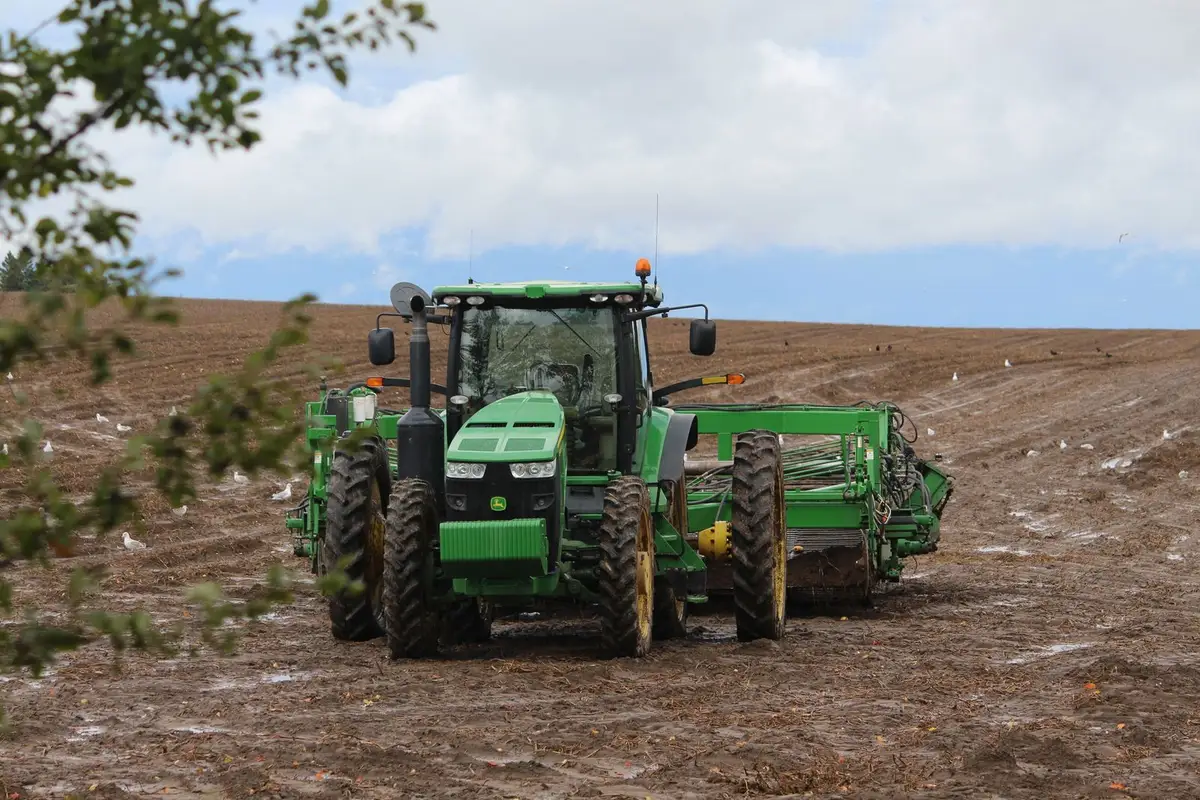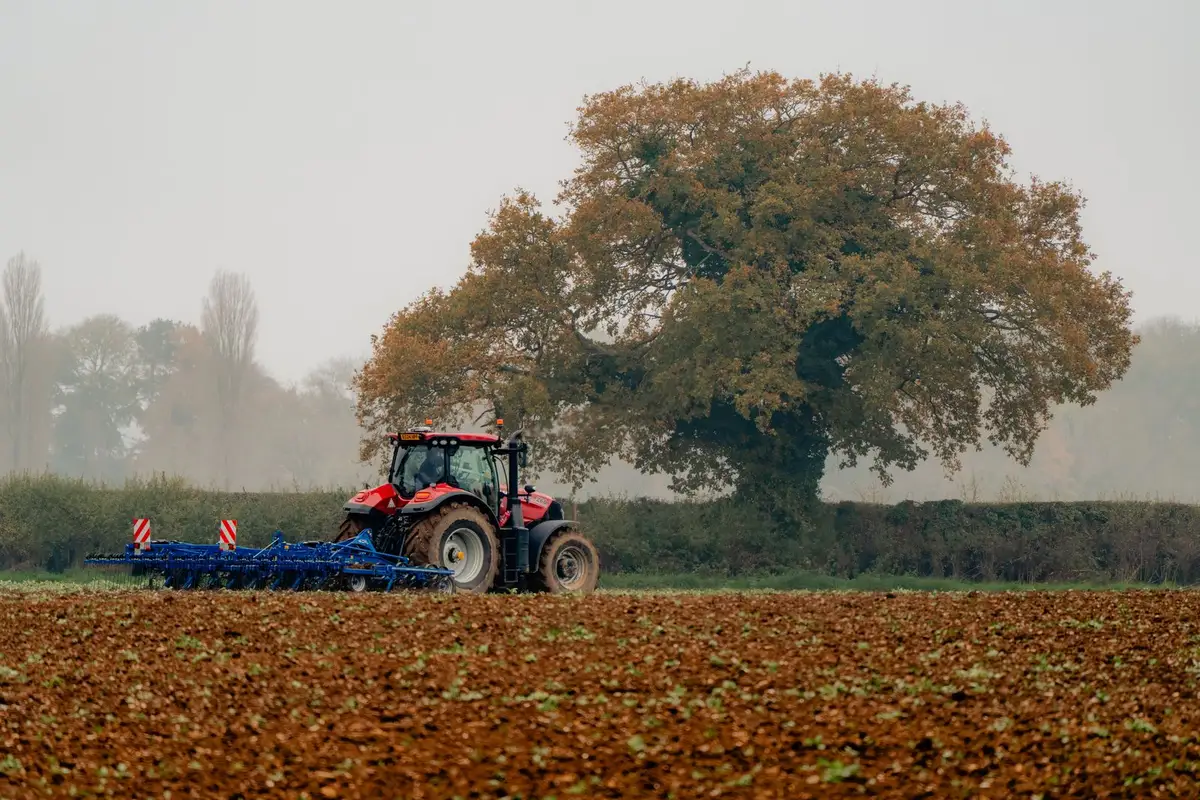
Cultivator or reversible plough: which does your field need?
How each implement works the soil, when to use which, and why many Punjab farms keep both.
Rabi season orders open · Dealer enquiries welcome from Punjab, Haryana and Rajasthan
C-118, Phase V, Focal Point, Ludhiana 141010
Mon–Sat · 9 am – 6 pm · test farm Sat 9 am – 1 pm
A checklist to run in March, before the wheat comes in.
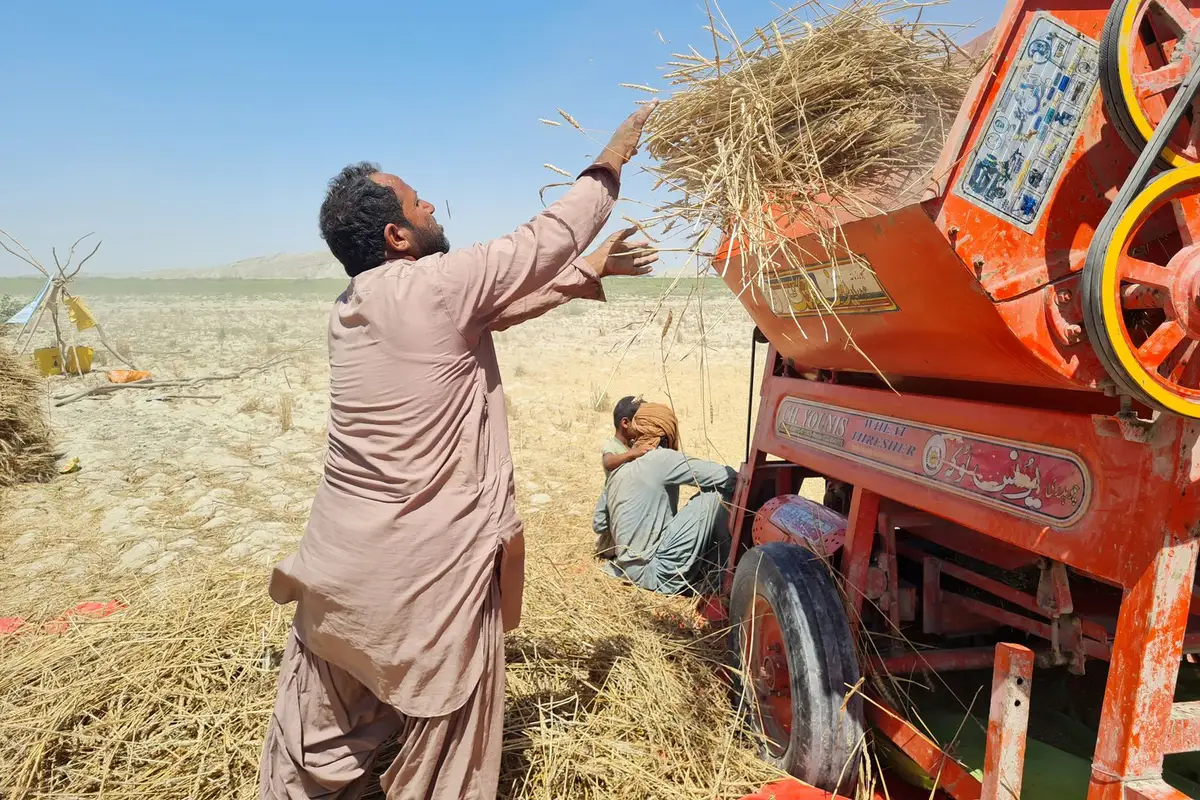
The thresher sits in the shed for most of the year, then works day and night for a few weeks in April. A breakdown then costs more than any repair. Run through this list in March.
Check every belt for cracks and stretch. A belt that slips loses speed, and a slow drum leaves grain in the straw. Replace any belt that is glazed or frayed, and keep one spare of each size.
Grease every bearing, and spin the drum by hand. It should turn freely without noise. Check the beaters and concave for bent or worn bars, and that the sieves are clean and not torn. Fit the right sieve set for wheat.
Look at the safety parts too: the feeding chute guard, the PTO shaft cover and the belt guards. Most thresher injuries happen at the feeding chute late at night, when people are tired. Never feed by hand beyond the chute, and stop to clear blockages with the PTO off.
Finally, set the wheels on firm ground, level, with the outlet facing away from the wind. Your dealer can do this service for you; book it before the rush.
Keep reading
How each implement works the soil, when to use which, and why many Punjab farms keep both.
Price, diesel, shares and repairs: a five-year cost sheet for a 3-bottom reversible plough on a 25-acre farm.
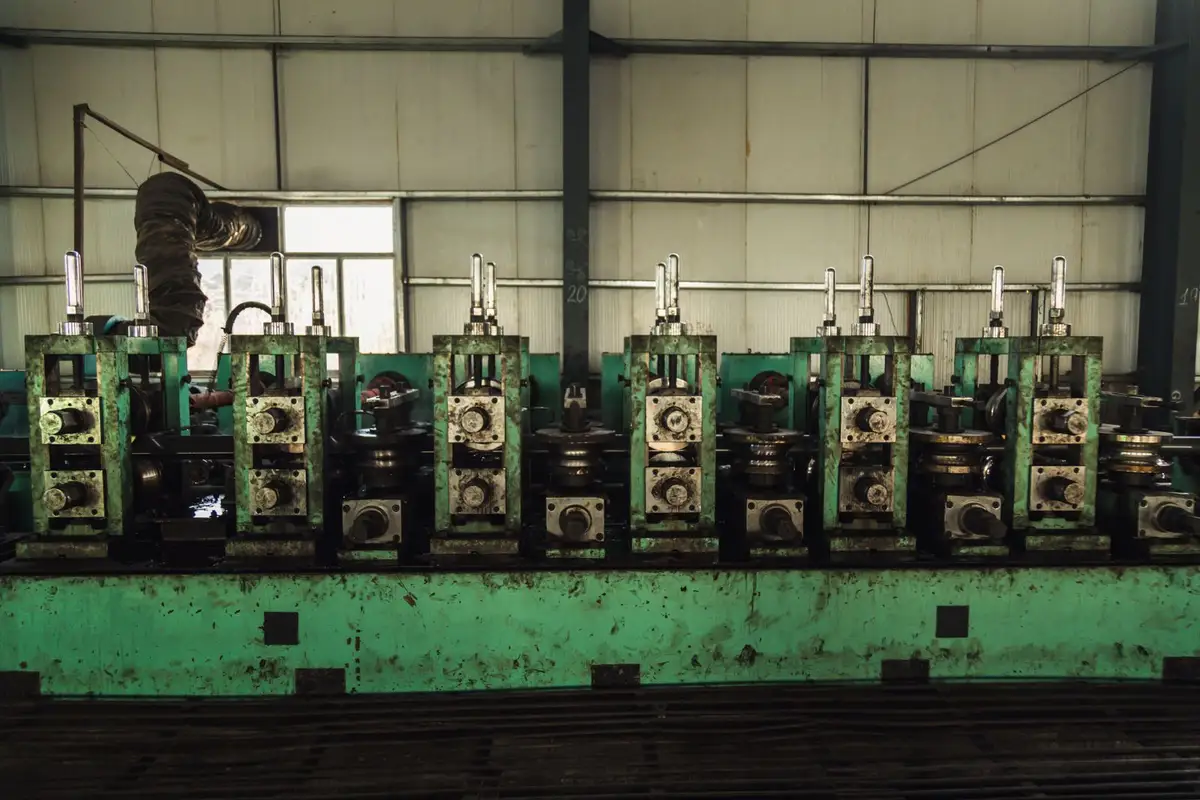
Laser cutting, bending, robotic welding and paint. How a spring-tine cultivator is built at our Focal Point works.