Looking after a brake motor on a hoist or conveyor
Air gap, brake lining, rectifier and manual release: simple maintenance that keeps loads where they should be.
IE3 motors from stock in 0.37–30 kW · Rewinding with a 6-month warranty
J-214, MIDC Bhosari, Pune 411026
Mon–Sat · 8.30 am – 7 pm · breakdown desk 24 hours
Oversized motors waste power, run at poor power factor and can hide real problems. How to size correctly.
One of the most common habits we see in plants is buying a motor one or two sizes larger than needed, “to be safe”. A 22 kW motor ends up driving a fan that needs 12 kW. It feels like insurance. It usually costs money every hour the motor runs.
An induction motor is most efficient at between about 75% and 100% of its rated load. Below about 50% load, efficiency falls, and power factor falls faster. A lightly loaded motor draws more reactive current, which raises cable losses and can push up the electricity bill where power factor is charged. It also costs more to buy and needs bigger cables, switchgear and starters.
Oversizing can also hide problems. If a pump keeps tripping a correctly sized motor, the cause is usually something real: a clogged impeller, a worn bearing or a valve set wrong. A bigger motor stops the tripping but leaves the problem to grow.
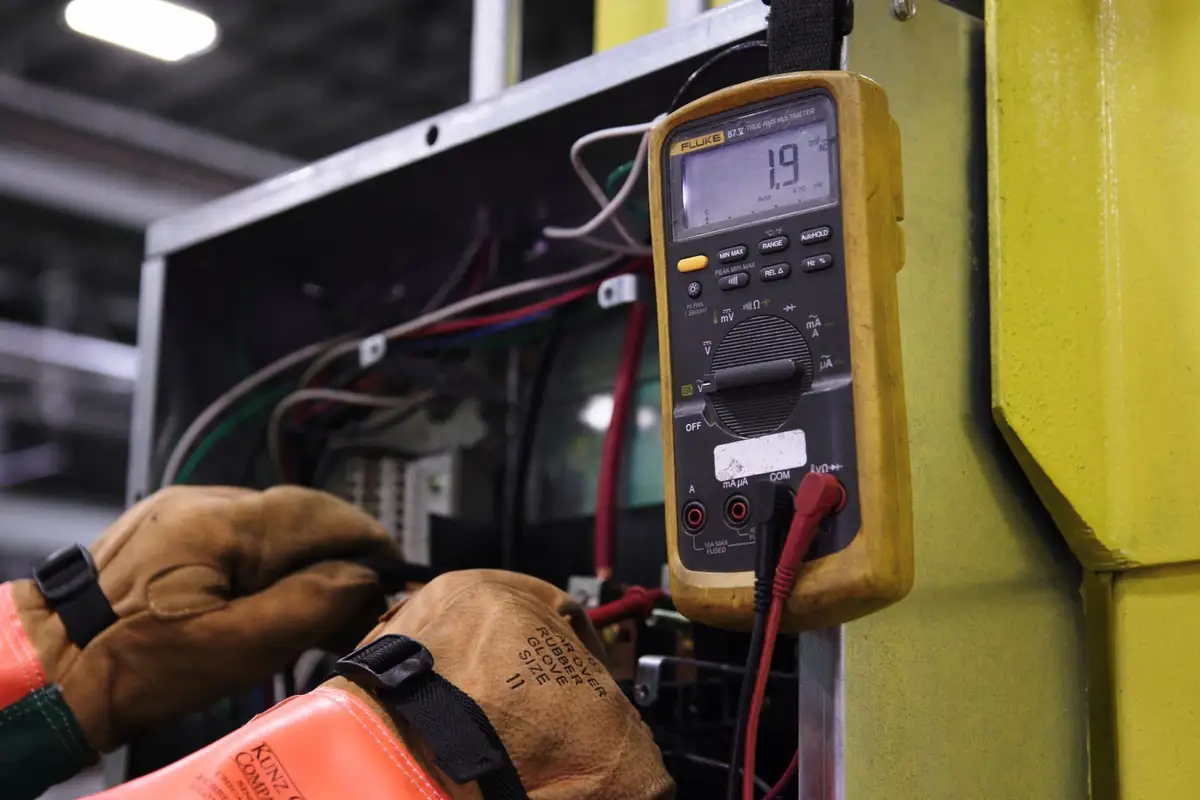
The better approach is to measure. Our free motor survey logs the actual current and power of your existing motors over a week. If a motor runs below half load most of the time, a smaller IE3 motor, or a drive on the existing one, will often cut running costs. Where loads are uncertain, size for the real duty with a sensible margin of 10 to 15%, choose the right starting method and fit proper protection. The motor will run cooler and more efficiently.
Keep reading
Air gap, brake lining, rectifier and manual release: simple maintenance that keeps loads where they should be.
What the labels mean in rupees for a motor that runs all day.
Five questions to ask before you send a burnt motor back to work.