A watercolour kit on three budgets
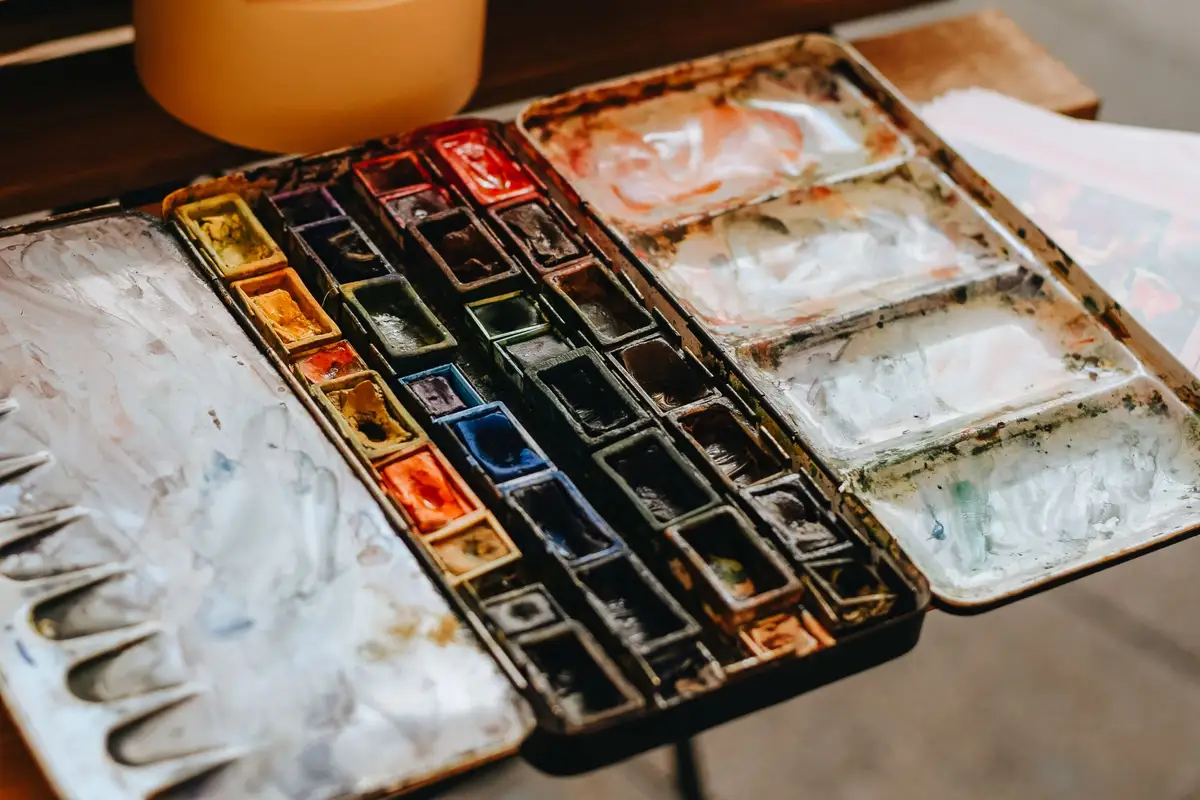
What to buy for ₹1,500, ₹4,000 and ₹8,000 if you are starting watercolour, and what to leave for later.
Free delivery across India on orders above ₹999 · Pen repairs at the counter
8 Bhagwan Das Road, C-Scheme, Jaipur 302001
Mon–Sat · 10 am – 8 pm · Sun 11 am – 5 pm
Paper, ink and a few simple techniques for making your own greeting cards this October, with costs for a batch of twenty.
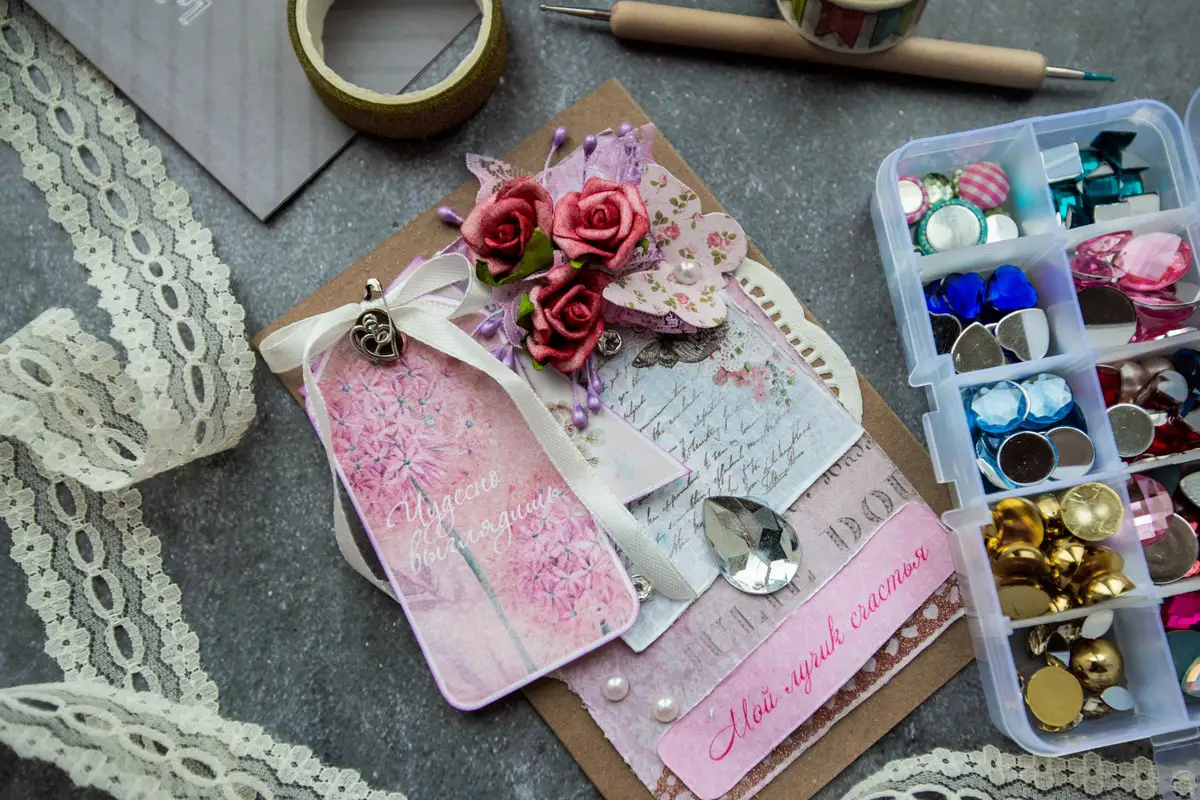
From late September, our counter fills with people buying paper to make their own Diwali cards and wedding notes. A handmade card takes an evening and costs less than most printed ones. Here is a simple approach for a batch of twenty.
Start with paper. Our Sanganer cotton-rag sheets in 300 gsm make sturdy cards. One large sheet cut in half and folded gives two A6 cards, so ten sheets make twenty. Choose natural white or cream, or deckle-edged sheets for a softer look. Ten sheets cost about ₹450. Envelopes in handmade paper are ₹15 each.
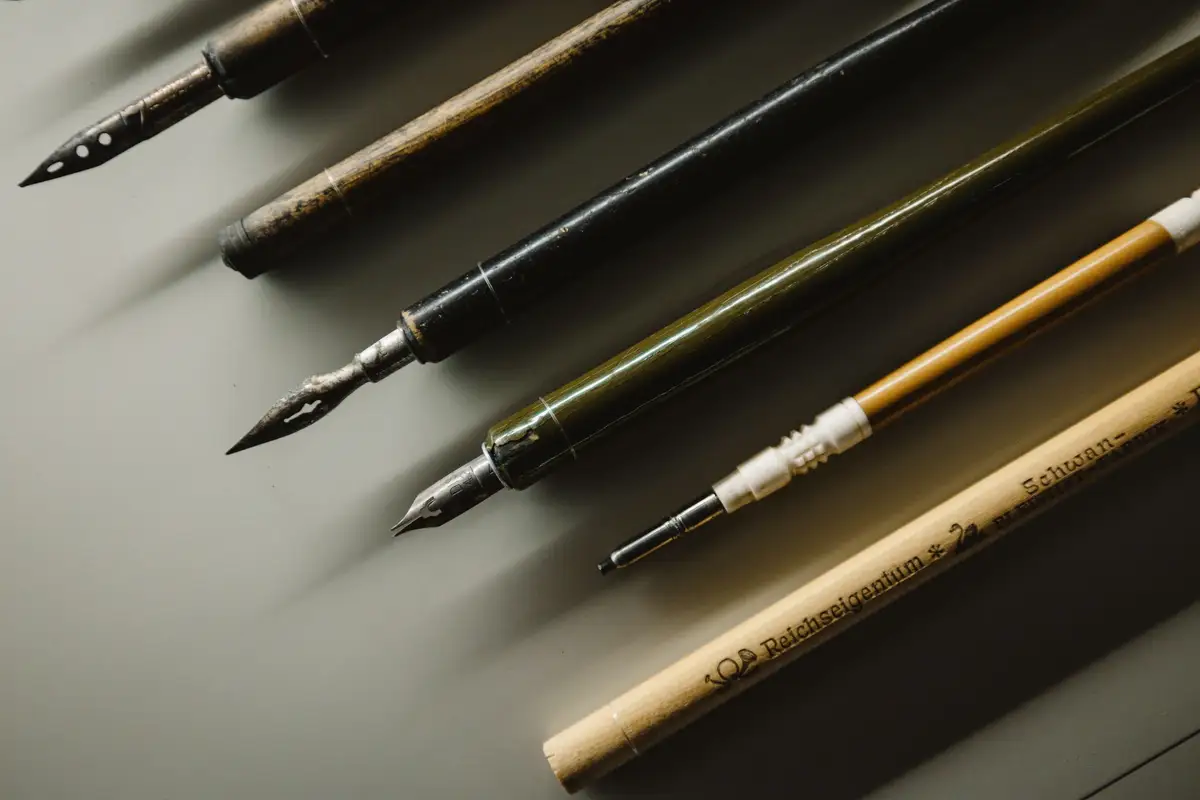
For decoration, keep it simple. A small diya or rangoli motif in gold and red watercolour, painted the same way on each card, looks deliberate rather than messy. Or use a calligraphy nib and a bottle of metallic ink for a single word, Shubh Deepavali or a name, across the front. A rubber stamp of a lamp or a leaf, pressed in gold ink, is the quickest of all and suits children helping.
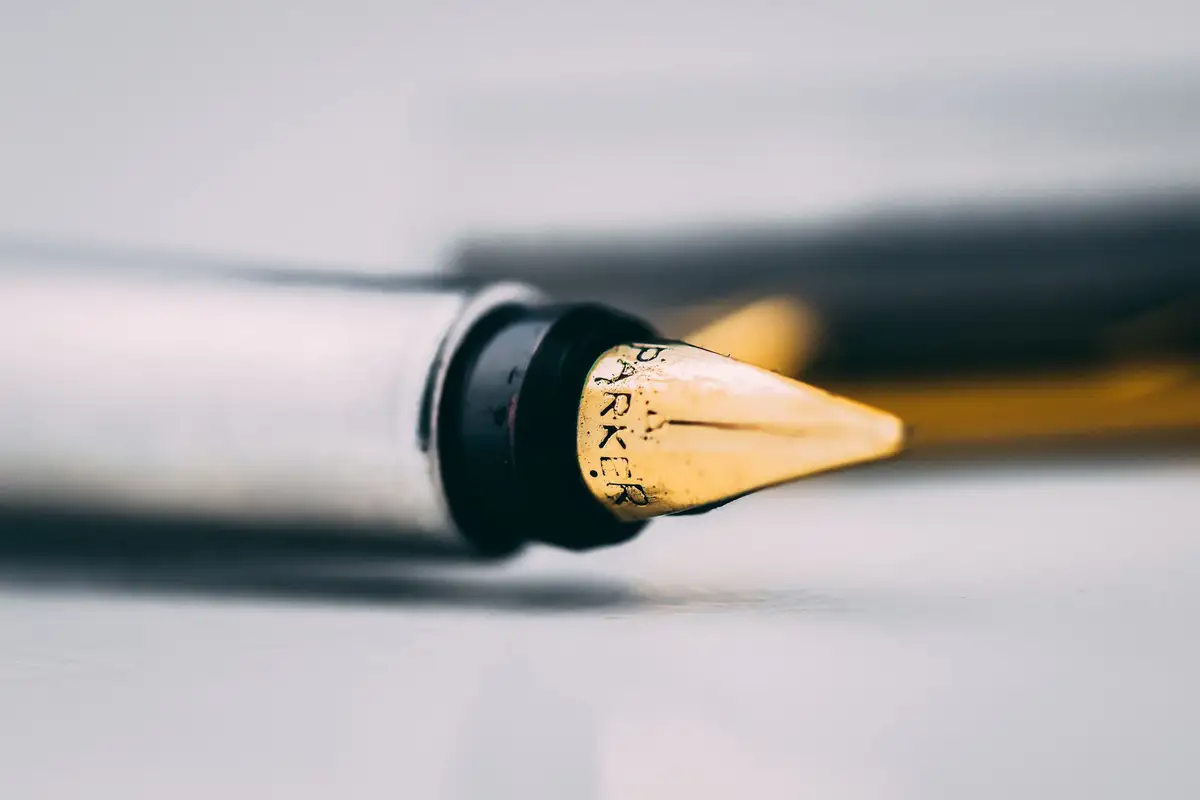
Write inside with a fountain pen and a dye ink that does not bleed on cotton paper; test on a scrap first. Leave cards open to dry for an hour before folding them into envelopes. A complete batch of twenty, with paper, envelopes, a small gold paint and a stamp, comes to about ₹1,100. If you want to learn more, our October workshop is on painted cards, and the counter can suggest papers and inks for wedding invitations, which need more planning and a longer lead time.
Keep reading
What to buy for ₹1,500, ₹4,000 and ₹8,000 if you are starting watercolour, and what to leave for later.
Scratchy, dry or skipping pens: how Kunal adjusts a nib in about fifteen minutes, and when a nib cannot be saved.
Air pressure, half-full converters and ink on your shirt: the worry every pen user has before travel, and how to avoid it.