How handmade paper is made in Sanganer
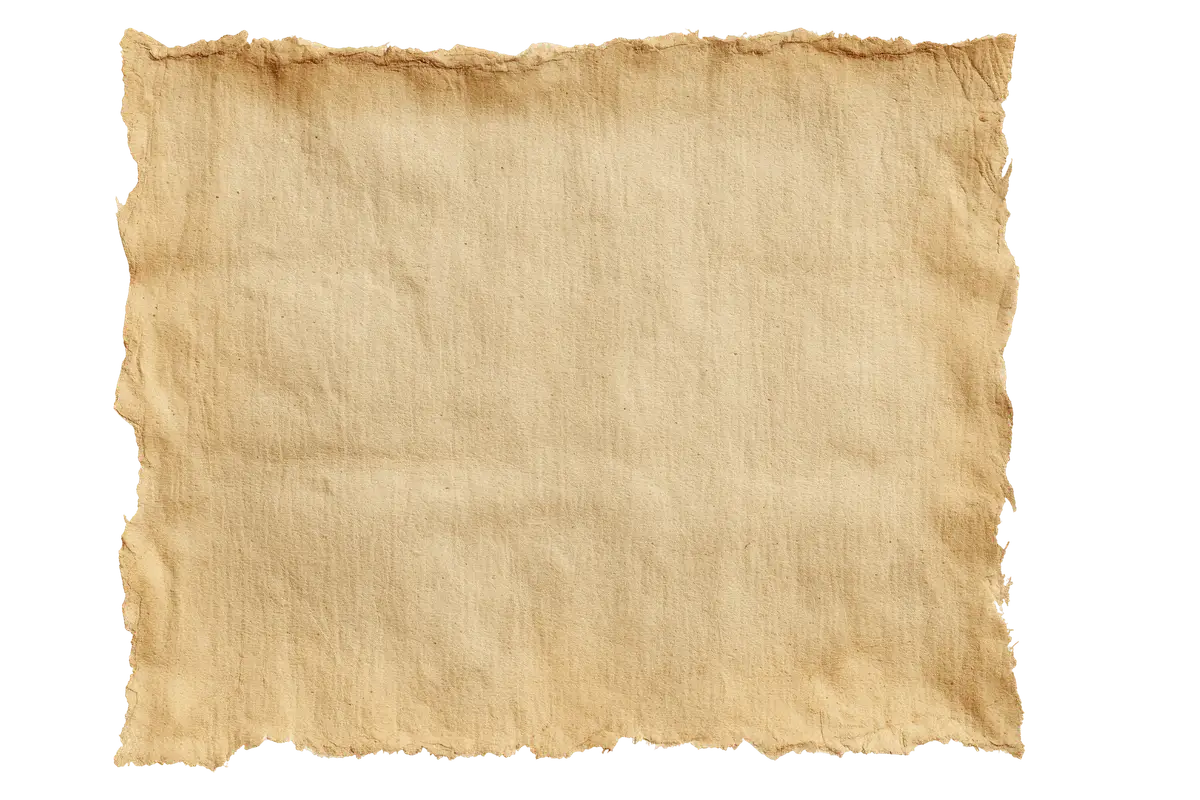
Cotton rag, water and a wooden frame: a morning at one of the units that supplies us.
Free delivery across India on orders above ₹999 · Pen repairs at the counter
8 Bhagwan Das Road, C-Scheme, Jaipur 302001
Mon–Sat · 10 am – 8 pm · Sun 11 am – 5 pm
Nib size, filling system and weight: three things to decide, and one to ignore.
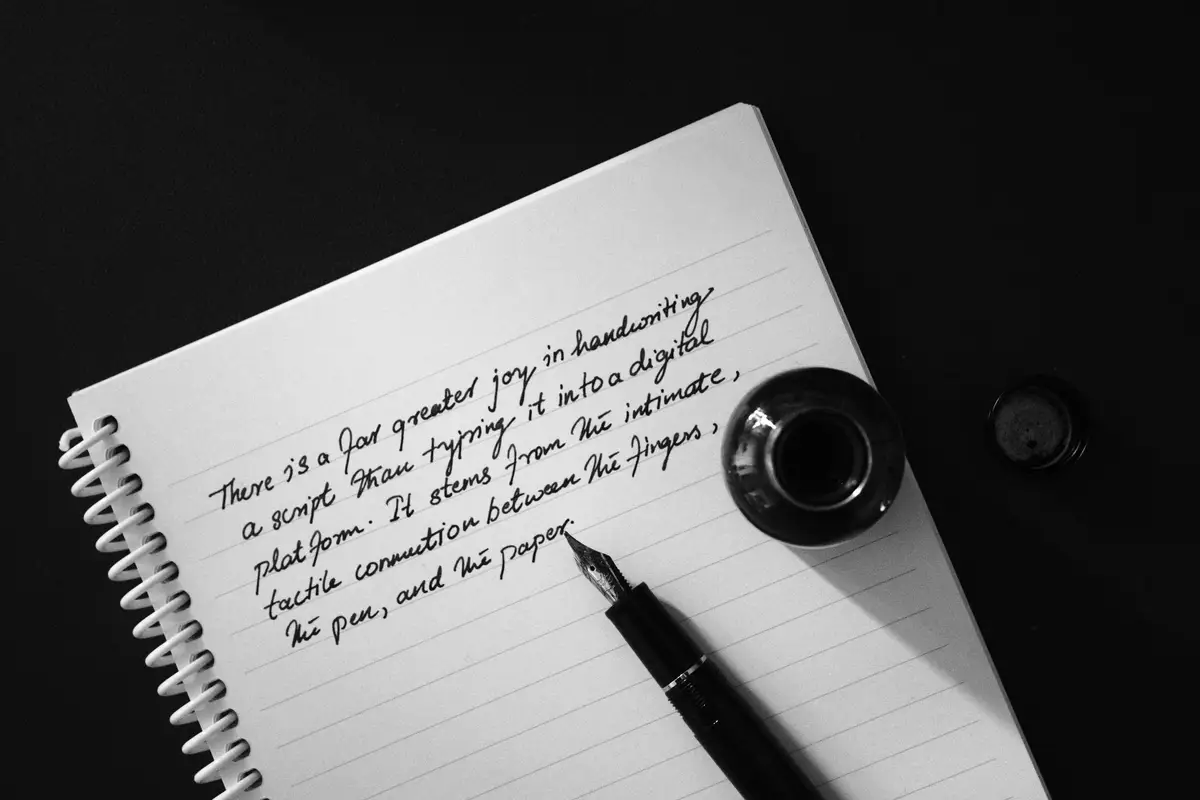
A first fountain pen should be easy to use and forgiving. Start with the nib. A fine nib suits small handwriting and ordinary paper; a medium is smoother and wetter but can bleed on thin notebooks. If in doubt, choose fine.
Next, how it fills. Cartridges are clean and simple, but limit you to the colours on offer. A converter lets you draw ink from a bottle, which is cheaper and opens up hundreds of colours. Most pens we sell take both.
Then weight and balance. Hold the pen as you would to write, with and without the cap posted on the end. A pen that feels heavy in the shop will feel heavier after a page.
What to ignore at first is the nib material. A well-made steel nib writes beautifully; gold is softer but not necessary for a first pen. Spend the difference on a good bottle of ink and paper that does it justice.
Keep reading
Cotton rag, water and a wooden frame: a morning at one of the units that supplies us.
Rinse, reshape and dry flat: how to keep a good brush pointed for years.
Bright colours that wash out, or permanent ink that needs more care. How fountain pen inks differ, and which suits your pen.