Offset or digital: which suits your job
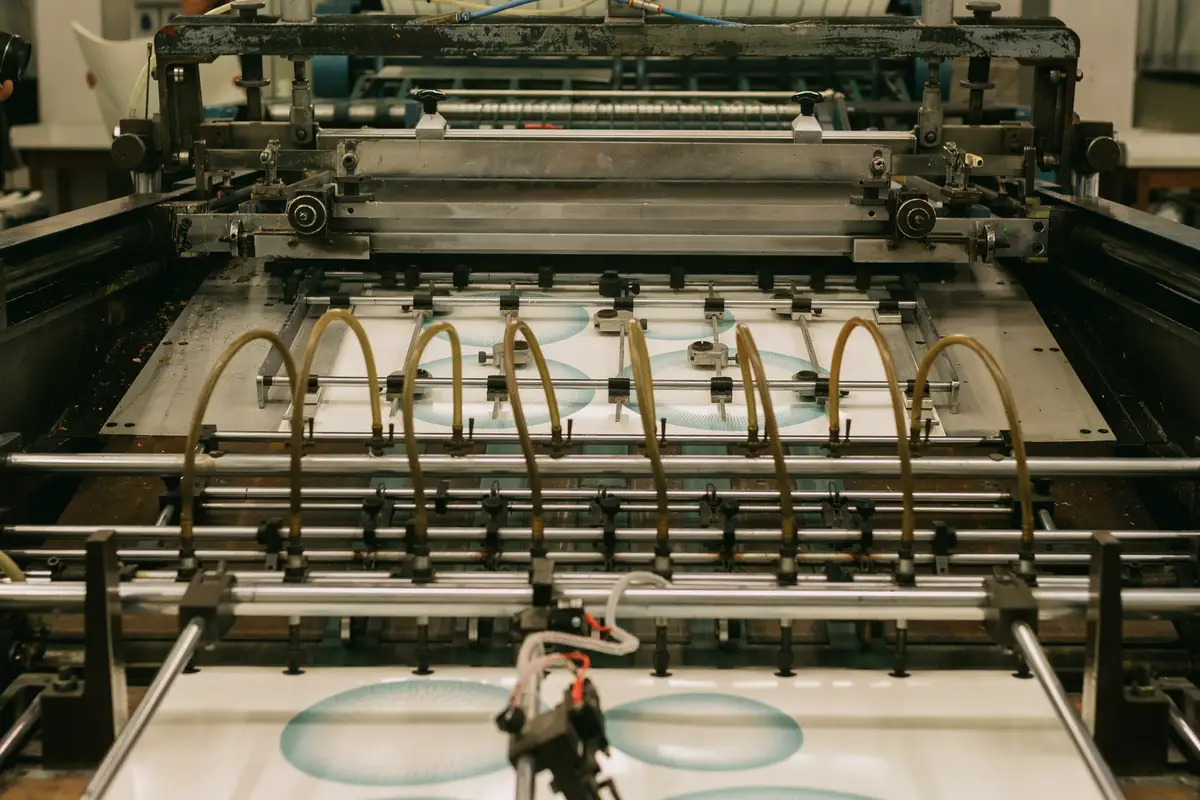
Quantity, paper and colour accuracy decide it. A short guide with typical break-even points.
Booking 2027 calendar and diary runs now · Proofs in 24 hours
22 Velayudham Road, Sivakasi 626123
Mon–Sat · 9 am – 7 pm · Presses run 24 hours
Ply, flute, size and print: how to plan a corrugated box that protects your product and carries your brand.
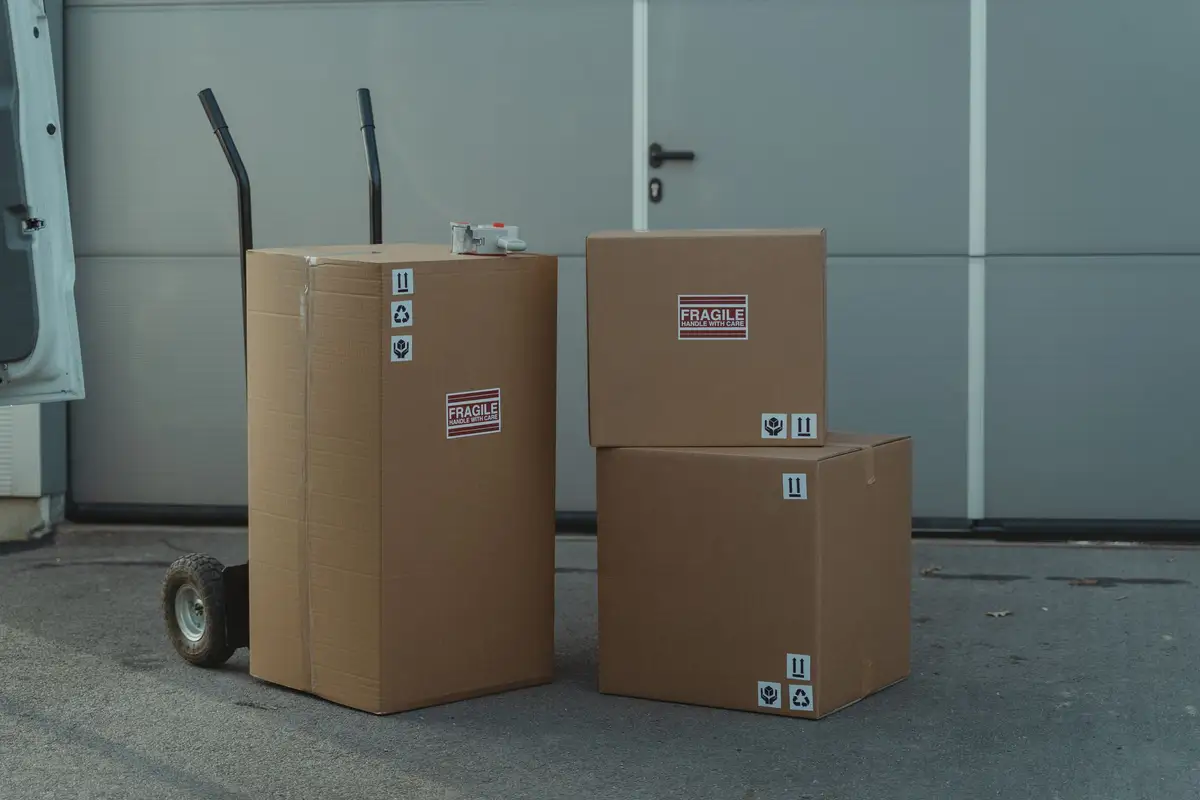
More of our customers sell online every year, and their first packaging question is usually about the shipping box. A well-planned corrugated box protects the product, keeps courier charges down and looks good when it arrives.
Start with the inside size. Measure the product, or the product in its own carton, and add 5 mm on each side for easy packing. For fragile items with padding, add the thickness of the padding. Courier charges are often based on the box’s volume, so a box 2 cm too big on each side can add a noticeable amount on every parcel.
Then choose the strength. Three-ply board, with one fluted layer between two liners, suits light products up to about 5 kg: clothing, cosmetics, books. Five-ply, with two fluted layers, suits heavier or fragile goods such as glass jars, kitchenware and electronics, and stacks better in warehouses. We test samples by loading and dropping them before a large run.
Print is simple on corrugated board. One or two colours of flexo print on the outer brown or white kraft liner works best: a logo, a short line and handling marks. Full photographs do not print well on corrugated board; for that, a printed label or a printed sleeve is better. White kraft costs about 15% more than brown but makes colours brighter. Our minimum run for printed corrugated boxes is 500. A 3-ply printed box of about 30 by 20 by 10 cm costs ₹18 to ₹24 at that quantity.
Keep reading
Quantity, paper and colour accuracy decide it. A short guide with typical break-even points.
Bleed, CMYK, fonts and resolution: four checks that prevent most reprints.
Formats, paper and timing: how to get calendars to customers before the new year.