Building a reading shelf for a ten-year-old
Twenty books, a mix of stories and facts, and a little room for comics: how to set up a shelf that actually gets read.
Free delivery in Kolkata on orders above ₹699 · Ships across India in 4–6 days
41 College Street, near Presidency University, Kolkata 700073
Mon–Sat · 10.30 am – 8 pm · Sun closed
The marks you see on old books, which ones affect reading and value, and which simply show a long life.
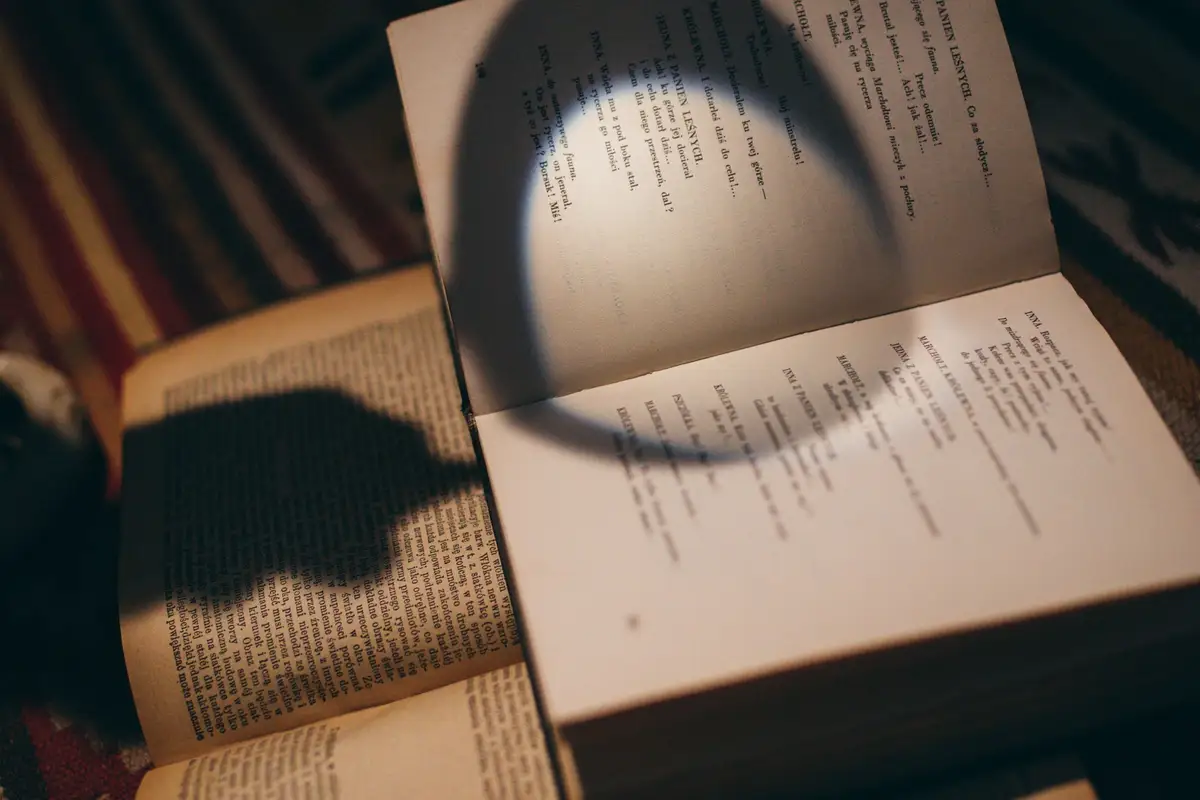
Customers buying their first old book often worry when they see spots, yellow pages or a creased spine. Some of these signs matter and some do not. Since we describe every flaw in our listings, it helps to know what the words mean.
Foxing is the rust-brown spotting that appears on older paper, especially in humid places like Kolkata. It comes from moisture reacting with tiny traces of metal and fungus in the paper. Light foxing on the first and last pages is very common and does not affect reading. Heavy foxing across the text block can make some words harder to read and lowers the price, but it rarely spreads quickly if the book is kept dry.
Browning, or toning, is the even yellowing of cheaper paper as it ages. Many books printed in India between the 1940s and 1980s used paper that browns. It is cosmetic unless the paper has also turned brittle. To check, gently bend a page corner; if it cracks instead of bending, handle that book carefully.
A loose or cracked spine means the binding has weakened, usually from being opened flat too often. A book can still be read safely if you support it with both hands and do not press it flat. Loose pages are a bigger concern, because they can be lost. We list every loose page by number. Previous owners’ names, inscriptions and pencil notes are a matter of taste. Some readers dislike them; others find a 1960s gift note the best thing about the book.
Keep reading
Twenty books, a mix of stories and facts, and a little room for comics: how to set up a shelf that actually gets read.
Keep them upright, away from the sun and the bathroom wall, and let them breathe in the monsoon.
Short text, big pictures and something to point at: what to look for, and what to skip.