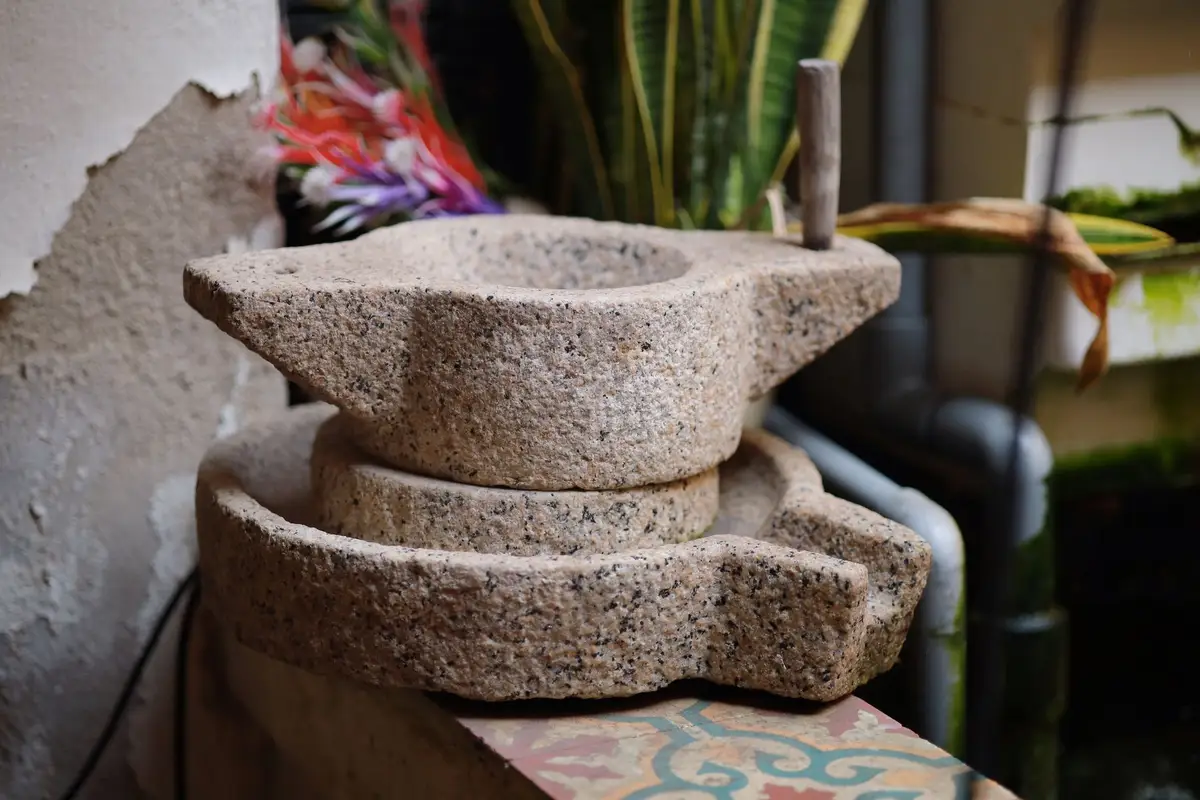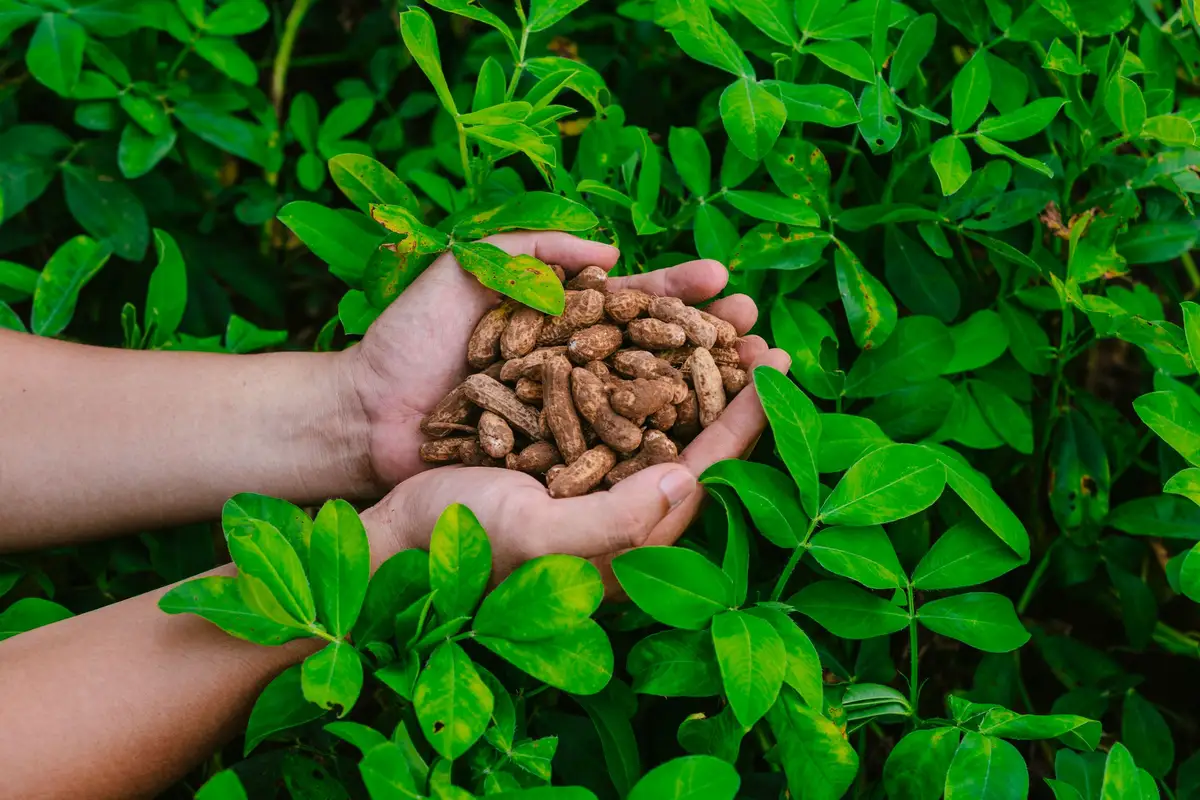
Where our seed comes from, around Salem
A short tour of the villages and fields that grow the groundnut, sesame and copra we press each week.
Pressed this week in Salem · Free delivery in Salem and Namakkal above ₹1,000
48 Omalur Main Road, Swarnapuri, Salem 636004
Mon–Sat · 7 am – 7 pm · Sun 7 am – 12 pm
Why unfiltered oil looks the way it does, and when you should actually be concerned.
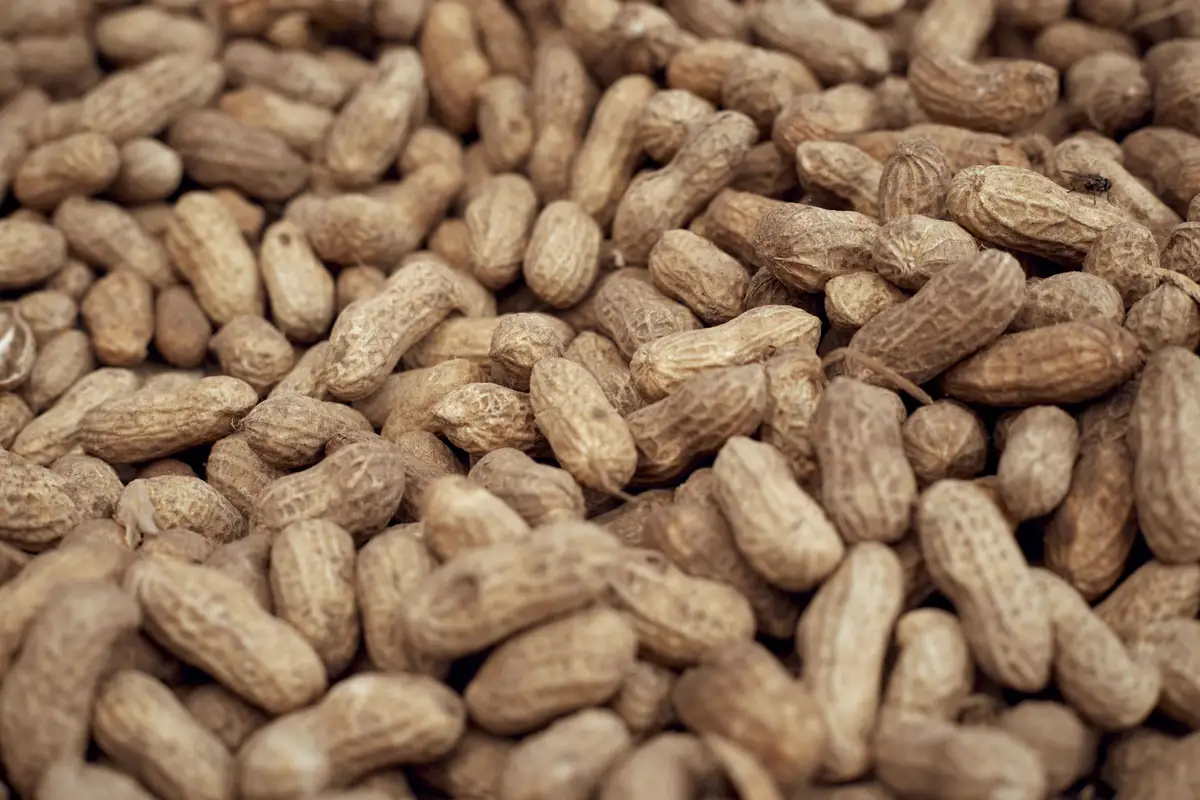
Customers new to wooden-pressed oil often call us with the same worries. Most of them are signs of an unrefined oil behaving normally. A few are worth acting on.
“My oil is cloudy.” We do not filter or refine our oil. Fine particles from the seed stay suspended for a while and slowly settle. Let the bottle stand still for a day and pour gently, leaving the last few spoons. The sediment is safe; many of our customers use the bottom of the bottle for frying vadai.
“My coconut oil has gone solid.” Coconut oil sets white below about 24 °C. It has not spoiled. Stand the bottle in a bowl of warm water for ten minutes and it turns clear again. Do not heat the bottle on the stove. “There are white specks in the groundnut oil in winter.” Groundnut oil contains natural waxes that form small white flakes in cool weather. They disappear when the oil warms to room temperature.
“It tastes bitter or smells like paint.” This one matters. A sharp, bitter or crayon-like smell means the oil has gone rancid, usually because it was kept in light or heat, or for longer than six months. Do not use it for cooking; use it for oiling hinges or wooden tools. If a bottle from us smells like this within the date, bring it back to the mill or send us a photo of the label with the pressing date, and we replace it.
Keep reading
A short tour of the villages and fields that grow the groundnut, sesame and copra we press each week.
Wooden chekku, rotary expeller and refined oil: three ways oil is made.
A simple guide to cooking with groundnut, gingelly and coconut oil.