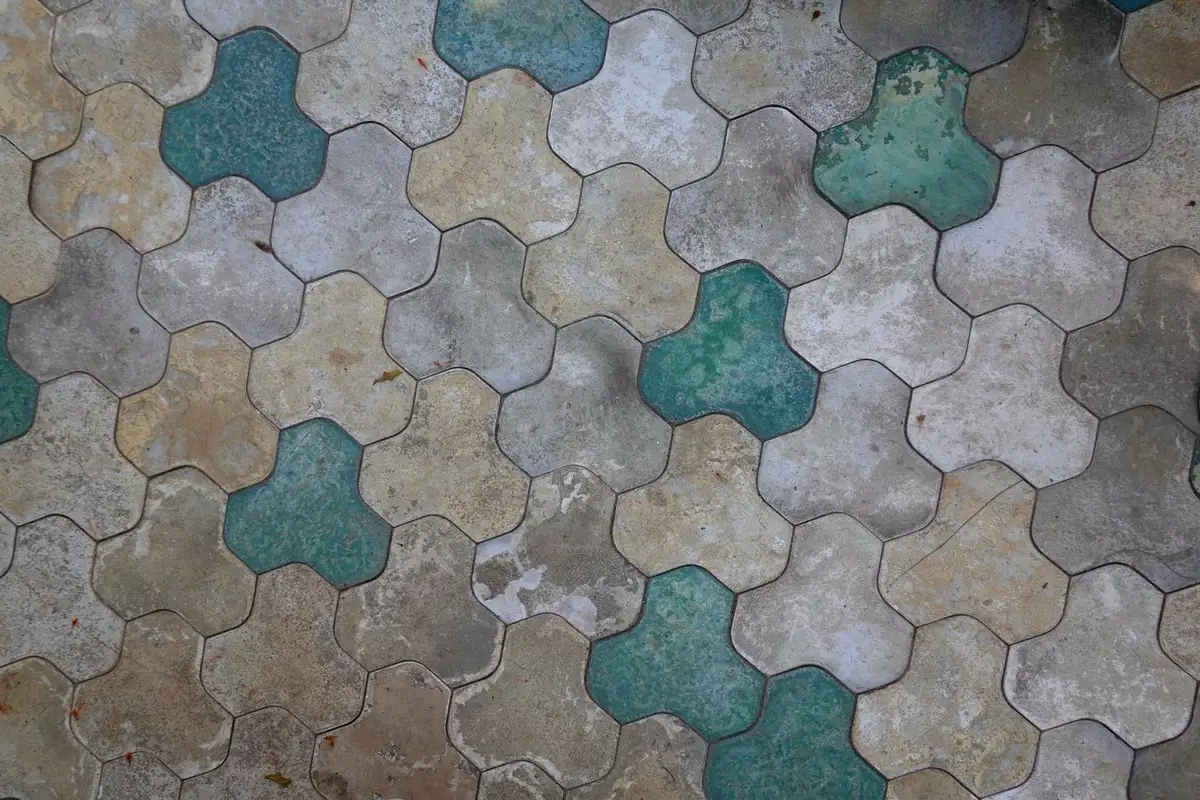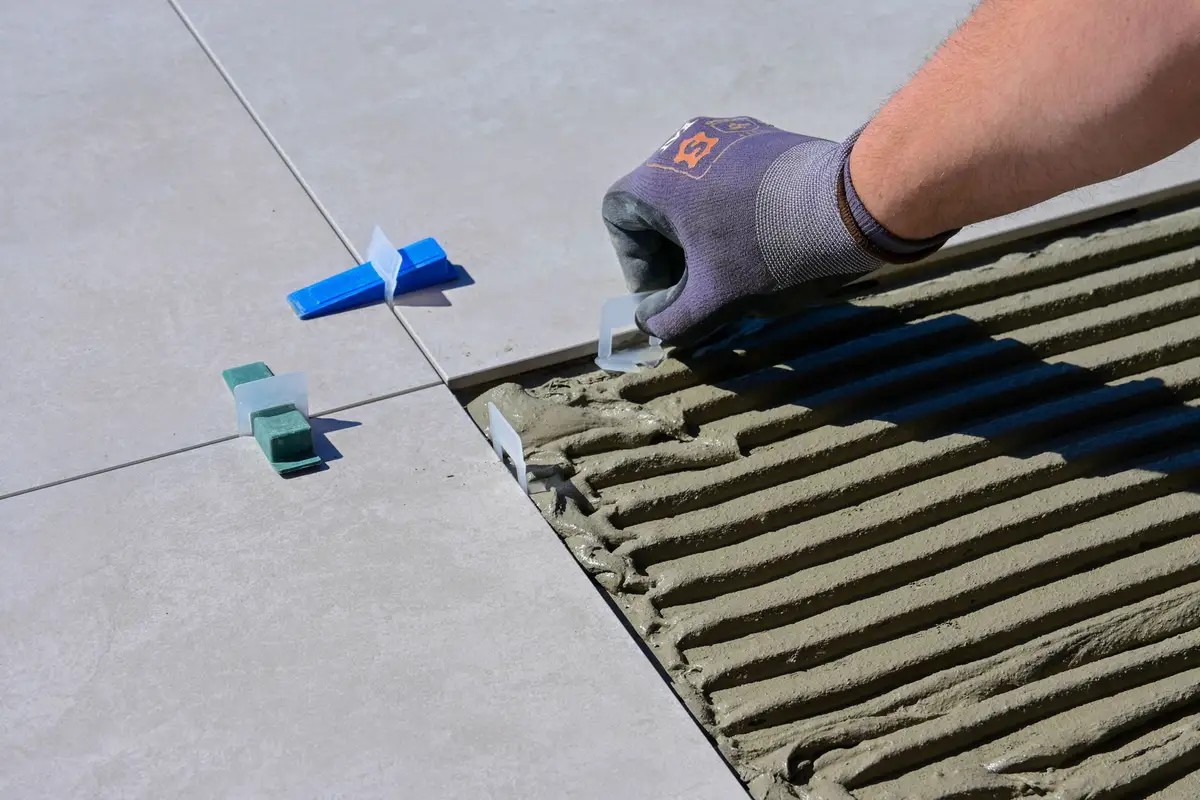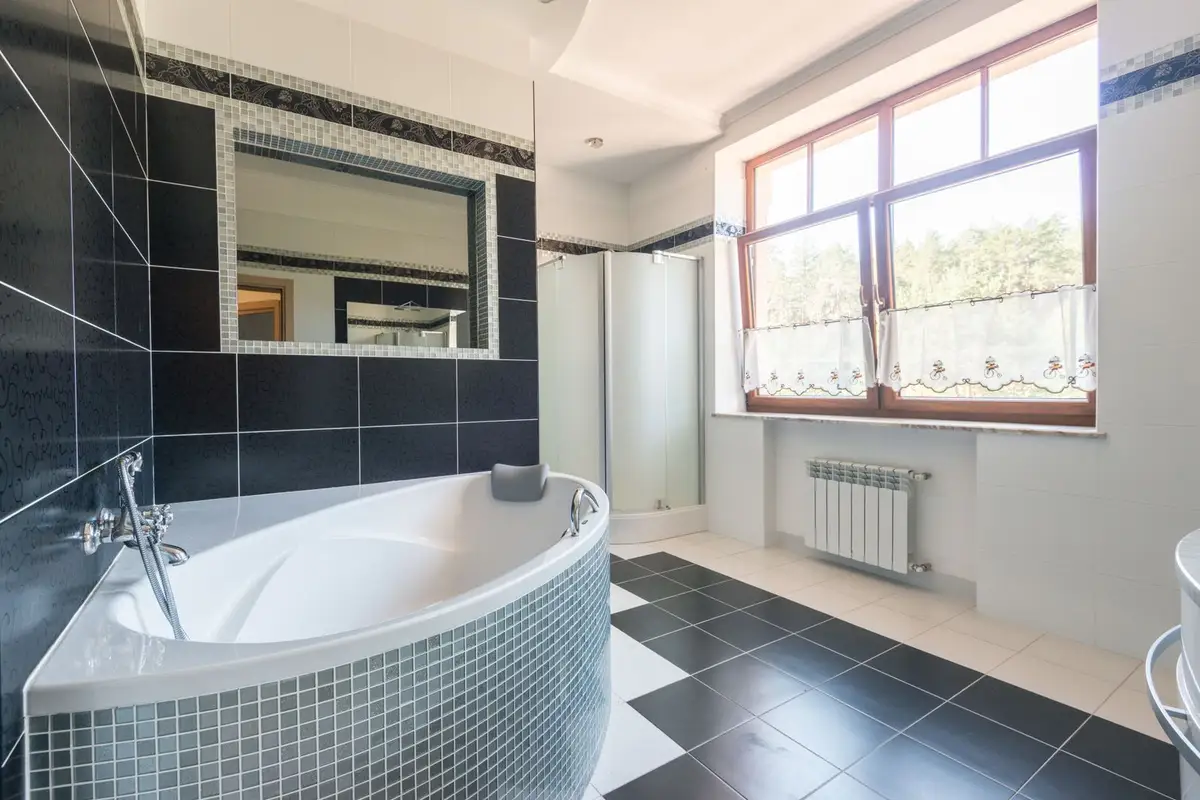
Vitrified, ceramic, cement or terrazzo: a floor for each room
Four floor materials, compared room by room for a Jaipur home: how each wears, feels underfoot, costs and ages.
Trade prices for architects and contractors · Samples delivered free within Jaipur
B-14, Sardar Patel Marg, C-Scheme, Jaipur 302001
Mon–Sat · 10 am – 7.30 pm
A simple method, and why we add wastage.
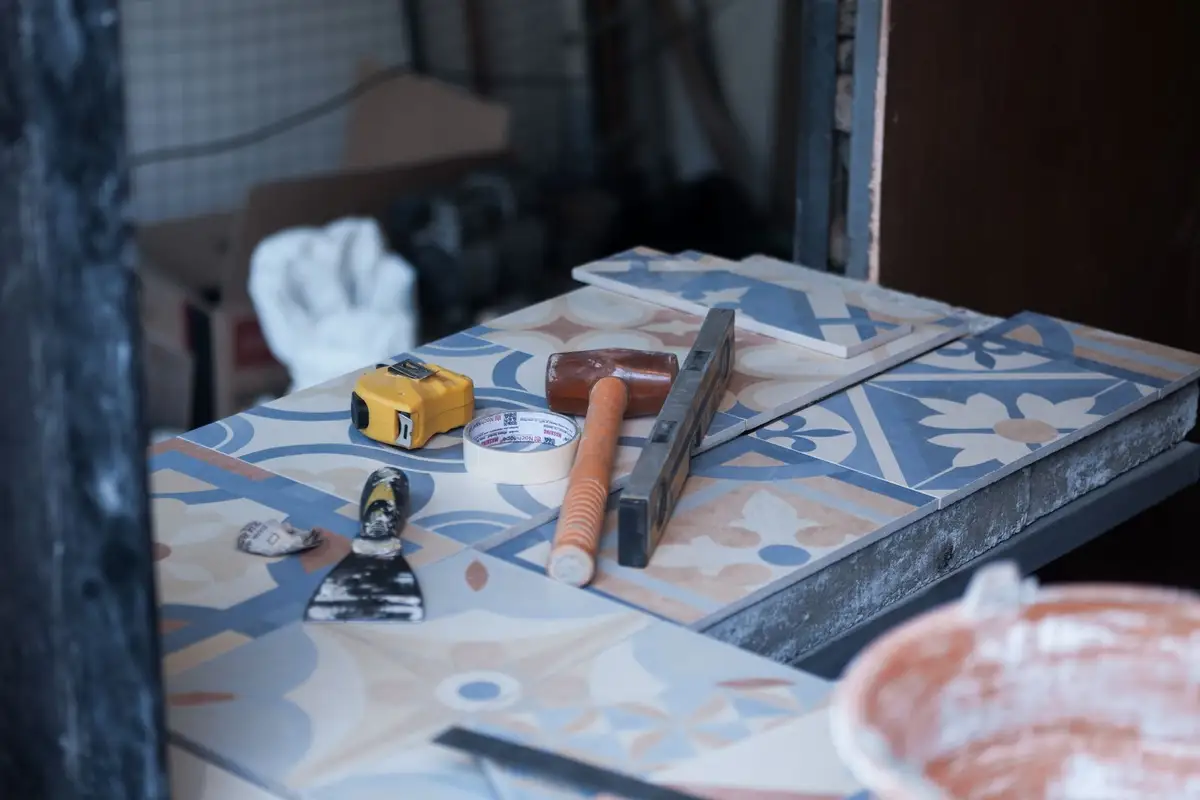
Ordering the right quantity of tiles saves money and stress. Run short in the middle of a job and the next batch may differ slightly in shade. Order far too many and the extra boxes sit in your parking for years.
Start by measuring each room in feet or metres and calculating the area: length times width. For walls, measure the height to which you are tiling and multiply by the length of each wall, then subtract doors and windows.
Next, add wastage for cuts. For a straight layout, add 8 per cent. For a diagonal or herringbone layout, add 12 to 15 per cent, because many more tiles are cut at the edges. For patterned cement tiles where the design must line up, add 10 per cent.
Divide the total by the area covered by one box, which is printed on the box, and round up. Keep two or three spare tiles from the same batch after the job, labelled and stored, in case one ever cracks. If this sounds like too much arithmetic, send us your plan and our design desk will do it for you.
Keep reading
Four floor materials, compared room by room for a Jaipur home: how each wears, feels underfoot, costs and ages.
No printing, no kiln. A visit to the workshop where our cement tiles are made, and why each one takes nearly a month.
Heat, dust and rain all affect how tiles are laid and how well they set. When to start, what to avoid and how to plan.