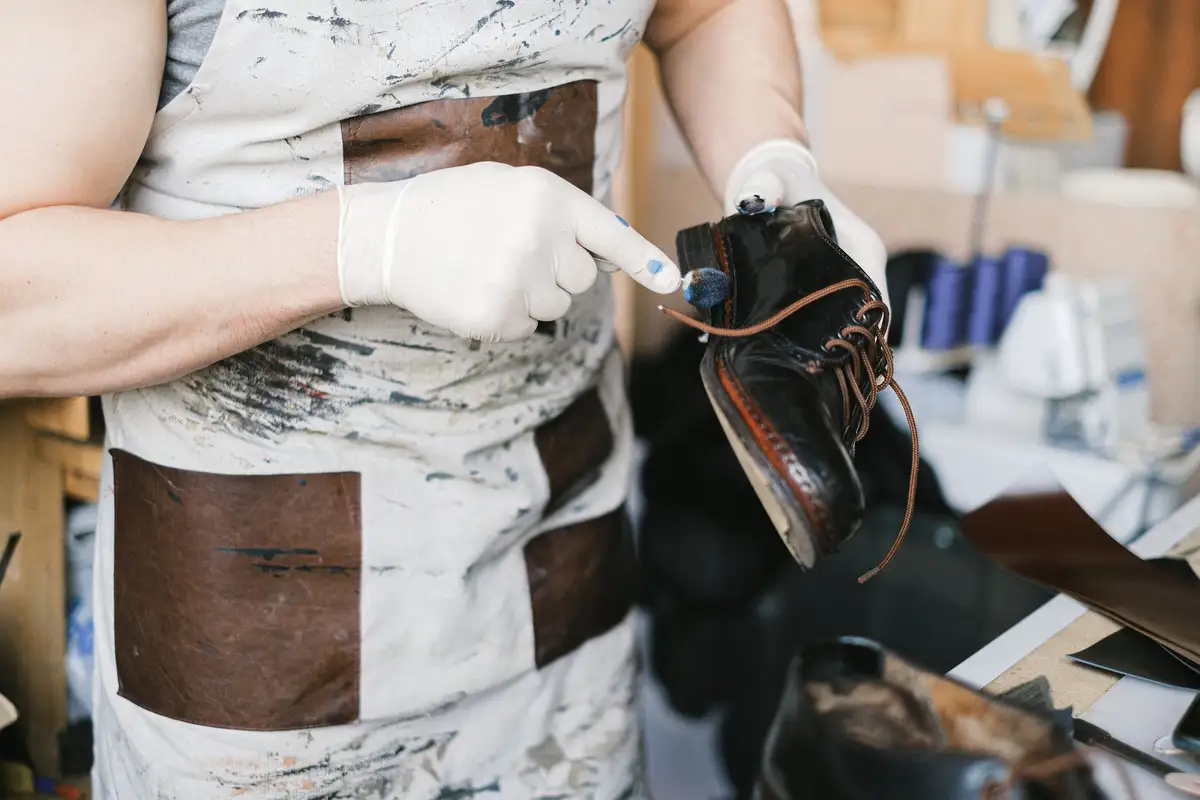
Breaking in leather riding boots
Two weeks of short rides, a little dubbin and patience: how to make new boots comfortable.
Free helmet and jacket fitting at the store · Shipped across India in 3–6 days
SCO 41, Sector 17-C, Chandigarh 160017
Tue–Sun · 11 am – 8 pm · Mondays closed
Weather, weight and repairs: how the two compare on a north Indian riding year.
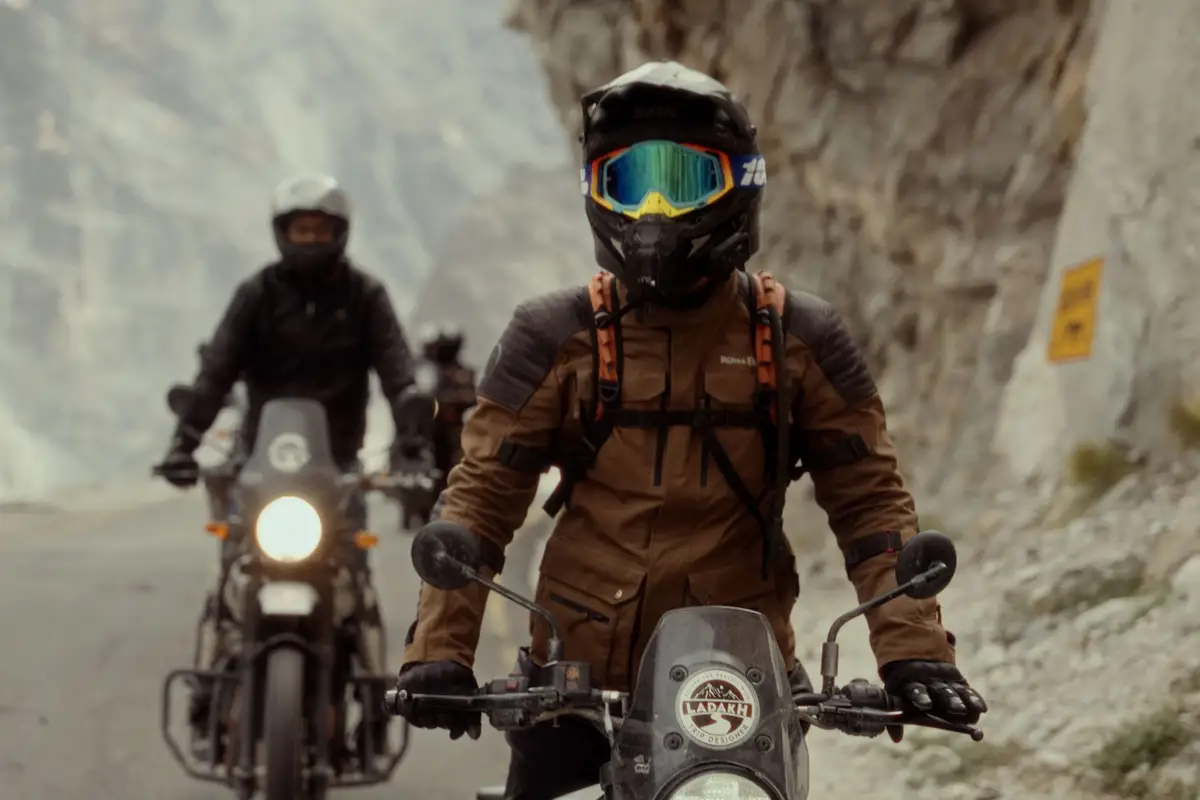
The first question riders ask at our counter is whether to buy a textile or a leather jacket. Both protect well when they are made well. The answer depends on where and when you ride.
Leather is tough against abrasion and lasts for years if it is cared for. It feels solid and quiet at speed. But it is heavy, hot in a Punjab summer and not waterproof, so you need a rain shell over it in the monsoon and on the passes. It also takes a month to break in.
Textile jackets are lighter and more adaptable. A good three-layer textile jacket handles 40°C in Ambala with the vents open and the liners out, and zero degrees on Baralacha La with both liners in. They dry faster after rain and are easier to repair on the road. The trade-off is that they wear out sooner, often after five or six seasons of heavy use.
For most riders who tour in the hills, we suggest textile first. If you mainly ride on highways and in the city in the cooler months, leather is a fine choice. Whatever you pick, check three things: armour at the shoulders and elbows, a pocket for a back protector, and sleeves long enough to stay over your gloves when you reach for the bars.
Keep reading
Two weeks of short rides, a little dubbin and patience: how to make new boots comfortable.
Torn straps, broken zips and cracked visors: what fails on the road, and what we change because of it.
Morni, Kasauli and Chail: short loops from the city for testing new gear before a long trip.