The September check-up after the monsoon
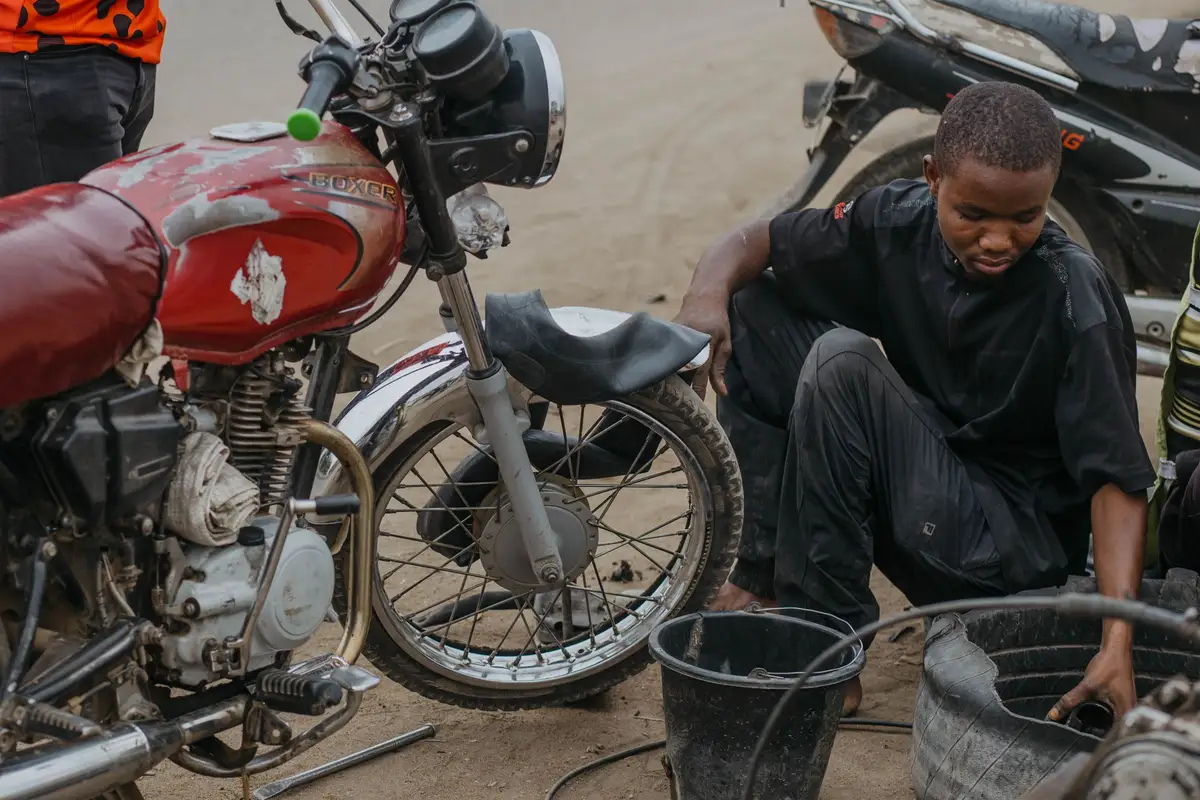
Rust, damp wiring and worn brakes: what three months of Kozhikode rain leaves behind, and what we look at once it ends.
Pickup and drop within 8 km of Kallai · Every bike road tested before handover
18/442 Kallai Road, Kallai, Kozhikode 673003
Mon–Sat · 8.30 am – 7 pm · Sun closed
What the three types of engine oil actually are, what your manual asks for, and when paying more makes sense.
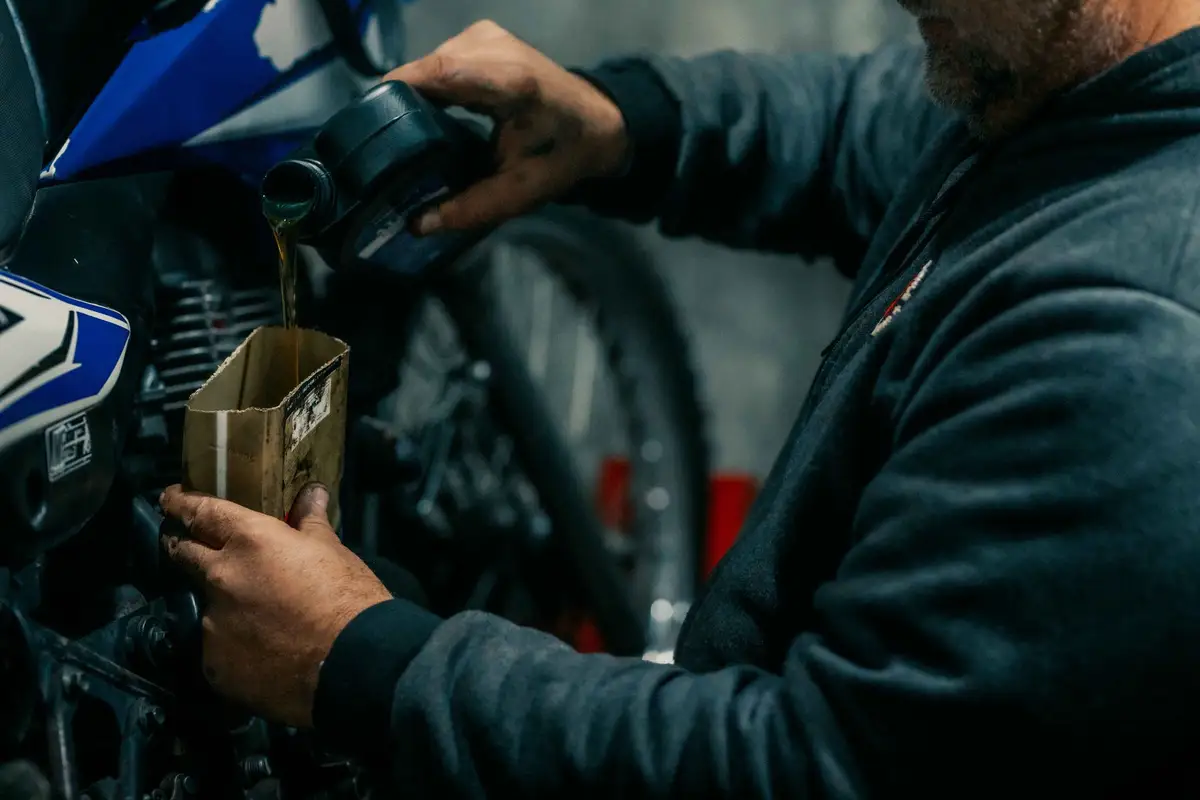
Every time we change engine oil, the customer is asked which oil they want, and many are not sure. The labels look similar and the prices vary from about ₹350 to over ₹1,200 a litre. Here is a plain guide to the choice.
Mineral oil is refined directly from crude oil. It does the job well in most commuter bikes, especially those that run gently in town and are serviced on time, every 2,000 to 3,000 km. It is the cheapest, and it is what many manufacturers fill at the factory for bikes up to 160 cc.
Fully synthetic oil is made from chemically engineered base oils. Its molecules are more uniform, so it resists breaking down under heat for longer and flows well when the engine is cold. It suits bikes that run hot, such as 350s on long rides, bikes that are pushed hard, and engines whose manual specifically asks for it. It often allows a longer interval between changes, but only if your manual agrees.
Semi-synthetic sits between the two, a blend of mineral and synthetic base oils. It is a sensible upgrade for commuters who ride long distances daily in heavy traffic, or who ride up the ghats often. The most important thing is not the type but the grade and specification printed in your manual, such as 10W-30 or 15W-50, and the wet-clutch specification that motorcycle oils carry. Never use car oil in a bike with a wet clutch. We will always show you the manual’s requirement and the price of each option before pouring anything.
Keep reading
Rust, damp wiring and worn brakes: what three months of Kozhikode rain leaves behind, and what we look at once it ends.
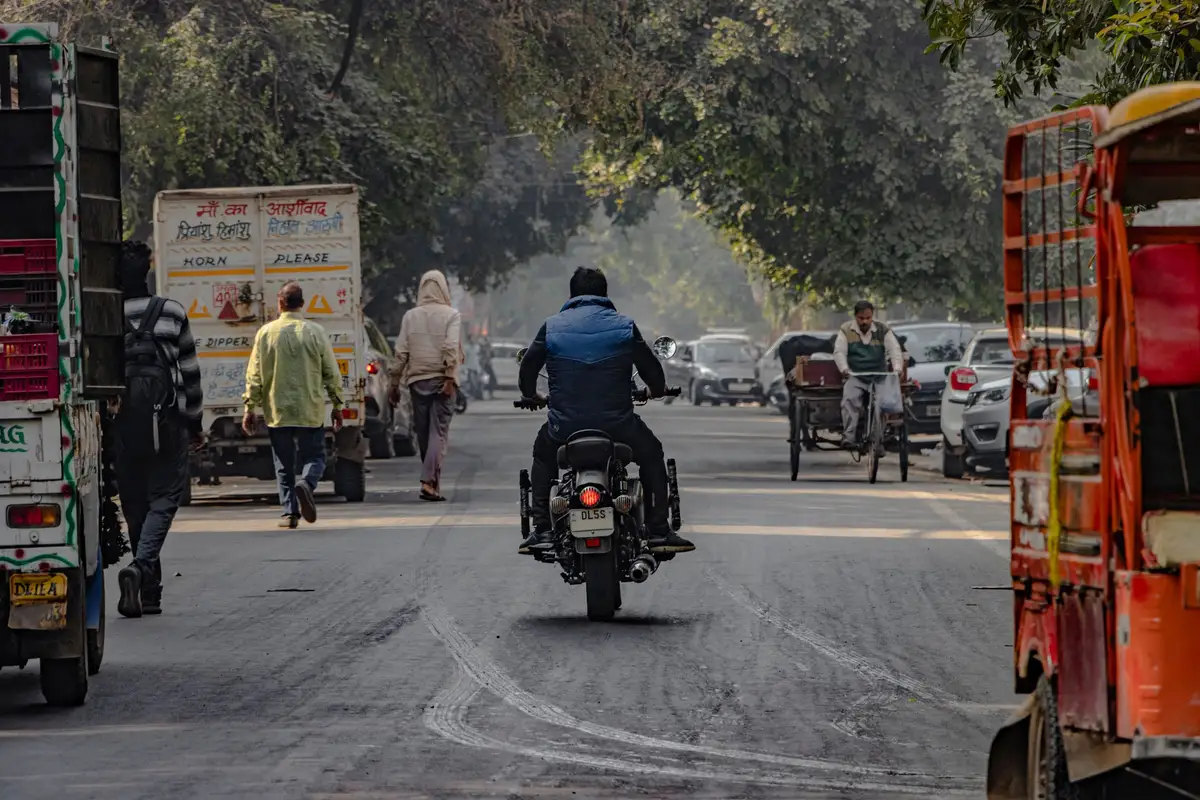
Why every bike goes round the same loop past the Kallai bridge before handover, and what our mechanics notice on the way.
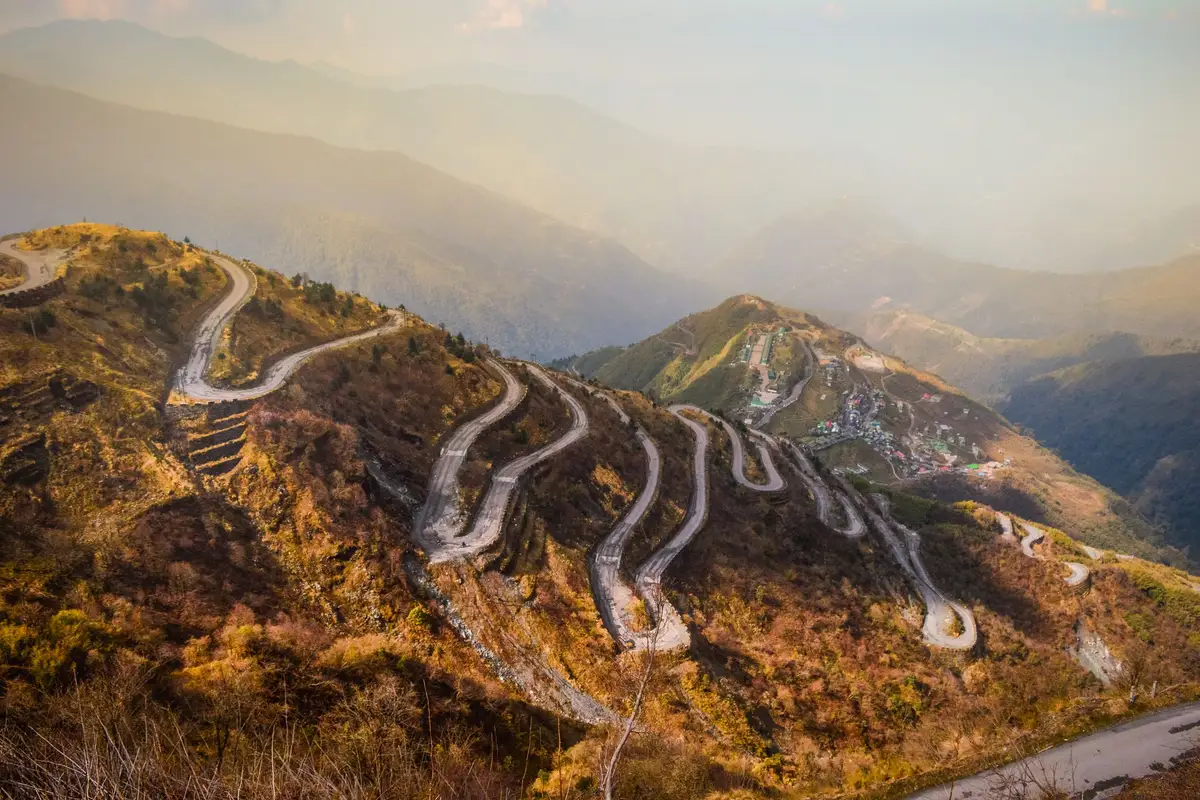
Nine hairpin bends, a 700 m climb and heavy lorry traffic: how to prepare your bike and plan the ride from Kozhikode.